
Companion Plants
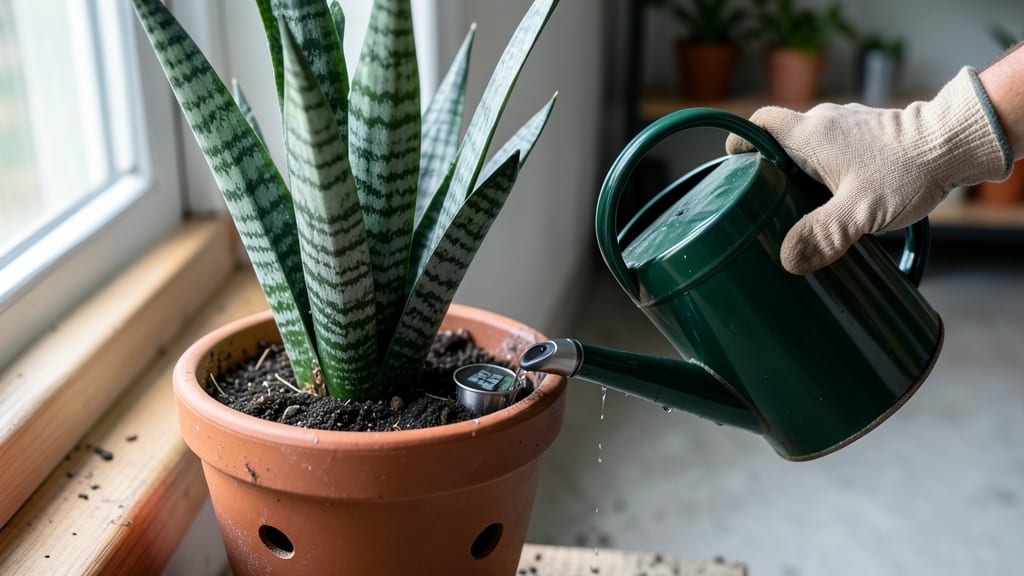
How much of a plant is water? Most plants contain between 75% and 95% water by weight, with younger, actively growing plants holding the highest moisture levels while mature plants maintain slightly lower but still critical hydration for core biological functions.
This water content isn't just about hydration—it's the foundation of a plant's structure and function. 💧 The water in plant cells creates turgor pressure, which keeps stems rigid and leaves upright, while vacuoles store nutrients and maintain cellular balance.
Younger plants need more water because they're growing rapidly, while mature plants conserve moisture more efficiently. For example, a leafy green like spinach can be 95% water, while a woody shrub might sit at 50-70%—though even that's essential for transporting sugars and nutrients throughout the plant.
Understanding this helps explain why wilting or yellowing often signals dehydration. Overwatering can be just as harmful as underwatering, as it disrupts oxygen flow to roots.
I've learned the hard way that soil moisture tests (like sticking your finger an inch deep) are more reliable than watering on a schedule—especially in container gardens where water evaporates faster. The key is matching your watering to the plant's natural needs and your local climate.
💡 In This Article
- Water Composition in Plant Cells and Tissues
- Optimizing Plant Water Content for Healthy Growth
Water composition in plant cells and tissues
At the cellular level, water isn't just filling space—it's actively shaping a plant's structure. Inside every plant cell, water creates turgor pressure by pushing against the rigid cell wall, which is why stems stay upright and leaves hold their shape.
This pressure can reach 5-10 atmospheres in healthy cells, comparable to the pressure in a car tire! The central vacuole, which can occupy up to 90% of a plant cell's volume, stores water and dissolved nutrients while maintaining this pressure through osmotic balance.
This water content varies dramatically between plant types. A succulent like a jade plant might only be 80-85% water by weight, with thick, water-storing tissues that reduce evaporation.
In contrast, a tropical plant such as a fern or lettuce can be 95% water, with delicate leaves that require constant hydration to prevent wilting.
Even woody plants like oak trees contain 30-50% water in their living tissues, though the xylem (water transport system) can carry water equal to 50% of the tree's total weight during active growth seasons.
The water's role in photosynthesis is equally critical. During this process, plants split water molecules to release oxygen and provide electrons for energy production—a reaction that powers 90% of a plant's metabolic needs.
Without adequate water, photosynthesis slows dramatically, causing leaves to yellow (a condition called chlorosis) as chlorophyll breaks down. This is why wilted plants often recover within hours of proper watering—their cells quickly rehydrate and restore turgor pressure.
Water also acts as the plant's circulatory system. Through a process called capillary action, water rises from roots to leaves against gravity, often traveling 10-20 feet in tall trees. This movement carries dissolved minerals and sugars throughout the plant, supporting everything from flower development to seed production.
When water levels drop, this transport system slows, leading to stunted growth or even death in severe cases.
Consider how different plants adapt to water availability. Desert cacti have evolved to store water in their thick stems, sometimes holding up to 80% of their weight in water after a rare rain.
Meanwhile, aquatic plants like water lilies maintain near 98% water content in their leaves, which float effortlessly on the surface. These adaptations show how deeply water content is tied to a plant's survival strategy in its environment.
The balance of water within a plant isn't static—it fluctuates daily with temperature, humidity, and light levels. During the day, plants lose water through transpiration (evaporation from leaves), which can account for 90% of their water intake on sunny days.
At night, when stomata (leaf pores) close, water loss slows dramatically. This diurnal cycle explains why many plants wilt slightly during the day and recover overnight—a natural rhythm that highlights water's dynamic role in plant physiology.