
How To
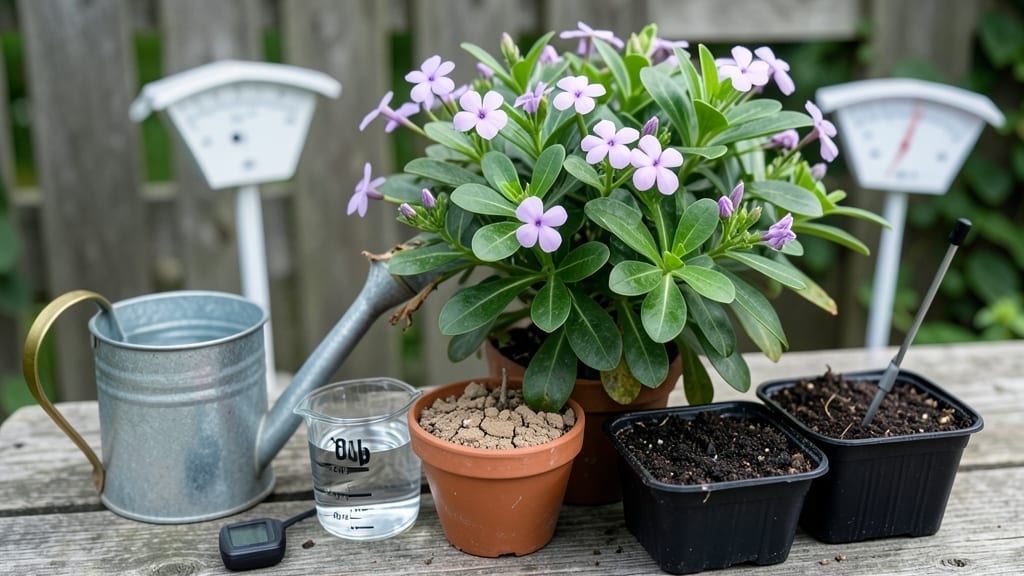
Vincas need about 1 inch of water per week to stay vibrant and healthy, though they can handle drier spells once established 🌸—but get it wrong, and you risk soggy roots or crispy leaves.
Picture this: your vincas were thriving, their deep purple blooms drawing every eye in the garden, until suddenly the edges turned brown. That’s usually a sign you’re either drowning them or letting them dry out too fast. The key is balance, and it’s easier than you think.
These tough perennials are built for resilience, but they still need consistent moisture—especially in summer heat or when grown in containers. The good news? Once you nail the routine, vincas reward you with months of low-maintenance color with almost no effort.
In this guide, I’ll break down exactly how much to water, when to adjust for your climate, and how to spot the subtle signs before over- or under-watering turns your vincas into a sad, wilted mess.


Vinca watering schedule: how often to water for healthy growth
Vinca plants thrive with consistent moisture but despise soggy roots, making watering a delicate balance. These drought-tolerant beauties store water in their thick stems, but they still need regular hydration—especially during hot summer months.
The key is understanding their seasonal needs and adjusting based on your soil type and planting method.
For container-grown vincas, watering frequency increases because pots dry out faster than in-ground soil. Meanwhile, vincas planted in clay-heavy soil retain moisture longer than those in sandy soil. Let’s break down the science-backed schedule to keep your vincas blooming beautifully without risking root rot or drought stress.
| Season | In-Ground (Clay Soil) | In-Ground (Sandy Soil) | Containers (5-gallon) | Signs of Stress |
|---|---|---|---|---|
| Spring | Every 7-10 days | Every 5-7 days | Every 4-5 days | Wilting leaves, dry soil 1" deep |
| Summer | Every 5-7 days | Every 3-5 days | Every 2-3 days | Crispy leaf edges, drooping stems |
| Fall | Every 10-14 days | Every 7-10 days | Every 5-7 days | Yellowing leaves, slow growth |
| Winter | Every 3-4 weeks | Every 2-3 weeks | Every 2 weeks | Mushy stems, fungal spots |
In spring, vincas wake up from dormancy and need steady moisture to encourage new growth. Water deeply to reach 6 inches down—this helps roots establish before summer heat arrives. Use your finger to check soil moisture; if the top 1-2 inches feel dry, it’s time to water.
During summer, vincas enter their peak blooming season but also face higher evaporation rates. Increase watering frequency, especially in containers, which dry out faster.
Early morning watering is ideal—it reduces fungal risks and ensures roots absorb moisture before the sun peaks. Avoid evening watering, as damp foliage invites pests.
As temperatures drop in fall, vincas slow down and need less water. Reduce frequency to every 10-14 days for in-ground plants and monitor containers closely. Overwatering in cool weather can lead to root rot, so always check soil moisture before watering.
Winter care is minimal, but don’t skip hydration entirely. Vincas in containers are most vulnerable to drying out, so water every 2 weeks if indoor temperatures stay above freezing. For in-ground plants, a monthly check ensures roots stay hydrated without excess moisture.
Soil type plays a huge role in watering needs. Clay soil holds moisture longer, while sandy soil drains quickly. Amend heavy clay with compost to improve drainage, and add organic matter to sandy soil to retain moisture.
Mulching around vincas helps regulate soil temperature and reduces evaporation, cutting water needs by up to 30%.
If you’re unsure whether your vincas need water, perform the finger test: stick your finger 1-2 inches into the soil. If it feels dry, water thoroughly until moisture seeps out the drainage holes (for containers) or the top 6 inches of soil are damp.
Consistency is key—vincas prefer even moisture over sporadic deep waterings.
Pro tip: Group vincas together in your garden to create a microclimate that retains moisture longer. This natural cluster reduces water loss and makes maintenance easier. Pair them with drought-tolerant companions like sedum or lavender for a low-water garden bed.
With this schedule, your vincas will reward you with vibrant blooms all season long—no guesswork required! 🌸💧☀️
Signs your vincas are overwatered or underwatered (and how to fix it)
Vinca plants thrive on consistency, but their leaves tell a clear story when watering goes wrong. Yellowing leaves or mushy stems scream overwatering, while crispy edges or drooping foliage signal underwatering.
Since vincas are drought-tolerant, most problems stem from overzealous watering—especially in containers where roots suffocate. Let’s decode these signs so you can rescue your vincas before it’s too late.
Start by checking the soil 2 inches below the surface. If it’s soggy, your vincas are drowning. If it’s bone-dry, they’re thirsty. Vincas prefer well-draining soil and hate soggy roots, which can lead to root rot within days.
In humid climates, reduce watering by 30% to 50% to prevent fungal issues. The key is balance—vincas need moisture but despise wet feet.
💧 Overwatering vs. Underwatering: Quick Fixes
❌ Overwatering
- Yellow leaves (especially lower ones)
- Mushy stems or blackened roots
- Slow growth despite frequent watering
- Foul odor from soil (root rot)
✅ Underwatering
- Crispy, brown leaf edges
- Wilting stems that don’t bounce back
- Dry, brittle soil clinging to roots
- Leaf drop in extreme cases
For container-grown vincas, adjust your watering based on pot size. Smaller pots dry out faster, while large containers stay moist longer. In hot, dry climates, vincas may need watering every 5–7 days, but in cooler months, bi-weekly watering suffices.
Always water at the base of the plant to avoid wetting leaves, which can attract pests or fungal diseases.
If your vincas show signs of root rot, act fast. Gently remove the plant from its pot, trim any blackened roots with sterilized scissors, and repot in fresh, sandy soil mix.
Hold off on watering for 3–5 days to let the roots recover. This drastic step saves many vincas that would otherwise perish from overwatering.
In humid regions, reduce watering frequency by 25–30% to mimic their natural drought-resistant habits. Vincas native to Mediterranean climates thrive with infrequent, deep watering rather than light, frequent sprinkles.
Use your finger to test soil moisture—if the top 1–2 inches are dry, it’s time to water. If it’s still damp, wait another day.
Pro tip: Group vincas with succulents or lavender to create a drought-tolerant zone. These plants share similar water needs, so you’ll water the entire area consistently without overdoing it. With the right balance, your vincas will reward you with vibrant blooms all season long. 🌸