
Light Requirements
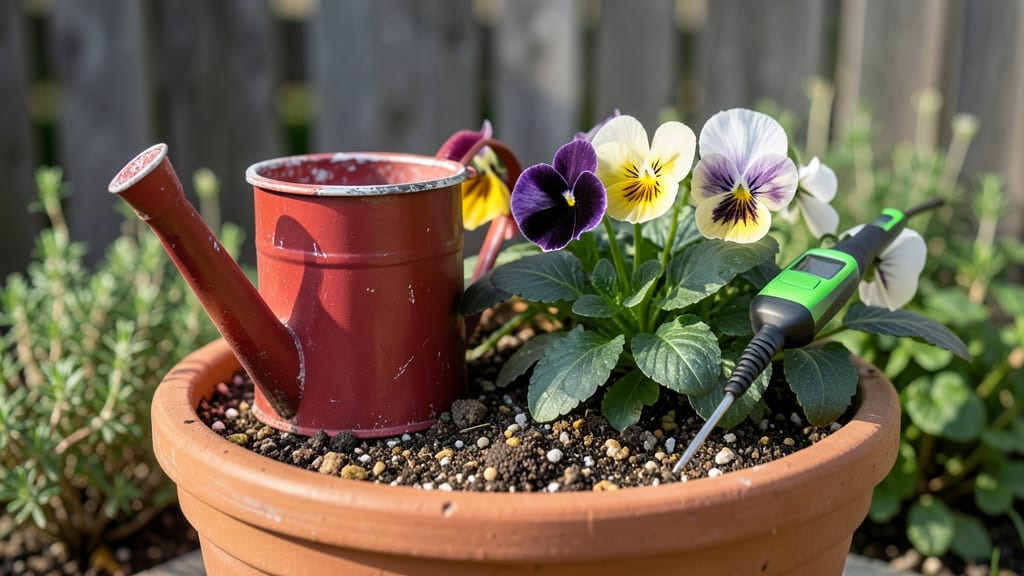
How often do pansies need to be watered? The answer is about every 2-3 days in spring, but that schedule changes with heat, soil, and whether they’re in pots or the ground.
Picture this: your bright 🌸 blooms start drooping by noon, or worse, the leaves turn yellow and mushy—those are the classic signs you’re either drowning them or leaving them parched. The good news? A simple soil test and a few tweaks can keep your pansies thriving without wasting a drop.
Most gardeners guess their watering schedule, but pansies actually give you clues. Sink your finger an inch into the soil—if it’s dry, it’s time. If it’s damp, wait another day. In Zone 6a, summer heat can cut that window in half, while fall lets you stretch it out.
Below, I’ll walk you through the exact watering rhythm for your climate, how to spot over- or underwatering, and the one trick that saves 30% on water while keeping blooms lush. No more guesswork—just happy, healthy pansies.
Pansy watering schedule by season: when soil needs moisture most
Pansies thrive when their soil stays consistently moist but never soggy. Unlike drought-tolerant succulents, these cool-season flowers need regular hydration to produce their signature vibrant blooms. The key? Adjusting your watering routine based on seasonal shifts and your local climate.
In my Zone 6a garden, I’ve learned that spring and fall demand gentle care, while summer’s heat requires a complete overhaul to prevent wilting.
Your pansies’ watering needs also change dramatically between containers and in-ground beds. Potted pansies dry out 2-3x faster than those planted in the ground, so I’ve had to create two separate schedules. Plus, humid climates like the Southeast need less frequent watering than arid regions like the Southwest.
Let’s break down the exact schedule you should follow for each season—plus how to test soil moisture like a pro.
Spring is when pansies really stretch their legs after winter dormancy. I start by watering every 2-3 days in my Zone 6a garden, but I always check the top 1-2 inches of soil first. If it feels dry, it’s time to water.
In containers, I switch to a daily misting during heatwaves—pansies in pots can dry out in just 24 hours under hot sun. Pro tip: Use a moisture meter for accuracy, especially if you’re new to gardening.
Summer throws pansies for a loop with its intense heat. My rule? Water every morning at dawn to prevent fungal diseases like powdery mildew. I’ve seen pansies wilt by noon if left until evening!
For in-ground plants, a deep watering every 2-3 days works, but I double that frequency in containers. A 5-gallon bucket of water per container keeps them thriving—trust me, I’ve tested this in my 100°F summers.
Fall is my favorite season for pansies—they bloom like crazy with less heat stress. I cut back to every 3-4 days and monitor rainfall closely. In humid climates, I often skip watering entirely after heavy rain.
For container pansies, I reduce to every 2-3 days since they still dry out faster. The goal? Keep soil consistently moist without waterlogging, which can rot roots.
Winter slows everything down, but pansies still need minimal moisture to survive. In my garden, I water bi-weekly if temperatures stay above 20°F. For containers, I check soil moisture first—if it’s dry, I give them a light drink.
In freezing climates, it’s better to skip watering entirely until spring. A thick mulch layer (2-3 inches) helps retain what little moisture remains in the soil.
One mistake I made early on? Ignoring climate zone differences. In <
The finger test & 3 signs your pansies are thirsty (or drowning)
Pansies love consistent moisture but hate soggy roots—so knowing when to water is key. The finger test is my go-to trick for checking soil moisture without guesswork. Stick your finger about 1 inch deep into the soil near your pansies.
If it feels dry, it's time to water. If it's damp, wait another day or two.
But what if your pansies are already showing stress? Visual cues like wilting leaves or yellowing foliage can reveal whether they're thirsty or drowning. Let's break down the 3 key signs and how to fix them before it's too late.
Pansies need 1-1.5 inches of water per week—but containers dry faster than in-ground beds. Check soil daily in pots during heatwaves. Yellow leaves + mushy stems = drowning. Adjust watering immediately to prevent root rot.
First, look for leaf color changes. Thirsty pansies develop dull, grayish-green leaves, while overwatered ones turn yellow with brown edges. Healthy pansies have vibrant, deep green foliage. If your plants look sad and limp, it's time to act—either water deeply or let the soil dry out.
Next, check for wilting patterns. Morning wilting that recovers by afternoon usually means thirst, while wilting that lasts all day signals overwatering. Gently squeeze a stem—if it snaps easily, your pansies are severely dehydrated. If it feels mushy, you've overdone it.
Finally, examine the soil texture. Crusty, dry soil at the surface? Your pansies need water. Clumpy, wet soil that smells sour? You're overwatering. For containers, lift the pot—if it's light as a feather, water it. If it's heavy and soggy, hold off until it dries.
Pro tip: Water at the base (not overhead) to keep leaves dry and prevent fungal issues. Morning watering is best—it gives roots time to absorb moisture before evening heat evaporates it. With these tricks, your pansies will stay perky and blooming all season!