
How To
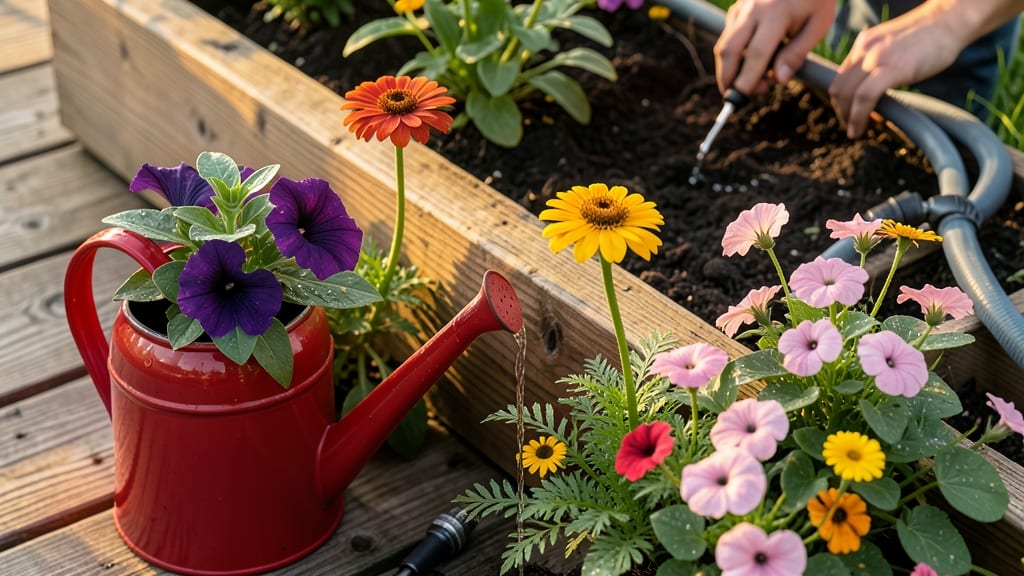
Watering annuals too often is the silent killer of vibrant gardens—yet most of us wing it, drowning plants or leaving them parched.
Here’s the truth: Overwatering kills more annuals than drought, and guesswork wastes both water and your time. The key? Learning to read your soil like a pro so you water when your plants truly need it—not on a rigid schedule.
In this guide, I’ll walk you through the 5-minute soil test that replaces guesswork with science. You’ll discover how climate, soil type, and even the plant itself change your watering routine, plus how to adjust for containers, heatwaves, and rain delays.
By the end, you’ll know exactly when to water—without killing your marigolds, wilting your basil, or drowning your zinnias. Let’s fix this once and for all.
The 5-Minute soil test: how to check moisture like a pro
Annuals like marigolds and basil thrive on consistency, but guessing when to water leads to either soggy roots or thirsty plants. Instead of relying on schedules, I check the soil itself—it’s the most accurate way to know if your annuals need a drink.
The key is combining visual cues, tactile tests, and understanding how your soil type behaves. Sandy soil drains fast, while clay holds moisture longer, so one-size-fits-all watering fails every time.
Start by observing the surface color of your soil. Dark, damp earth means your annuals are hydrated, while a light, dry crust signals it’s time to water. But don’t stop there—dig deeper. The top inch might look dry, but moisture could linger just below.
That’s where the finger test comes in, and it’s faster than you think. Grab a small trowel or your fingers and check the moisture level at different depths for a full picture.
Here’s my 5-minute routine to test soil moisture like a pro, tailored to both sandy and clay soils. It’s simple, tactile, and saves water while keeping your annuals perky.
Your 5-Minute Soil Test
-
Step 1: Visual Check
Look at the top 1-2 inches of soil. If it’s dry and crumbly, proceed. If it’s dark and moist, skip to Step 4. -
Step 2: Finger Test (Sandy Soil)
Stick your index finger 1-2 inches deep. Sandy soil feels dry at the surface but may still hold moisture 1-3 inches down. Water only if it feels completely dry at 2 inches. -
Step 3: Finger Test (Clay Soil)
Press your finger 1 inch deep. Clay stays moist longer, so if it’s slightly damp, wait. Water only if it’s bone-dry at 1 inch—clay can suffocate roots if overwatered. -
Step 4: Weight Test
Lift a small handful of soil. If it feels light and airy, water immediately. If it’s heavy and compact, it’s still moist—hold off for another day. -
Step 5: Adjust for Containers
Potted annuals dry out faster than in-ground plants. Check the weight of the pot: if it’s light, water thoroughly. If it’s heavy, skip watering. -
Step 6: Time of Day Matters
Test soil in the morning (after evening dew evaporates) for the most accurate reading. Avoid checking after rain or irrigation—wait 4-6 hours.
Pro Tip: Keep a small notebook by your garden to track when you watered and how the soil felt. Patterns emerge fast!
For sandy soil, which drains like a sieve, I water more frequently but in shorter bursts. My zinnias and cosmos love this because their roots need constant access to moisture. In contrast, clay soil holds onto water like a sponge, so I let it dry out more between waterings.
My petunias and geraniums in clay pots often go 3-4 days without a drink, while their sandy-soil cousins need water every 2 days.
Don’t ignore the plant’s appearance either. Drooping leaves usually mean thirst, but sometimes they signal overwatering. Press a leaf gently—if it springs back, it’s dry. If it stays folded, you might be drowning the roots.
And watch for yellowing leaves, which can mean either too much or too little water. Context matters!
Seasonal shifts change everything. In summer’s heat, I check soil moisture twice a day—once in the morning and once in the late afternoon. But in spring or fall, a single morning test suffices.
Rainfall is another wild card: after a downpour, I wait 24 hours before testing again. My basil hates soggy feet, so I always give it a quick soil check after storms.
Container gardening adds another layer. Pots dry out 30-50% faster than in-ground beds, so I water my herbs in pots every morning, regardless of soil tests. But for heavy clay pots, I let the top inch dry out completely before watering again.
The key is balancing the pot’s material—terracotta dries faster than plastic—with the plant’s needs.
Over time, you’ll develop a sixth sense for your garden’s moisture needs. But until then, stick to the 5-minute test and adjust based on your soil type, season, and the plants you’re growing. Your annuals will thank you with vibrant blooms and bountiful harvests all season long.
Watering schedules by plant type: annuals that hate overcare
Not all annuals play by the same watering rules. Some, like tomatoes and basil, demand frequent hydration to thrive, while others, such as marigolds and zinnias, will sulk in soggy soil. Understanding these differences saves water and keeps your garden lush without the guesswork.
Your watering routine should adapt to both plant needs and weather conditions. A sweltering summer day means more frequent watering, while cool spring mornings may require just a light drink. Below, we break down the ideal schedules for your most common annuals.
🌱
For container-grown annuals, water more frequently since pots dry out faster. Check soil moisture daily in summer—stick your finger 1-2 inches deep. If it feels dry, it’s time to water.
Rainfall changes everything. After a heavy downpour, skip watering for 2-3 days. Use a rain gauge to track accumulation and adjust your schedule accordingly. A general rule: 1 inch of rain replaces about 1 week of watering for most annuals.
💧
Temperature also shifts your routine. In cooler months, reduce watering to every 3-4 days for most annuals. Conversely, during heatwaves, increase frequency and water deeply to encourage root growth. Mulch helps retain moisture—apply 2-3 inches around plants to reduce evaporation.
Pro tip: Group plants with similar water needs together. This zonal watering method saves time and ensures no plant gets neglected. Observe your garden daily—yellowing leaves or wilting stems are signs to adjust your schedule immediately.