
How To
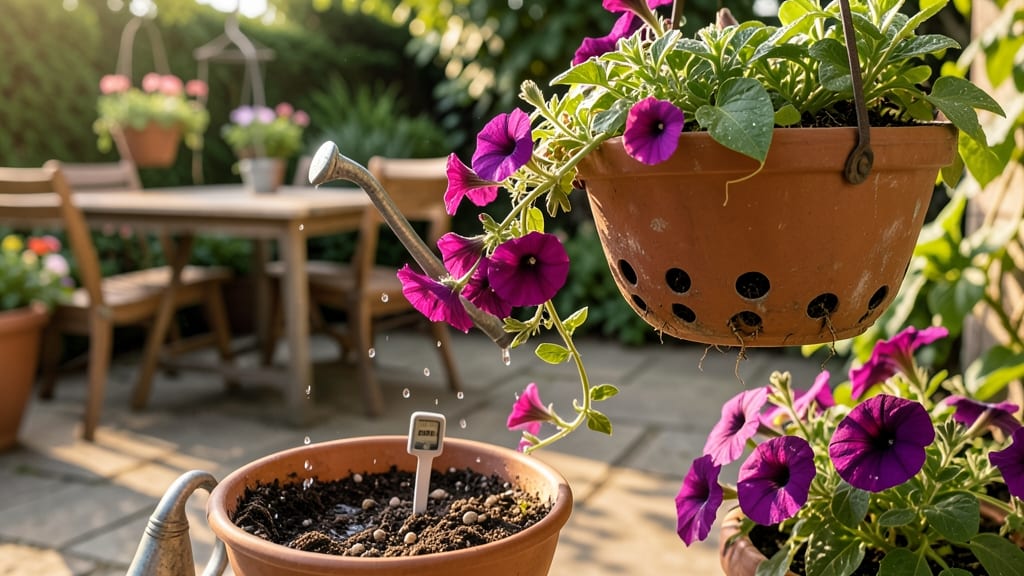
To water hanging baskets properly, check soil moisture every 1-2 days—daily in summer heat or when plants show wilting 🌿.
Struggling to keep your hanging baskets lush and vibrant? Overwatering or underwatering can turn your garden into a plant graveyard—here’s the science-backed method to master the perfect watering schedule.
Hanging baskets dry out faster than ground-level pots because their roots hang exposed to air and heat. That means traditional "once a week" advice fails spectacularly—your plants need a smarter approach, like the 3-zone touch test I’ll show you next.
You’ll learn how to adjust for plant types (succulents vs. ferns), seasonal shifts, and even humidity—without drowning roots or letting baskets turn crispy. Let’s fix that guesswork for good.
The 3-Zone touch test: how to check moisture levels in hanging baskets
Hanging baskets dry out 3-5 times faster than in-ground plants because their soil is exposed to wind and sun. Guessing when to water can lead to wilting or worse—root rot.
My foolproof 3-Zone Touch Test reveals the real moisture levels without a moisture meter. Start by testing three soil depths to understand your basket's hydration needs.
Why this method works: Hanging baskets have uneven moisture distribution. The top layer may feel dry while roots stay damp. By checking surface, mid-layer, and root zone, you avoid overwatering or underwatering. This test takes just 30 seconds and requires no tools—just your fingers and a little practice.
| Zone | Depth | Touch Test | Action |
|---|---|---|---|
| Surface Zone | 0-0.5" | Dry to touch = water needed | Water if dry (evaporation layer) |
| Mid-Layer | 0.5"-1.5" | Damp but cool = check roots | Water if plant shows stress |
| Root Zone | 1.5"-3" | Moist and warm = healthy | Hold water if dry here |
💧 Pro Tip: Use a chopstick to poke holes for deeper checks in dense baskets.
Begin with the surface zone (0-0.5 inches). Stick your finger in and feel for dryness. If it's bone-dry, your basket needs water immediately. This top layer evaporates fastest, especially in full sun.
However, don't water just because the surface feels dry—this is the evaporation zone, not the root zone.
Next, test the mid-layer (0.5-1.5 inches). Press gently—if it feels damp but cool, your roots might still be okay. This layer gives clues about recent watering. If it's dry here, your basket needs a deep drink within 24 hours.
For thirsty plants like petunias or geraniums, this zone often signals it's time to water.
Finally, check the root zone (1.5-3 inches). This is where your plants' roots live, and it's the true indicator of moisture needs. If this layer feels moist and warm, your basket is hydrated.
If it's dry, water thoroughly until it drains from the bottom. For succulents or herbs, this zone might stay dry longer—adjust your schedule accordingly.
For morning watering, aim to water when the surface zone is dry but the root zone still feels slightly damp. This mimics natural rainfall patterns.
In summer heat, you might need to water twice daily—once in the morning and once in the evening—but always check the root zone first to avoid overwatering.
Adjust your watering based on plant type. Ferns and ivy love consistently moist root zones, while succulents and sedum prefer drier conditions. The 3-Zone Test helps you tailor watering to each plant's needs without guesswork. Keep a small notebook nearby to track what works best for your specific baskets.
Watch for visual cues that confirm your touch test results. Drooping leaves often mean the root zone is dry, while yellowing leaves can signal overwatering. Combine the touch test with these signs for accurate moisture assessment.
Over time, you'll develop an instinct for when your baskets need water based on the season and your location's climate.
Remember, hanging baskets are self-regulating once you master the 3-Zone Test. No more soggy soil or parched roots! With practice, this method becomes second nature, and your baskets will thrive year-round. Start today—grab a basket and give it a touch test before your next watering session.
Watering frequency by plant type: a seasonal guide for hanging baskets
Hanging baskets dry out 3x faster than ground-planted containers because they’re exposed to wind and sun from all sides. The key to thriving plants lies in matching your watering schedule to each variety’s needs—especially during summer heatwaves or winter dormancy.
Let’s break down the ideal frequency for your most popular hanging basket stars, from thirsty petunias to drought-tolerant succulents.
Seasonal shifts demand adjustments: spring and fall typically require midday watering, while summer may need morning and evening sessions. Humidity also plays a role—plants in arid climates need more frequent checks than those in coastal areas.
Below, we’ve mapped out the perfect schedule for each plant type, including pro tips to prevent root rot or wilting.
For petunias and other blooming annuals, the secret to vibrant flowers is consistent moisture—never let the soil dry completely. I’ve found that using a self-watering basket liner with a water reservoir saves time during summer heatwaves while preventing root rot.
These liners keep the bottom 2 inches of soil moist for up to 3 days, which is perfect for thyme or rosemary.
Adjust your schedule based on weather patterns: If temperatures hit 90°F+, increase watering to twice daily for sun-loving plants like geraniums. In winter, reduce frequency to once weekly and avoid watering if the basket feels frozen.
A simple trick I use is the "finger test": Stick your index finger 1 inch into the soil—if it’s dry, it’s time to water.
Don’t forget that humidity levels affect evaporation rates. Plants in dry climates (like Arizona) may need watering every morning, while coastal baskets might only require every other day.
Pay attention to your plants’ leaf color: Yellowing edges signal underwatering, while crispy leaves mean overwatering. With this seasonal guide, your hanging baskets will stay lush year-round—no guesswork required!