
How To
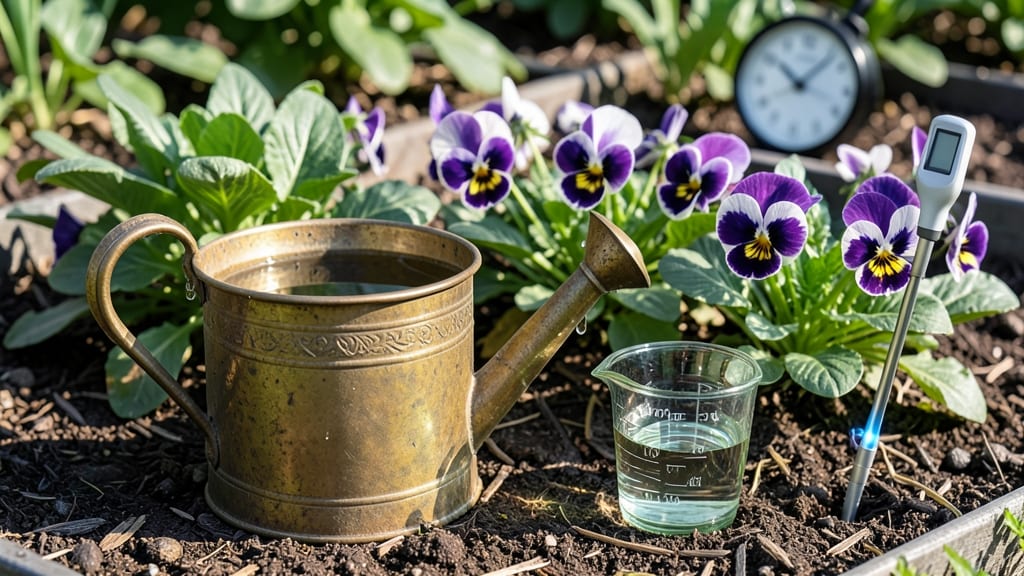
To water pansies correctly means keeping their soil evenly moist — not soggy, not bone-dry — which is the secret behind those bright, long-lasting blooms.
Pansies are the cheerful faces of spring gardens—but their vibrant blooms wilt fast when watered incorrectly. Mastering the right watering schedule can mean the difference between a showstopping display and sad, drooping flowers.
Most gardeners overthink it: too much water drowns the roots, while too little stunts growth. The key is checking soil moisture before you water—stick your finger an inch deep, and if it feels dry, it’s time.
Here’s how to adjust for season, soil, and even your local climate so your 🌸 pansies stay perky from spring through fall. We’ll cover everything from morning watering routines to signs your plants are thirsty (or drowning).
How often to water pansies by season: expert watering schedule
Pansies thrive when their watering routine matches the changing seasons. Too much or too little water can turn those cheerful blooms into droopy messes. Understanding seasonal water needs ensures your pansies stay vibrant from spring through fall—and even survive winter dormancy.
In spring, pansies focus on root establishment, while summer heat demands daily hydration. Fall brings cooler temps and prolonged blooming, while winter slows everything down. Let’s break down the perfect watering schedule for each season to keep your pansies happy year-round.
| Season | Watering Frequency | Depth per Watering | Key Factors | Soil Test |
|---|---|---|---|---|
| Spring | Every 2-3 days | 1/2 inch | Root establishment, 50-60°F temps | Top 1 inch dry |
| Summer | Daily (light watering) | 1/4 inch | Heat stress, high evaporation | Top 1/2 inch dry |
| Fall | Every 3-4 days | 1/2 inch | Prolonged blooming, 55-65°F | Top 1 inch dry |
| Winter | Bi-weekly (if unfrozen) | 1/4 inch | Dormancy, frozen soil | Top 2 inches dry |
Spring is all about root growth, so aim for consistent moisture without soggy soil. Water deeply every 2-3 days to encourage strong roots, especially if planting new pansies. A quick soil moisture test—stick your finger 1 inch deep—tells you when it’s time to water again.
When summer arrives, heat stress increases evaporation rates. Water lightly but daily, focusing on the roots rather than the foliage. Early morning watering prevents fungal issues, and mulch helps retain moisture. Watch for wilting leaves, a clear sign your pansies are thirsty.
Fall brings cooler temperatures, but your pansies still need regular hydration to keep blooming. Reduce frequency to every 3-4 days as temps drop, but don’t let the soil dry out completely. This is the perfect time to fertilize lightly to support late-season growth.
Winter care is minimal—dormancy slows water needs dramatically. Only water bi-weekly if the ground isn’t frozen, and avoid soggy conditions that can rot roots. A thick layer of mulch insulates the soil and protects pansies from freezing.
Environmental factors like humidity and wind also play a role. In dry, windy climates, increase watering slightly, while high humidity may reduce evaporation. Always adjust based on soil conditions—your pansies will thank you with longer-lasting blooms.
Pro tip: Use a rain gauge to track natural rainfall. If you’ve had 1/2 inch or more, skip your watering schedule that day. Pansies are resilient, but consistency is key to their success.
With this seasonal guide, your pansies will stay healthy and vibrant all year. Happy gardening!
Signs your pansies need water (and when to hold back)
Pansies are delicate but resilient flowers that thrive with the right balance of moisture. One of the first signs they need water is drooping leaves or flowers, especially in the late afternoon. Unlike wilting from heat stress, this wilting often recovers after a good drink.
Another clue is dry soil at the surface—stick your finger about an inch deep; if it feels dry, it's time to water.
However, yellowing leaves or mushy stems can signal overwatering, a common mistake that leads to root rot. Pansies prefer consistently moist—not soggy—soil. Always check the soil before watering to avoid this pitfall. Understanding these visual cues helps you adjust your watering routine before problems arise.
Watering Pansies: The Golden Rule
Pansies need 1/2 inch of water every 2-3 days in spring and fall, but adjust for daily light watering in summer heat. Morning watering prevents fungal diseases, and mulch retains moisture—critical for container-grown pansies that dry out faster.
For container-grown pansies, soil dries out much faster than in-ground plants. Check the top layer daily during hot spells—if it’s dry, water thoroughly until it drains from the bottom. In-ground pansies, however, can often go 3-4 days between waterings unless you’re in a drought-prone area.
Overwatering is just as harmful as underwatering. Look for soft, discolored stems or leaves that feel squishy to the touch—these are red flags for root rot. If you notice mold or a foul smell around the base, your pansies are getting too much water.
Always ensure pots have drainage holes and avoid water pooling around the roots.
Seasonal changes also affect watering needs. In summer heat, pansies may need watering every day, while in winter dormancy, you can reduce it to bi-weekly unless the ground is frozen. Pay attention to your local climate and adjust accordingly—this flexibility keeps your pansies blooming beautifully year-round.
To troubleshoot, start by adjusting your watering schedule and checking soil moisture with your finger. If overwatering is the issue, let the soil dry out slightly between waterings and improve drainage.
For underwatering, increase frequency but water deeply to encourage strong root growth. Consistency is key—pansies reward attentive care with vibrant, long-lasting blooms.
With these signs in mind, you’ll master the art of watering pansies and keep them thriving all season long. Happy gardening! 🌸