
Watering
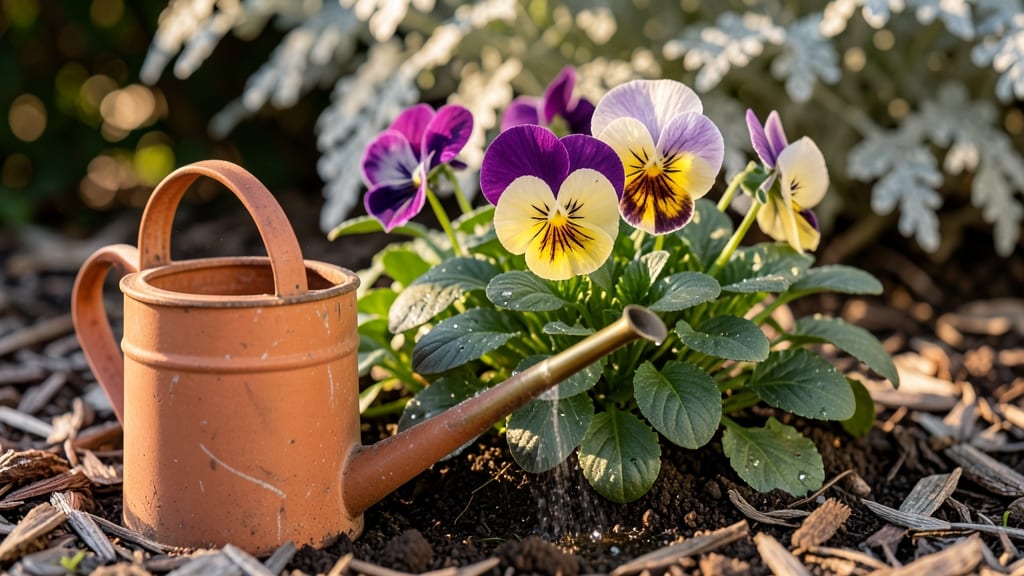
Struggling to keep your pansies vibrant and healthy? Overwatering or underwatering can turn your colorful garden into a sad, wilted mess—often within days. The secret lies in a precise watering schedule tailored to pansy needs, which we’ll break down step-by-step to save your plants from root rot or dehydration.
Pansies prefer consistently moist soil but hate soggy conditions. In containers, they dry out faster than in garden beds, while hot summers demand more frequent watering than mild springs.
Below, I’ll share the exact weekly schedule, plus how to spot when your 🌸 pansies are thirsty (or drowning) and what to do about it.
You’ll learn how to adjust for shade, pots, and seasonal shifts—so your pansies stay perky from spring through fall, with zero guesswork.


Pansy water requirements by season: exact weekly schedule to avoid over/underwatering
Pansies thrive on a consistent moisture schedule, but their needs shift dramatically with seasonal temperature changes. In spring and fall, cool weather slows evaporation, while summer heat demands daily attention.
Winter dormancy reduces watering to every two weeks, but frozen soil can trap excess moisture—leading to root rot. The key is checking soil moisture with your finger: aim for top 1-2 inches dry before watering.
Container-grown pansies dry out faster than in-ground plants due to exposed roots and limited soil volume. A 5-inch pot may need watering every 2-3 days in summer, while garden beds can stretch to 5-7 days.
Always water at the base of the plant to prevent fungal diseases from wet foliage. Morning watering is ideal—it allows leaves to dry before evening humidity sets in.
Environmental factors like humidity and wind also play a role. In high-humidity zones, reduce watering by 20-30% to avoid soggy soil. Conversely, windy conditions increase evaporation, so check soil moisture more frequently. Mulching with 2-3 inches of organic matter helps retain moisture while suppressing weeds.
For spring watering, start with every 5-7 days as soil warms. Monitor for wilting in late afternoon, which signals it’s time to water. Use a soil moisture meter for accuracy—pansies prefer 60-70% moisture but hate soggy roots.
In summer, switch to daily or every-other-day watering, especially in full sun. Early morning is best to prevent leaf scorch from midday heat.
Fall watering should gradually decrease as temperatures drop. By October, most pansies only need water every 7-10 days unless you’re in a drought-prone area.
Always water deeply to encourage root development before winter dormancy. In winter, only water if the ground isn’t frozen—ice crystals can suffocate roots.
Pansies in shady locations require 20% less water than those in full sun. Test soil moisture by pushing your finger 1-2 inches deep—if it feels dry, water thoroughly.
Overwatering is the #1 killer of pansies, causing yellow leaves and mushy stems. Underwatering leads to crispy edges and drooping. Balance is key!
Pro tip: Group pansies together in garden beds to create a microclimate that retains moisture longer. Avoid overhead sprinklers—they can spread fungal diseases. Instead, use a soaker hose or watering can with a rose attachment to deliver water directly to the soil.
Adjust your schedule based on rainfall. If you get 1 inch of rain, skip watering for 3-5 days afterward. In container gardens, check soil moisture daily in summer—pots dry out 3x faster than garden beds. Always use well-draining soil to prevent waterlogging.
By following this seasonal watering guide, your pansies will stay vibrant and healthy all year. Remember: consistency is key—pansies hate boom-and-bust watering. Stick to the schedule, and you’ll enjoy continuous blooms from spring to frost! 🌸
Signs your pansies are thirsty (or drowned): how to diagnose watering mistakes
Pansies are surprisingly resilient, but they send clear signals when their water needs aren't met. Yellowing leaves, drooping petals, or sudden wilting can all point to overwatering or underwatering.
The key is learning to read these visual cues before they become irreversible damage. Let’s decode the most common signs and how to fix them quickly.
One of the first clues is leaf color. Yellow leaves often signal overwatering, while crispy, brown edges usually mean underwatering. But don’t stop there—check the stem condition too.
Mushy, soft stems are a red flag for root rot, while dry, brittle stems indicate thirst. These symptoms can appear within days, so acting fast is critical.
🌸 Quick Diagnosis: Stick your finger about an inch into the soil. If it feels damp, hold off on watering. If it’s dry, it’s time to hydrate. This simple test can prevent most watering mistakes.
🌱 Overwatering Alerts
- 1. Yellow leaves with green veins—roots are suffocating from excess moisture.
- 2. Mushy, blackened stems or leaves—sign of root rot spreading.
- 3. White or gray fuzz on leaves—fungal growth like powdery mildew.
- 4. Soil smells sour or looks waterlogged—poor drainage is the issue.
💧 Underwatering Signs
- Drooping petals that don’t perk up after watering—severe thirst.
- Crispy, brown edges on leaves—cells are drying out.
- Slow growth or no new blooms—plant is conserving energy.
- Soil pulls away from pot edges—extreme dryness.
✅ Fix It Fast
- Overwatered? Stop watering immediately and improve drainage with perlite.
- Underwatered? Water deeply at the soil base in the morning.
- Both issues? Adjust your watering schedule based on soil moisture tests.
If you spot fungal growth or mushy stems, act immediately. Remove affected leaves and repot the plant in fresh, well-draining soil. For underwatering, a thorough soak in the morning can revive drooping pansies within hours.
Remember, pansies prefer consistently moist (not soggy) soil—aim for the "squeeze test": if a handful of soil leaves minimal moisture when squeezed, it’s time to water.
Pro tip: Mulch around your pansies with organic matter like straw to retain moisture and regulate soil temperature. This simple step can cut watering needs by up to 30% while keeping roots happy. Always water at the base to avoid wetting the leaves, which can promote fungal diseases.
With these visual cues and quick fixes, your pansies will bounce back from watering mishaps in no time. Pay attention to their signals, and you’ll enjoy vibrant blooms all season long! 🌿