
Watering
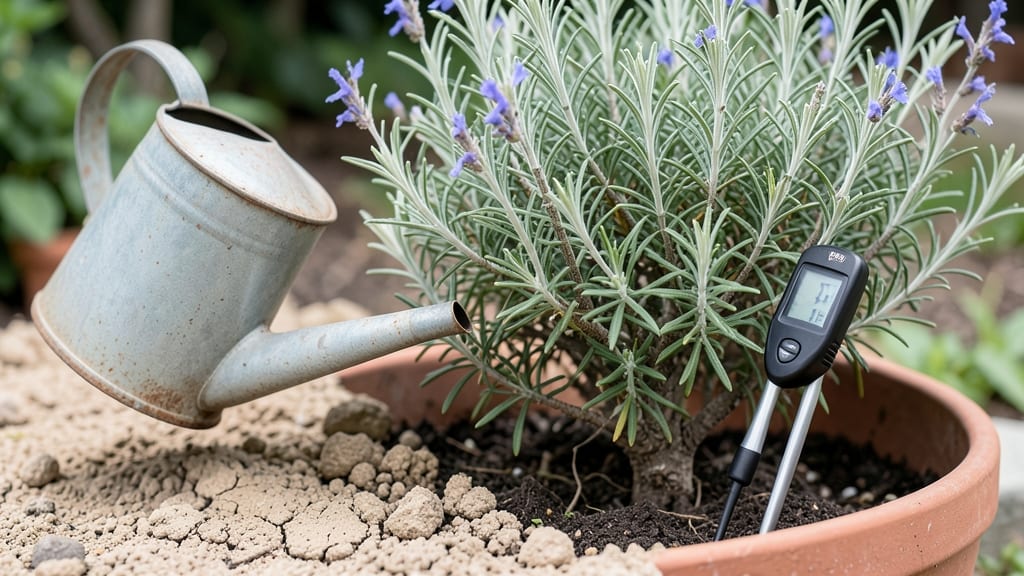
The rosemary water requirements balance drought tolerance with deep hydration—too much or too little, and your fragrant herb will struggle to thrive.
Here’s the catch: rosemary thrives on neglect, but that doesn’t mean it’s drought-proof. Overwatering is the silent killer, while underwatering leaves it woody and sparse. The key is understanding its water needs by growth stage—whether you’re nurturing seedlings or tending to a mature bush.
In this guide, I’ll break down the exact watering schedule for each phase, from weekly soaks for new plants to biweekly checks for established rosemary. You’ll also learn how to spot the subtle signs of over- or under-watering and adjust on the fly.
Whether you’re growing rosemary in pots or garden beds, in Zone 6a or hotter climates, these tips will keep your plants lush, aromatic, and ready for harvest year-round.


Rosemary watering schedule by growth stage: how often to water seedlings vs mature plants
Rosemary is famously drought-tolerant, but its water needs change dramatically from seedling to maturity. Young plants require consistent moisture to establish roots, while mature rosemary can survive on occasional deep watering.
Understanding these stages prevents both root rot and wilting—two common mistakes that kill rosemary faster than you’d think.
Your rosemary’s watering schedule should align with its growth phase, soil type, and climate. For example, container-grown rosemary dries out faster than in-ground plants, while Mediterranean climates need less frequent watering than humid regions.
Let’s break down the exact watering frequency for each stage, plus how to adjust for your specific conditions.
📌 Pro Tip: Always water rosemary in the morning (before 10 AM) to reduce evaporation and fungal risks. Avoid evening watering, which can leave foliage damp overnight.
For seedlings, the key is consistency. Young rosemary roots are shallow and need daily moisture checks. Stick your finger 1 inch deep—if it feels dry, water immediately.
Overwatering at this stage causes root rot, while underwatering stunts growth. Use a humidity dome or pebble tray to maintain moisture without soggy soil.
Once your rosemary hits the established stage (around 3 months), you’ll notice it slows water uptake. This is when you can shift to deep, infrequent watering. Aim to water every 7-10 days in-ground plants, but check soil moisture first—stick your finger 2 inches deep.
If it’s dry, water until it runs out the drainage holes. Mulch with gravel or straw to retain moisture and deter weeds.
Mature rosemary is where the "set it and forget it" philosophy kicks in. These hardy plants thrive on neglect, so watering every 10-14 days is ideal in most climates. The exception? Containers, which dry out 2-3x faster than garden beds.
For potted rosemary, water every 5-7 days in summer or when the top 3 inches of soil are dry. Terracotta pots are best—they wick away excess moisture.
Winter is rosemary’s dormant season, and its water needs drop to a bare minimum. In USDA Zone 6a (like much of the Midwest), reduce watering to every 3-4 weeks for containers or monthly for in-ground plants.
The goal is to keep the soil slightly moist but never soggy. If your rosemary is in a protected microclimate (like near a south-facing wall), it may need slightly more water—just enough to prevent desiccation.
💡 Environmental Adjustments: Heatwaves, high winds, or low humidity can dry out rosemary faster. During summer heat, increase watering to every 5-7 days for established plants, and every 3-5 days for containers. Conversely, cool, rainy springs may require skipping watering entirely—always check soil moisture first.
One of the biggest mistakes I see is watering on a schedule without checking the soil. Rosemary’s needs vary by season, pot size, and climate. Instead of guessing, use the "finger test": Insert your index finger 2-3 inches deep.
If it feels dry, water; if it’s moist, wait. This method prevents both overwatering and underwatering, keeping your rosemary perennial and productive for years.
For <
Signs of overwatering vs underwatering rosemary: how to fix common mistakes
Rosemary’s needle-like leaves and woody stems make it surprisingly resilient, but even this Mediterranean native can’t handle watering extremes. The key to revival lies in recognizing subtle visual and tactile cues—like soggy soil or brittle stems—that signal your rosemary is either drowning or dehydrating.
First, check the soil moisture by sticking your finger 1-2 inches deep. If it feels damp, you’re likely overwatering; if dry, it’s time to hydrate. The difference between salvageable stress and permanent damage often comes down to acting within 24-48 hours of noticing symptoms.
Rosemary Watering: Pros & Cons
- Yellowing leaves
- Mushy stems
- Foul soil smell
- Dry, crispy needles
- Wilting stems
- Slow growth
- Stop watering immediately
- Repot in fresh soil
- Trim dead growth
- Water deeply at base
- Mulch to retain moisture
- Move to partial shade
For overwatered rosemary, the first step is cessation. Stop all watering and let the soil dry completely before repotting in a well-draining mix (like 60% cactus soil + 40% perlite).
Prune any blackened stems with sterilized scissors to prevent fungal spread. If root rot has set in, you may need to trim affected roots and treat with a fungicide.
When rosemary shows underwatering signs, revive it with a deep soak—water until it drains from the bottom of the pot. In containers, use a moisture meter to avoid overcorrecting.
For garden rosemary, water at the soil base (not the foliage) to encourage deep root growth. After recovery, adjust your schedule to every 10-14 days in summer.
Pro tip: Group rosemary plants together in your garden to create a microclimate that retains moisture. A 2-inch layer of gravel mulch around the base will also regulate soil temperature and reduce evaporation.
With these fixes, your rosemary should bounce back within 2-4 weeks—just don’t overdo the watering again! 🌿