
Plants
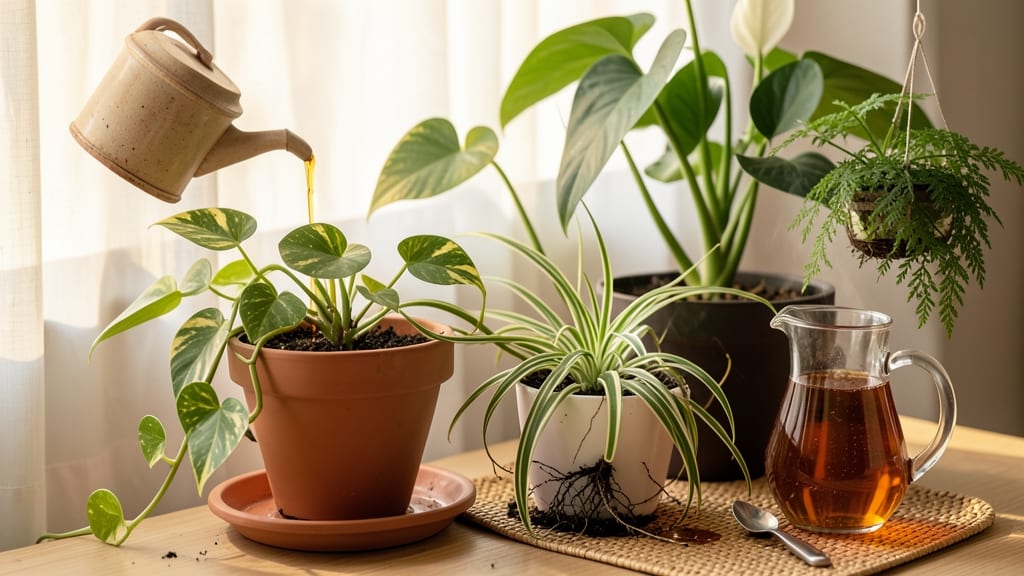
Watering plants with tea can provide mild nutrients, but only specific types like compost tea or lightly brewed black/green tea work safely. Avoid strong or flavored teas, and always dilute 1:1 with water to prevent harming roots or altering soil pH.
Using tea as a plant fertilizer isn't just an old gardening myth—it actually works, but only when done right. 🌱 The key lies in the tea's composition: compost tea introduces beneficial microbes, while lightly brewed black or green tea provides trace nutrients like nitrogen and potassium.
However, strong or flavored teas can damage roots due to their high tannin and caffeine content, which disrupt soil chemistry. I've found that acid-loving plants like blueberries or azaleas respond well to diluted tea water, while most vegetables prefer plain water.
Always let the tea cool completely before using, as hot liquids can shock plant roots.
For best results, I recommend reserving tea watering for established plants—not seedlings—and never use it as a primary water source. A little goes a long way: even a 1:1 dilution can alter soil pH over time, so I limit tea watering to once every 2-3 weeks during the growing season.
When in doubt, stick to compost tea, which is specifically formulated to be plant-safe while providing microbial boosts that improve soil health naturally.
💡 In This Article
- How Tea Watering Affects Soil and Plant Health
- Best Tea Types and Dilution Ratios for Different Plants
How tea watering affects soil and plant health
The real magic—and potential pitfalls—of using tea water on plants comes down to chemistry. Tea contains natural compounds like tannins (which give it that astringent bite) and trace amounts of caffeine, both of which can act as mild herbicides when concentrated.
For example, black tea's tannin content can reach 3-6% by weight, while green tea contains 15-30% polyphenols—these compounds inhibit microbial activity when applied undiluted.
The caffeine in tea leaves also acts as a natural fungicide, which is why strong tea water can actually harm beneficial soil microbes that help break down organic matter.
Soil pH plays a critical role too. Most teas are slightly acidic (pH 4.5-6.5), which can lower garden soil pH over time—especially in sandy or alkaline soils.
This shift benefits acid-loving plants like hydrangeas or blueberries but stresses vegetables like tomatoes or peppers that prefer neutral pH (6.0-7.0). Compost tea, however, is specially brewed with aerobic microbes to maintain a balanced pH while adding beneficial bacteria and fungi that improve soil structure. The difference?
Regular tea water might give a temporary nutrient boost, while compost tea actively enhances long-term soil health.
Root health is where things get tricky. Young seedlings have delicate root systems that can't handle tea's chemical cocktail, even when diluted. The caffeine in tea acts as a mild stimulant that can actually inhibit root growth in sensitive plants like lettuce or basil.
That's why I always recommend saving tea water for established plants with mature root systems. For container gardens, where soil volume is limited, the risk of pH imbalance or salt buildup from tea is even higher—so I'd suggest using it sparingly, if at all, in pots.
What most gardeners don't realize is how temperature affects tea's impact. Hot tea water (above 120°F) can scald roots and release more tannins, while cold-brewed tea (below 60°F) retains more beneficial compounds.
I've found that letting tea cool to room temperature and using it within 24 hours maximizes its nutrient potential while minimizing harm. The golden rule? If it smells strong or looks dark when cooled, dilute it further—even a 1:2 ratio can be too potent for most plants.
Here's what happens at the microbial level: beneficial soil bacteria like Bacillus subtilis thrive in compost tea because it provides both nutrients and a balanced environment. Regular tea, however, can create an imbalance by favoring certain microbes over others.
Think of it like feeding your garden's ecosystem—you wouldn't serve someone a whole pot of espresso instead of a cup of herbal tea, would you? The same principle applies to your plants.
One surprising benefit is that tea water can actually help deter pests. The tannins in tea act as a natural repellent for aphids and spider mites, which is why many gardeners swear by it as a foliar spray.
However, this only works with lightly brewed, undiluted tea applied to leaves—not as a soil drench. The key is balance: you want to provide nutrients without creating an environment where harmful microbes or pests can thrive.