
Planting
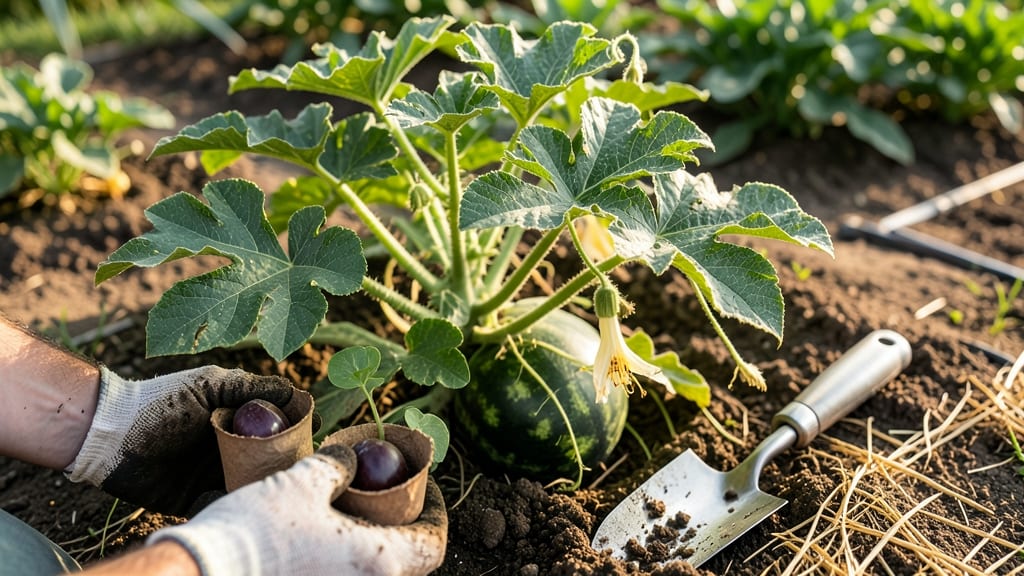
The best month to plant watermelon seeds is after your last frost date when soil temperatures hit 70°F — typically April or May in most regions.
Watermelon seeds need the perfect timing to thrive — plant too early and risk frost damage, too late and miss the growing season. I’ve seen fast germination turn into disappointment when vines struggle in cooler soil, and I’ll show you how to avoid that.
In USDA Zone 6a and warmer, direct-sowing in late spring is ideal, but cooler climates may need to start seeds indoors 4-6 weeks earlier. The key? Soil temperature, not just calendar months.
Below, I break down the exact frost-free window for your zone, soil warming tricks to speed up growth, and the one mistake that kills watermelon plants before they even fruit.
Optimal planting months by USDA hardiness Zones for watermelon germination
Watermelon seeds demand precise timing—soil temperatures below 65°F stall germination, while late planting cuts harvests short. Your USDA zone dictates whether you'll start seeds indoors or sow directly outdoors. Let's break down the perfect frost-free window for each zone to maximize your 70-90 day harvest.
For Zones 3-5, where frosts linger late, indoor starts 4-6 weeks before last frost are essential. In Zones 6-10, direct sowing after May 15 works, but Zone 11 gardeners can plant year-round. Always verify your last frost date—watermelons cannot tolerate frost at any growth stage.
🌱
In Zones 3-4, where summers are short, indoor starts in March give seedlings a head start. Use grow lights to maintain 70°F soil temps—cold soil delays germination by 2-3 weeks. Transplant outdoors only after June 1, when nighttime temps stay above 55°F.
Gardeners in Zones 5-6 should sow seeds indoors by April 1 for May 15 transplanting. Use black plastic mulch to warm soil faster—this can shave 10 days off your growing season. Always harden off seedlings for 7-10 days before moving them outside.
For Zones 7-8, direct sowing in March-April works if your soil stays above 65°F. Use a soil thermometer to monitor temps—below 60°F stalls germination completely. In Zone 8, you can often get two harvests by planting early and late.
In Zones 9-10, watermelons thrive with year-round planting, but spring plantings yield the largest fruit. Avoid summer sowing—intense heat can cause bitter-tasting fruit. Instead, focus on February-March for ideal July-August harvests.
🌡️
Zone 11 gardeners enjoy three planting windows: winter (Jan-Feb), spring (March-April), and fall (Sept-Oct). However, winter plantings may struggle with humidity and pests. Prioritize spring for the best flavor and size, with harvests by June-July.
Pro tip: Use row covers in Zones 3-7 to extend your growing season by 2-3 weeks. Remove covers when flowers appear to allow bee pollination. Always plant after the last frost—even a light frost can kill young seedlings.
🌿
How to adjust planting timing for faster germination and larger fruits
Timing is everything when growing watermelons—especially in cooler climates where slow soil warming can delay germination. By adjusting your planting strategy, you can boost seedling speed and produce larger, sweeter fruits.
The key lies in soil warming, seed pre-treatment, and smart companion planting to extend your growing season naturally.
For regions with short summers or late frosts, starting seeds indoors or using soil warmers can shave weeks off the growing cycle. Meanwhile, companion plants like bush beans or radishes help regulate soil temperature and deter pests, giving your watermelons a head start.
Let’s break down the most effective techniques to optimize your planting schedule.
- Soil Warming: Use black plastic mulch or row covers 1-2 weeks before planting to raise soil temps to 70°F+. This trick works especially well in USDA Zones 3-7 where cool nights delay germination.
- Seed Soaking: Soak watermelon seeds in lukewarm water for 4-6 hours before planting. This speeds up germination by 2-3 days, giving seedlings a faster start in cooler soils.
- Stratification: For northern climates, stratify seeds by mixing them with damp sand and refrigerating for 3-5 days. This mimics winter conditions and breaks dormancy for faster sprouting.
- Companion Planting: Interplant radishes or bush beans alongside watermelons. These plants warm the soil with their shallow roots and repel pests, creating an ideal microclimate for vines.
- Extend the Season: Use cold frames or hoop houses to plant watermelons 2-3 weeks earlier in spring. This adds 10-14 extra frost-free days to your growing window.
If you’re in a warmer climate (Zones 8-11), focus on direct sowing after the last frost but use shade cloth during extreme heat to prevent seed desiccation. Watermelons thrive when soil temps stay between 70-90°F, so monitor your garden’s microclimate closely.
For container growing, place pots on heat-absorbing surfaces like dark-colored gravel or use self-heating seed mats. This ensures roots stay warm enough to germinate consistently, even in balcony gardens with limited space. Always use well-draining soil mixed with compost to improve moisture retention.
Pro tip: Test your soil temperature with a soil thermometer before planting—watermelon seeds won’t germinate below 65°F. If your soil is too cold, wait 1-2 weeks or use a mini greenhouse to create a warmer environment. Patience here pays off with faster vines and bigger fruits.
By combining these techniques, you’ll maximize your watermelon’s growing potential, regardless of your climate. Whether you’re a northern gardener or a tropical zone grower, adjusting your timing with these methods ensures a longer harvest season and juicier results. 🌱🍉✂️