Plants
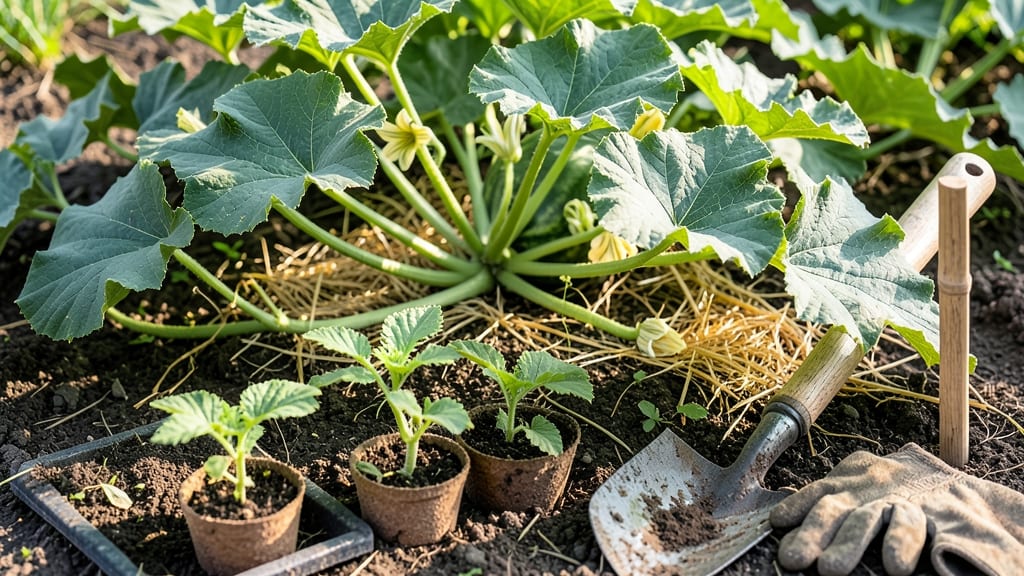
Planting watermelons in NC after your last frost date — typically mid-April to mid-May — sets you up for a sweet harvest between July and September.
You’ve got the right climate for juicy, vine-sprawling 🍉 watermelons, but timing is everything. Plant too early, and a late frost will kill your seedlings. Too late, and your vines might not mature before summer’s end.
The difference between a bumper crop and a disappointment often comes down to knowing your zone’s frost-free window and soil temperature.
North Carolina’s diverse zones — from the cooler Piedmont to the warmer Coastal Plain — mean your neighbors might be harvesting while you’re still waiting.
I’ll break down the best planting windows for each zone, plus how to prep your soil and choose varieties that thrive in NC’s heat and humidity.
By the end, you’ll know exactly when to plant for the best yields, how to protect your melons from pests, and when to start watching for that telltale cream-colored spot under the fruit.
North Carolina watermelon planting dates by USDA Zone (with frost-free deadlines)
North Carolina’s diverse climate—from the cool mountain regions of Zone 5b to the humid Coastal Plain in Zone 8a—means your watermelon planting window varies dramatically. Planting too early risks frost damage, while waiting too long can shorten your harvest.
Let’s break down the optimal planting dates for each zone, including soil temperature requirements and frost-free deadlines to ensure your vines thrive.
Watermelons need warm soil (70°F+) and consistent heat to germinate and grow. In North Carolina, this typically aligns with late April to early June, but your exact timing depends on your USDA zone.
For example, Zone 5b gardeners in the mountains must wait until after May 15, while Zone 8a growers in the Coastal Plain can start as early as mid-April. Let’s dive into the specifics.
If you’re in Zone 5b or 6a, consider planting heat-tolerant varieties like ‘Crimson Sweet’ or ‘Sugar Baby’ to maximize your short season. These varieties mature in 75-85 days, giving you a better chance of a harvest before fall frosts arrive in mid-October.
For Zones 7b and 8a, you can even experiment with fall plantings in late July for a winter harvest—though yields may be smaller.
One common mistake is planting watermelons too early in cooler zones (like Zone 5b) without season extenders. Cold soil and nighttime temps below 55°F can stunt germination. To avoid this, use black plastic mulch or row covers to warm the soil.
In Zones 7a and below, you can start seeds indoors 4-6 weeks before transplanting, but direct sowing is often easier and healthier for watermelons.
For Coastal Plain gardeners (Zones 7b-8a), the real challenge is humidity and pests. Planting too late can lead to powdery mildew or cucumber beetles damaging young vines. To combat this, choose disease-resistant varieties like ‘Charleston Gray’ and apply mulch early to suppress weeds and retain moisture.
In Zone 8a, you can even stretch your season by planting every 2 weeks from March through June for a continuous harvest.
Pro tip: Always check your local frost dates using the NC State Climate Office or Almanac’s Frost Calculator, as microclimates (like urban heat islands) can shift your planting window by 1-2 weeks. For example, Raleigh’s urban areas may stay frost-free 5-7
5 Critical factors that determine your NC watermelon planting success (beyond dates)
While frost-free dates guide your planting schedule, soil warmth and microclimates in North Carolina often override calendar recommendations. In Zone 7b (Piedmont), for example, urban heat islands can create 5-7°F warmer soil than rural areas just 10 miles away.
These differences mean your planting window might shift by weeks depending on location and preparation.
Even after selecting the right dates, variety selection becomes your next critical decision. Heat-tolerant varieties like 'Crimson Sweet' thrive in Coastal Plain zones (8a-8b), while early-maturing types such as 'Sugar Baby' suit Mountain regions (6b-7a) where summers are shorter.
Ignoring these matches can lead to poor fruit set or bitter-tasting melons.
Transplant timing often gets overlooked, but rushing it can stunt your watermelon's growth. Seedlings need consistent warmth—if nighttime temps dip below 60°F, they'll struggle to establish roots. In Western NC, this means waiting until mid-May even if calendar dates suggest earlier planting.
For Coastal areas, you might start transplanting as early as late April.
Mulching isn't just about weed control—it's a game-changer for NC's variable climate. Black plastic mulch can raise soil temperatures by 5-10°F, which is crucial in Mountain regions where cool nights delay fruit set.
Even in hotter Piedmont zones, mulch helps retain moisture during summer droughts that are becoming more common. For urban gardeners, straw mulch works better as it cools roots in heat-island conditions.
Don't forget that microclimates create entirely different growing conditions within short distances. A south-facing urban garden in Raleigh might have soil ready for planting by April 15, while a wooded rural plot 20 miles away could need to wait until May 1.
Always test your soil temperature—it's the most reliable indicator of planting readiness, not just the calendar.