
Plants
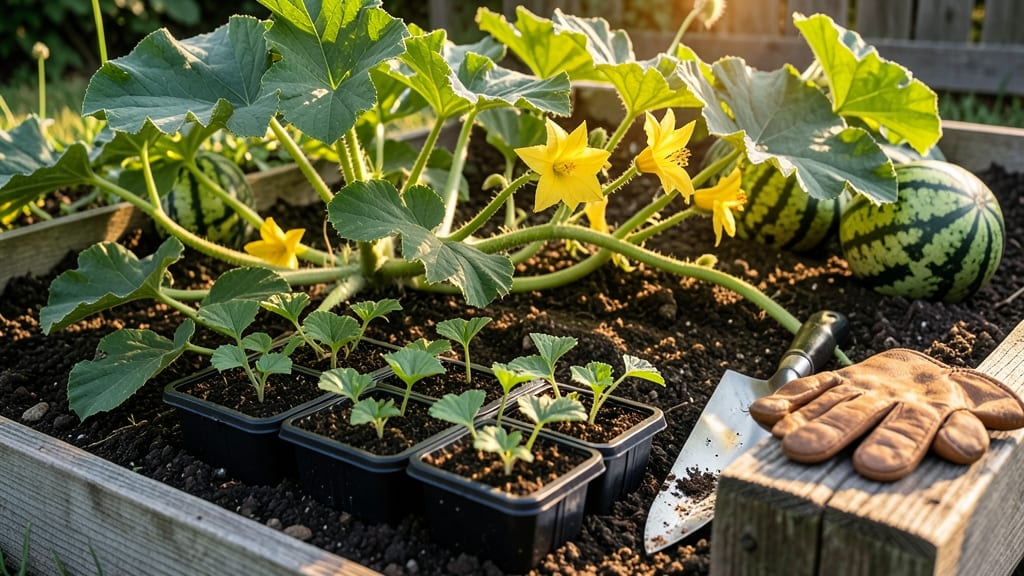
Planting watermelon in Texas depends on your region’s last frost date and soil warmth — aim for mid-March in North Texas and February in South Texas, when nighttime temps stay above 55°F.
Texas gardeners know timing is everything — plant too early, and frost will kill your vines; too late, and your harvest arrives after summer’s brutal heat.
The key is waiting for soil temperatures to hit 70°F+ before dropping seeds directly into the ground, where they thrive in the state’s long, hot summers.
Unlike cooler climates, watermelons never need indoor starts in Texas. Instead, focus on soil prep: amend with compost, mulch heavily to retain moisture, and choose fast-maturing varieties like ‘Sugar Baby’ for North Texas or ‘Charleston Gray’ for the heat of Central Texas.
Below, I break down exact planting windows by USDA zone, soil temperature tricks to speed up germination, and how to stretch your harvest through fall’s first frost. Ready for juicy, homegrown melons? Let’s get started.
Texas watermelon planting dates by region: exact months and soil temperature guidelines
Watermelons thrive in Texas’ long, hot summers—but only if planted at the right time. Soil temperatures below 70°F will stall germination, while planting too late risks overripe fruit before frost.
Each Texas region has unique frost-free windows and heat patterns, so let’s break down the optimal planting dates for your area.
Texas spans USDA Zones 7-10, meaning frost dates vary wildly. In North Texas (Zones 7-8), last frosts can linger until mid-April, while South Texas (Zones 9-10) may see frost-free conditions by early February.
The High Plains (Zone 7) face the earliest risks, while Central Texas (Zones 8-9) enjoys a balanced growing season.
Key rule for all regions: Wait until soil reaches 70°F+ (test with a soil thermometer) and air temps stay above 60°F at night. Watermelons cannot tolerate cold, so avoid early spring plantings unless using black plastic mulch to warm the soil faster.
Direct sowing is best—watermelons hate transplanting and may struggle to recover. Start seeds 1 inch deep, spacing them 6 inches apart in rows 3-4 feet apart to allow vines to sprawl.
If your season is short (like the High Plains), opt for fast-maturing varieties like ‘Sugar Baby’ (65 days).
In North Texas, where late frosts are common, delay planting until after May 1 to avoid cold snaps.
Use row covers for early starts if you’re eager, but remove them once soil warms. Central Texas gardeners have the longest season—plant in March for early varieties or April for larger melons like ‘Crimson Sweet’.
South Texas offers the earliest starts, but watch for humidity and disease pressure. Space plants extra wide (4-5 feet) to improve airflow. The High Plains require the latest plantings due to short summers—choose compact varieties like ‘Black Diamond’ (70 days) to maximize yields before fall cools.
Pro tip: Test your soil’s pH (6.0–6.8) and amend with compost or aged manure before planting. Watermelons are heavy feeders, so side-dress with 5-10-10 fertilizer when vines hit 12 inches long. Mulch with straw or black plastic
How to adjust watermelon planting for Texas heat and drought: pro tips for success
Texas summers bring scorching heat and unpredictable droughts, which can stress watermelon vines if you don’t adjust your planting strategy. The key is to time your plantings for cooler months while still giving your melons enough warmth to thrive.
I’ve learned that late spring and early fall plantings often yield the best results, but with a few extra tricks up your sleeve.
First, focus on drought-resistant varieties and mulching techniques to conserve moisture. In my own garden, I’ve seen watermelons wilt under Texas sun without proper care, but with the right adjustments, they bounce back stronger.
Let’s dive into the pro tips that’ll help you beat the heat and drought while maximizing your harvest.
🌱 Top 5 Adjustments for Texas Watermelon Success
- 1. Plant in late April-May for North Texas or March-April in South Texas—avoid early spring when soil stays too cool.
- 2. Use black plastic mulch to warm soil 10°F faster and retain moisture, cutting water needs by 30-40%.
- 3. Choose heat-tolerant varieties like ‘Charleston Gray’ or ‘Crimson Sweet’—they handle 100°F+ better than standard types.
- 4. Water deeply twice weekly at dawn to reduce evaporation, and avoid wetting leaves to prevent fungal diseases.
- 5. Prune runners aggressively in peak heat to redirect energy to fruit production instead of vine growth.
One of my biggest mistakes was planting watermelons too early in North Texas, where soil temperatures often stay below 70°F until late April. Seeds simply wouldn’t germinate, leaving me scrambling to replant.
Now, I wait until the soil hits 75°F+—you can check this with a soil thermometer—before dropping seeds directly into the ground.
For South Texas gardeners, the challenge is different: humidity and late-season heat can stress plants. I’ve found that fall plantings in September work surprisingly well, giving melons time to mature before winter sets in.
Just be sure to space plants wider (6-8 feet apart) to improve airflow and reduce disease risk.
Another game-changer? Drip irrigation delivers water right to the roots while keeping foliage dry. In my trials, plants with drip systems produced 20% more fruit than those watered with overhead sprinklers. Pair this with a 2-3 inch layer of straw mulch, and you’ll lock in moisture while suppressing weeds—win-win!
Don’t forget to monitor your plants daily during heatwaves. Watermelons wilt quickly in 100°F+ temps, but a quick shade cloth (30-50% coverage) over young plants can buy them time to recover. Once established, mature vines handle heat better, but consistent care keeps them productive all season.
With these adjustments, you’ll turn Texas’ challenges into opportunities—imagine juicy, homegrown watermelons even in the driest summers! The secret is preparation, patience, and smart water management. Happy growing! 🌞