
Plants
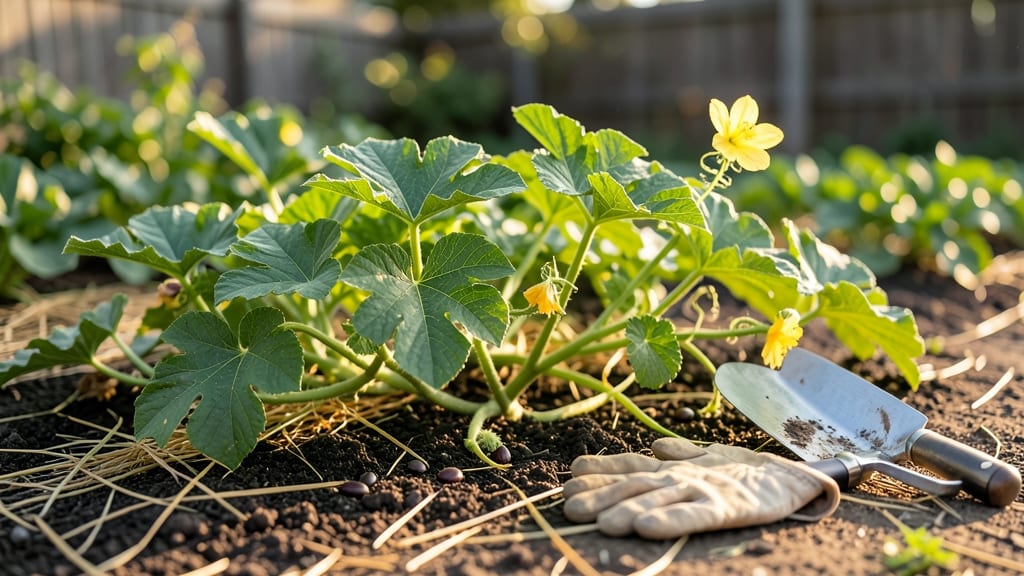
Plant watermelon seeds in California when soil temperatures hit 75°F+—typically mid-April to early June—to avoid frost and scorching heat.
California’s diverse microclimates—from coastal fog to desert heat—can make or break your watermelon harvest. Plant too early, and frost strikes; too late, and scorching summer heat stunts growth.
For Southern CA, aim for March to April in desert zones, while Central and Northern CA gardeners should wait until May to June when nights stay warm.
Here’s the exact planting schedule by zone, plus tips for soil prep, variety selection, and avoiding common mistakes that ruin harvests.
California watermelon planting calendar by microclimate Zone
Watermelons thrive in California’s warm climate, but timing varies dramatically between regions. In the desert zones of Southern CA, you can plant as early as February when soil hits 75°F+. Meanwhile, coastal areas like Santa Barbara wait until April to avoid late frosts.
Understanding your local frost-free date is critical—watermelons simply won’t survive below 50°F. Let’s break down the ideal planting windows for each microclimate to ensure your vines grow strong and produce juicy fruit.
For Northern California, including areas like Sacramento and Redding, the window narrows to late April through early May. These regions experience cooler springs, and planting too early risks soil-borne diseases from lingering moisture.
In contrast, Central Valley zones like Fresno and Bakersfield offer a broader window from mid-March to early April, thanks to their warmer inland climates. Always check your last frost date—typically March 15 for Central CA and April 15 for Northern CA—to fine-tune your schedule.
Here’s a quick reference for your region’s ideal planting window, soil temperature requirements, and frost-free guidelines:
In Southern California’s desert regions, like Palm Springs and Yuma, you can push the envelope and plant watermelon seeds as early as February. The key is ensuring the soil temperature stays consistently above 75°F—use a soil thermometer to confirm.
If you’re in a coastal microclimate, such as San Diego or Monterey, wait until April to avoid coastal fog delays and ensure your plants get enough warmth to germinate.
For Central California’s valleys, including Fresno and Bakersfield, aim for mid-March to early April. These areas benefit from warmer days and cooler nights, creating ideal conditions for watermelon growth.
If you’re in the foothills, like Modesto or Stockton, delay planting until late April to avoid springtime frost risks. Use
How to adjust planting time for early vs. late varieties
California’s microclimates demand flexibility in watermelon planting. Early varieties like ‘Sugar Baby’ thrive in cooler zones, while late-season types like ‘Crimson Sweet’ need extended heat. Adjusting timing by just 2-4 weeks can mean the difference between a bountiful harvest and wasted effort.
In Northern CA, where frosts linger until May 15, opt for shorter-season varieties planted in late May. Meanwhile, Southern CA gardeners can start heat-tolerant varieties as early as March 1 in desert areas. The key is matching your local frost dates with the variety’s maturity timeline.
For cooler zones, use transplanting tricks to extend the season. Start heat-tolerant seeds indoors 3-4 weeks before your last frost, then transplant after soil reaches 75°F.
This gives vines a 2-week head start in warming soil, crucial for varieties like ‘Moon and Stars’ that need 90+ days to mature.
In desert climates, prioritize shade cloth and drip irrigation to protect young seedlings from intense afternoon sun. Late varieties like ‘Black Diamond’ can handle 100°F+ temperatures, but their seeds need direct sowing after April 15 to avoid heat stress during germination.
Always check your local USDA zone and adjust planting by 2 weeks earlier in desert areas or 2 weeks later in coastal fog zones. A soil thermometer is your best friend—watermelon seeds won’t sprout until soil hits 70°F+, even in warm climates.
Pro tip: Mulch heavily after planting to keep roots cool. This is especially critical for early varieties in Zone 7, where sudden heat spikes can cause blossom drop and reduce fruit set. Aim for 3-4 inches of mulch to maintain even moisture and temperature.