
Plants
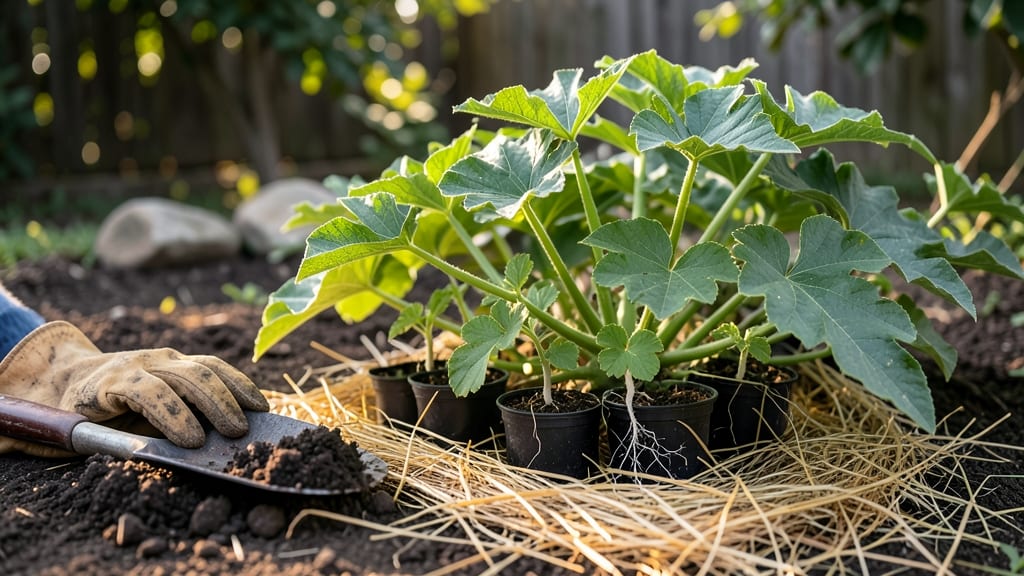
To plant watermelon in Southern California, aim for late March to early May when soil temperatures hit 70°F—skipping this window risks stunted vines or bitter fruit before summer’s peak heat.
Here’s the catch: SoCal’s frost-free zones mean no last-frost worries, but coastal areas play by different rules than the Inland Empire. Plant too early, and your 🍉 seeds may rot in chilly coastal soil; too late, and the vines struggle to mature before summer’s relentless sun.
Below, I’ll break down the exact planting windows for your microclimate—whether you’re near the coast or baking in the desert—plus how to pick varieties that thrive in 60-90 days without wilting.
You’ll also discover how to stretch your harvest season, avoid common pests, and turn those sprawling vines into sweet, homegrown melons by July or October, depending on your timing.
Best planting times for watermelon in Southern California’s microclimates
Southern California’s diverse microclimates—from coastal breezes to inland desert heat—create unique growing conditions for watermelons. Unlike northern climates, most of SoCal is frost-free year-round, but soil temperature and heat tolerance still dictate the perfect planting window.
Aim for soil temps between 70-90°F (21-32°C) to ensure strong germination and vigorous vine growth. Coastal areas can plant slightly earlier, while desert regions should wait until late spring to avoid summer’s intense heat.
Watermelons thrive in Southern California’s USDA Zones 9b-11, but microclimates vary dramatically. The Coastal region (e.g., Los Angeles, San Diego) enjoys milder winters, while the Inland Empire (e.g., Riverside, San Bernardino) and Desert areas (e.g., Palm Springs, Coachella Valley) experience hotter summers and cooler nights.
Choosing the right planting window for your specific zone maximizes your chances of a sweet, bountiful harvest.
Soil temperature is the golden rule for watermelon planting. Use a soil thermometer to confirm temps—seeds won’t sprout reliably below 70°F (21°C). In coastal areas, soil warms quickly in March, while inland and desert regions may need to wait until April or May. For a fall harvest, plant in late summer (August-September) to take advantage of cooling temperatures before winter.
For coastal gardeners, mid-March to early April is ideal—soil warms quickly, and the risk of late frost is minimal. In the Inland Empire, wait until late March to mid-April when soil temps consistently reach 75°F (24°C).
Desert regions should delay planting until late April or May to avoid the brutal summer heat, which can stress young plants and reduce fruit quality. If you’re aiming for a fall harvest, plant in August or early September to enjoy cooler temperatures and avoid winter’s chill.
Heat-tolerant varieties like ‘Sugar Baby’ or ‘Crimson Sweet’ perform well in inland and desert areas, while faster-maturing types like ‘Black Diamond’ (65-70 days) suit coastal gardeners with shorter growing seasons.
Always choose disease-resistant seeds to combat Southern California’s humid coastal summers or dry desert conditions. Test your soil’s pH (6.0-6.8) and amend with compost to ensure optimal nutrient uptake.
Direct sowing is best for watermelons—transplants struggle with root shock. Plant seeds 1 inch deep and 6 inches apart in hills spaced 3-5 feet apart to accommodate sprawling vines. Use black plastic mulch to warm soil faster and suppress weeds, a game-changer in cooler coastal areas.
Water deeply after planting to encourage strong root development, but avoid overwatering, which can lead to blossom-end rot or powdery mildew.
Monitor your plants for heat stress, especially in inland and desert regions. Symptoms include yellowing leaves or wilting vines during peak afternoon heat. Provide 30-50% shade cloth
How to choose watermelon varieties for Southern California’s short growing season
Southern California’s short growing season and intense summer heat demand careful watermelon variety selection. Fast-maturing types like 'Sugar Baby' (60-70 days) thrive in coastal areas, while heat-tolerant varieties such as 'Crimson Sweet' (90+ days) excel inland.
Your choice directly impacts drought resistance, flavor, and yield—especially when summer arrives early.
For beginners, prioritize disease-resistant and small-fruited varieties like 'Black Diamond'. These handle Southern California’s humidity fluctuations better and produce sweet, manageable fruits (10-15 lbs).
Expert growers often experiment with heirlooms like 'Moon and Stars', but these require extended care to avoid cracking in our hot, dry winds.
Fast-Maturing Varieties (60-70 Days)
Pros
- ✅ Early harvests before peak heat
- ✅ Coastal-friendly (milder summers)
- ✅ Beginner-approved (small vines)
Cons
Heat-Tolerant Varieties (90+ Days)
- ✅ Thrive in inland heat (100°F+)
- ✅ Larger fruits (20-30 lbs)
- ✅ Drought-resistant (less watering)
Cons
- ❌ Longer season (risk of early heat stress)
- ❌ Bigger vines (need more space)
- ❌ Prone to cracking in dry winds
In coastal SoCal, where summers are milder but humid, focus on 'Sugar Baby' or 'Tiny Tim'—both mature in 65-70 days and resist powdery mildew.
Inland areas should opt for 'Crimson Sweet' or 'Charleston Gray', which handle 100°F+ temps and low humidity better. Drought-resistant varieties like 'Congo' are ideal for water-scarce regions.
Flavor profiles vary too: 'Yellow Doll' offers a sweeter, honeydew-like taste, while 'Moon and Stars' delivers a bold, seedless experience. For expert growers, 'Heirloom' types like 'Moon and Stars' or 'Minnesota Mule' reward patience with exceptional sweetness—but require consistent moisture and shade cloth during peak heat.
Pro tip: Start seeds indoors 2-3 weeks before your last frost date (though SoCal rarely has frost). Transplant seedlings when soil hits 70°F to avoid poor germination. Use black plastic mulch to warm soil faster and reduce weeds—critical in our dry, windy climate.
Remember, SoCal’s microclimates vary wildly. Coastal areas like Malibu can grow watermelons year-round, while Palm Springs may need fall plantings to escape summer’s worst heat. Experiment with 2-3 varieties to find your perfect match!