
Plants
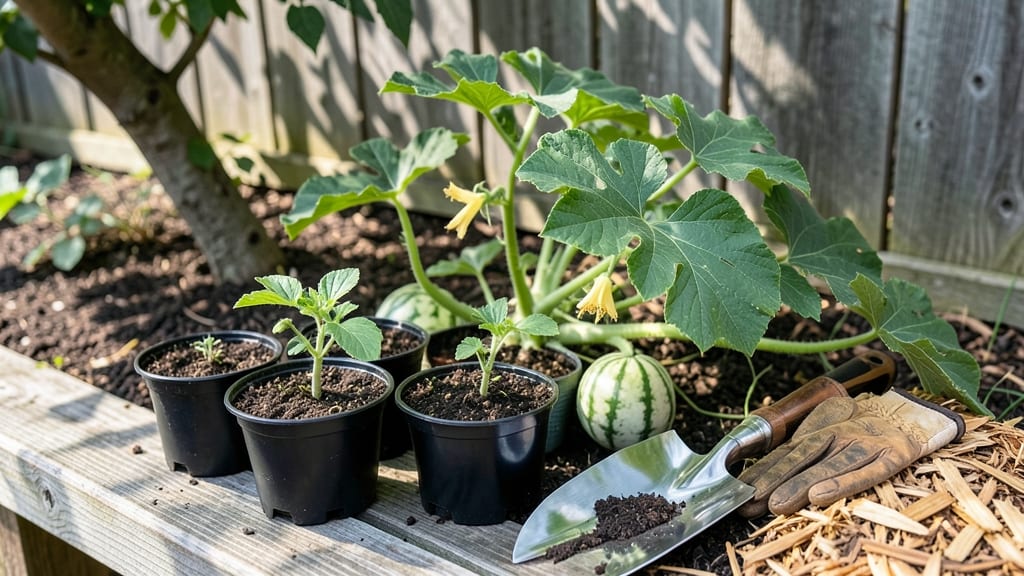
Planting watermelons in Alabama after the last frost and when soil temperatures hit 70°F is the key to fast germination and a sweet harvest.
Alabama’s long growing season makes watermelon cultivation a rewarding but timing-sensitive endeavor—plant too early and risk frost, too late and miss peak sweetness. Mastering soil temperature triggers can mean the difference between a bountiful harvest and wasted seeds.
In North Alabama (Zone 7b), aim for mid-April to early May when nights stay reliably above 55°F. Down south in Zone 8b, you’ve got flexibility until early June, but don’t wait too long—watermelons need 75-90 days to mature.
Below, I’ll break down the exact soil temp rules, regional planting windows, and pro tips for Alabama gardeners to get those vines off to a fast start—no more guessing games.
Alabama watermelon planting timeline: soil temperature rules for germination
Alabama’s diverse climate means North and South regions can have 3-4 week differences in planting windows.
Watermelons need soil temperatures of 65-70°F to germinate successfully—any cooler, and seeds rot in the ground. Last frost dates vary from March 15 in South Alabama to April 15 in North Alabama, creating distinct planting zones.
Timing is everything: Plant too early, and frost damage will kill seedlings. Plant too late, and your harvest arrives after summer’s peak. Black plastic mulch can warm soil by 5-10°F, giving you a 2-week head start in marginal zones.
Always verify your local frost-free date using the Alabama A&M Extension frost maps.
Soil temperature is your most critical metric—never rely on air temperature alone. Use a soil thermometer (available for $10-$15) to check depths of 2-4 inches. In Alabama’s USDA Zones 7b-8b, soil hits 65°F as early as late March in Mobile but not until mid-April in Huntsville.
Here’s how Alabama’s two distinct regions break down for watermelon planting:
| Region | Last Frost Date | Soil Temp Threshold | Optimal Planting Window | Harvest Window | Key Tip |
|---|---|---|---|---|---|
| South Alabama (Mobile, Birmingham) | March 15 | 65-70°F (late March) | Mid-March to early April | June to August | Use black plastic mulch to extend season |
| Central Alabama (Montgomery, Auburn) | March 30 | 65-70°F (early April) | Late March to mid-April | Late June to September | Wait for consistent 70°F+ soil temps |
| North Alabama (Huntsville, Decatur) | April 15 | 65-70°F (mid-April) | Late April to early May | July to early September | Consider container growing for earlier starts |
For North Alabama gardeners, Memorial Day (late May) is the traditional cutoff for planting—any later, and your 75-day varieties won’t mature before frost. In South Alabama, you can push the envelope with heat-tolerant varieties like 'Sugar Baby' or 'Crimson Sweet', which handle 90°F+ temperatures better than standard types.
If you’re in a transition zone (like Madison or Talladega), play it safe by starting seeds indoors 2-3 weeks before your target outdoor date. Use biodegradable pots to avoid transplant shock when moving seedlings outdoors. Seedling trays with bottom heat mats can help jumpstart germination in cooler microclimates.
Alabama’s sandy soils (common in Wiregrass region) warm faster than clay soils but also dry out quicker. Amend with compost to improve moisture retention while maintaining good drainage. Drip irrigation on a timer is ideal—watermelons need 1-2 inches of water weekly, but soggy soil invites root rot.
Don’t forget about microclimates—a south-facing slope can be 2-3 weeks earlier to plant than a low-lying valley. Use a minimum-maximum thermometer to track your specific garden’s heat patterns.
In urban areas like Huntsville or Birmingham, concrete heat can create pockets where soil reaches planting temps 10 days earlier than rural areas.
Pro tip: Test your soil’s warmth by pressing your hand 2 inches deep—if it feels like a warm bath, it’s ready. For extra insurance, lay a clear plastic sheet over seed beds for 3-5 days before planting to accelerate soil warming.
Always remove it before germination to prevent overheating.
Finally, variety selection matters. Short-season varieties like 'Black Diamond' (68 days) work for North Alabama, while 'Charleston Gray' (8
Step-by-step watermelon planting guide for Alabama gardens
Alabama’s sandy soils and humid summers create perfect conditions for juicy watermelons—but only if you plant them correctly. Timing, soil prep, and spacing are critical to avoid poor germination or disease. I’ll walk you through every step, from soil prep to post-planting care, with Alabama-specific tips to maximize your harvest.
Watermelons thrive in warm soil (70°F+) and need full sun exposure (8+ hours daily). In Alabama, this means waiting until mid-April to early June in most regions, but North Alabama gardeners should delay until after Memorial Day to avoid late frosts.
Let’s get your garden ready for a sweet harvest!
- Test soil pH: Aim for 6.0-6.8. Alabama’s sandy soils often need compost or aged manure to retain moisture.
- Loosen soil: Dig 12 inches deep and mix in 2-3 inches of compost to improve drainage and fertility.
- Add mulch: Lay black plastic mulch 2-3 weeks before planting to warm soil faster in cooler regions.
- Direct sowing: Best for Alabama’s climate. Plant seeds 1 inch deep, 2-3 seeds per hill, with 3-4 feet between hills.
- Transplanting: Start seeds indoors 3-4 weeks before last frost in biodegradable pots. Harden off for 7-10 days before transplanting.
- Spacing: Leave 5-6 feet between rows to accommodate sprawling vines. Use trellises for dwarf varieties to save space.
- Water deeply: Keep soil consistently moist (1-2 inches per week). Use drip irrigation to avoid wetting leaves and reduce disease risk.
- Fertilize lightly: Apply balanced fertilizer (10-10-10) at planting, then again when vines start running. Reduce nitrogen once fruit sets.
- Manage humidity: In Alabama’s humid summers, space plants for airflow and remove lower leaves to prevent fungal diseases like powdery mildew.
Alabama’s sandy soils drain quickly, so mulching with straw after germination helps retain moisture and suppress weeds. For heavy clay areas, mix in sand or perlite to improve drainage.
Monitor for cucumber beetles, a common pest in watermelon patches, and use row covers early in the season if needed.
Thin seedlings to the strongest plant per hill once they’re 4-6 inches tall. This reduces competition and ensures larger, sweeter melons.
In South Alabama’s warmer climate, you can even plant a second crop in late June for a fall harvest—just be prepared to provide extra shade during peak summer heat.
With these steps, your Alabama watermelon garden will be on track for a bountiful harvest in July or August. The key is patience with soil warming and consistent care—your effort will pay off with melons so sweet, they’ll make your neighbors jealous! 🍉