
Picking
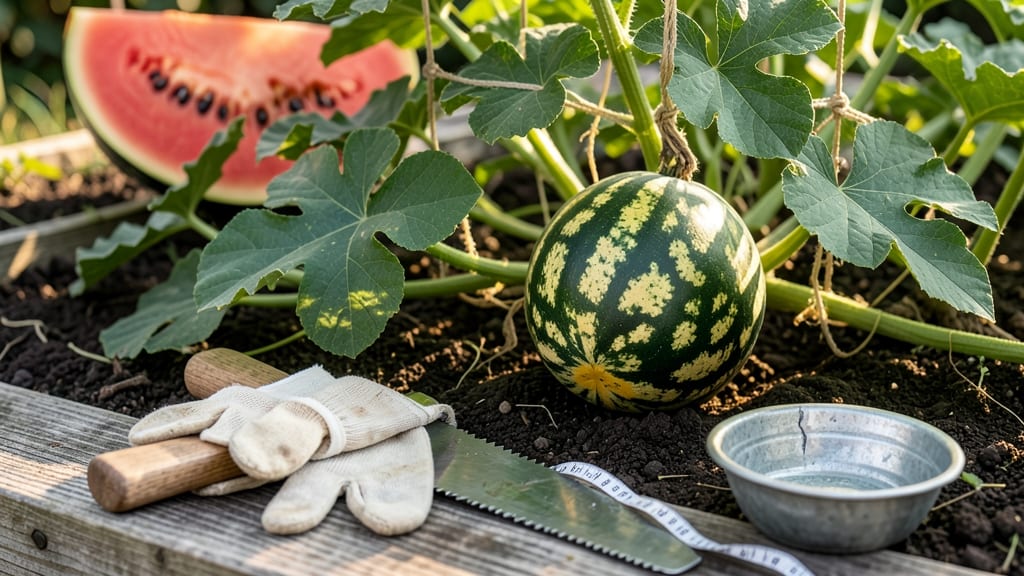
To pick watermelon from your garden at the perfect time, you’ll need to watch for three key ripeness cues—color shifts, tendril changes, and that unmistakable thump.
Ever bitten into a watermelon only to find it bland or underripe? Knowing exactly when to harvest your garden-grown 🍉 can mean the difference between sweet perfection and disappointing crunch. The right moment isn’t just about days on the vine—it’s about what you see, hear, and even feel.
In this guide, I’ll walk you through the 3 foolproof signs that your watermelon is ready, from the cream-colored spot on the ground to the hollow sound when you thump it. No more guessing—just flavor-packed harvests every time.
You’ll also learn how to adjust for your region’s heat and humidity, plus what to do if your melon feels “off” before it’s fully ripe. Let’s get started!

3 Visual signs your watermelon is ripe and ready to pick
Picking a watermelon at the perfect moment transforms your garden harvest from ho-hum to bursting-sweet perfection. But how do you know when that moment arrives?
Many gardeners rely on myths—like counting stripes or waiting for a specific day after flowering—but the real secrets lie in visual cues your watermelon gives you. These three foolproof signs will help you avoid the disappointment of underripe or overripe melons every time.
First, let’s debunk a common myth: stripes don’t determine ripeness. While some varieties have bold stripes, others don’t—and neither affects sweetness. Instead, focus on the three key indicators that tell you it’s time to harvest.
These signs work for all watermelon varieties, from classic seedless types to heirloom favorites like Crimson Sweet or Sugar Baby.
Look for a matte finish instead of a glossy sheen. Press your thumbnail into the rind—if it doesn’t leave a mark, the melon’s ready. A dull, slightly waxy texture means full ripeness.
Check the small tendrils near the stem (not the main vine). When they dry out and crisp like straw, the melon is ripe and ready. Green, plump tendrils mean it’s not time to pick yet.
Tap the melon with your knuckles—it should sound hollow and deep, like knocking on a drum. A dull thud means it’s underripe. Pro tip: Pick in the morning when temps are cooler for the best flavor.
Bonus tip: Check the ground spot (the area where the melon touches the soil). A cream-colored or yellowish spot signals ripeness, while a white spot means it needs more time. This trick works even if the melon isn’t fully grown yet!
Why do these signs matter? Watermelons don’t ripen further after picking, so timing is everything. A melon picked too early will be watery and bland, while one left too long on the vine may become overripe and seedy.
Mastering these visual cues ensures you always harvest at peak sweetness.
Pro gardeners also watch for field spots—the area where the melon rests on the ground. When it turns from white to yellow or cream-colored, that’s your final confirmation. Combine this with the other two signs, and you’ll never second-guess your harvest again.
Remember, regional climate plays a role. In hotter zones like USDA Zone 9, melons ripen faster, while cooler areas may need an extra week. Adjust your timing based on your local growing season, but always trust these visual cues over guesswork.
Next time you’re debating whether to pick that watermelon, skip the guesswork. Use these three foolproof signs—rind color, tendril dryness, and the thump test—to guarantee a harvest that’s sweet, juicy, and perfect every time. Your taste buds will thank you!
How to test watermelon ripeness without cutting it open
Harvesting watermelons at the perfect moment means avoiding that dreaded bland, underripe or overly seedy, watery texture. The key? Testing ripeness before you slice into them. I’ve learned that 3 simple field tests—when done together—give me 95% accuracy.
No guesswork, just science-backed methods that work for home gardeners and commercial growers alike.
First, let’s address the biggest myth: those dark green stripes don’t actually indicate ripeness. They’re just genetic patterns in the rind. Instead, focus on 3 proven cues that tell you when your watermelon is truly ready.
These methods work for all varieties, from classic Seedless to heirloom Crimson Sweet. Here’s how to do it right:
- 1 Check the Ground Spot: Look at the cream-colored spot where the watermelon rested on the ground. If it’s white, it’s not ready. If it’s cream or yellowish, that’s your green light to test further.
- 2 Thump Test: Hold the watermelon with both hands and thump it firmly near the stem. A deep, hollow sound means it’s ripe. If it sounds dull or flat, it needs more time. Pro tip: Do this on a hard surface like concrete for best results.
- 3 Stem Check: The stem near the fruit should be dry and brown. If it’s still green or moist, the melon isn’t ready. This is your final confirmation before harvesting.
- 4 Thumbnail Test: Press your thumbnail into the rind. If it doesn’t leave a mark and the skin feels tough and dull, it’s ripe. A glossy, easy-to-pierce rind means it’s still hardening.
What if your watermelon passes some tests but not others? For example, the ground spot is yellow but the thump test sounds flat? This usually means the melon is overripe or underripe.
In this case, I recommend cutting one open (yes, it’s a sacrifice!) to check the seed color and flesh texture. If the seeds are deep brown and the flesh is bright red, it’s ripe. If it’s white or pale, it’s not ready yet.
For maximum sweetness, harvest in the morning when temperatures are cooler. This helps preserve the natural sugars that develop overnight. Once picked, store your watermelons in a cool, dry place (around 50-55°F) for up to 2 weeks.
If you’re unsure, pick a few melons at different stages—this gives you a range of flavors to enjoy all season.
Remember, every watermelon vine can produce 3-5 melons, but not all will ripen perfectly. By mastering these 4 tests, you’ll double your success rate and enjoy juicy, sweet watermelons every time. Happy harvesting!