
Plants
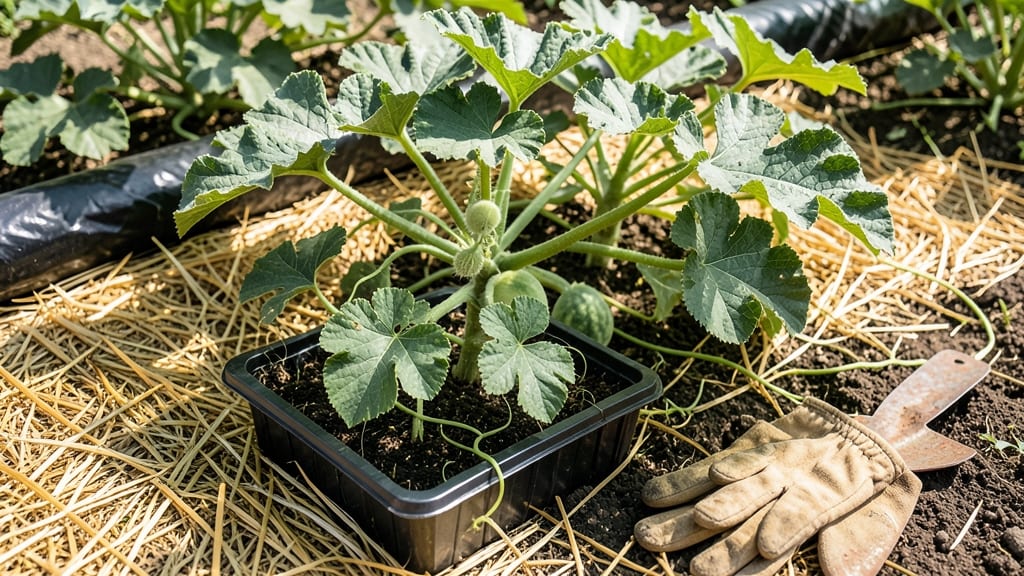
Plant watermelon in Central Florida between mid-February and mid-April to beat the heat and avoid late-spring frost risks, giving vines time to mature before summer’s brutal temperatures.
Central Florida’s scorching summers and unpredictable springs can make watermelon planting a high-stakes game—plant too early, and frost risks linger; too late, and vines struggle in brutal heat. But timing it just right unlocks sweet, juicy harvests.
This 90-day growing season means you’ve got a narrow window to prep soil, warm it with black plastic mulch, and get seeds in the ground before the thermometer climbs past 85°F.
Below, I’ll walk you through the exact planting dates for Orlando, Tampa, and Ocala, plus the heat-tolerant varieties that thrive here—and how to keep your vines from wilting before they fruit.
Optimal planting dates for watermelon in Central Florida’s climate zones
Central Florida’s USDA Zone 9b climate offers a long growing season, but watermelons (Citrullus lanatus) demand precise timing to thrive. The key is planting when soil temperatures hit 70°F+—too early, and seeds rot; too late, and vines wilt under 90°F+ heat.
Orlando, Tampa, and Ocala each have microclimate quirks that shift these windows by 1-2 weeks.
In Orlando, the frost-free date averages January 15, but watermelons should wait until mid-March for direct sowing. Tampa’s slightly warmer coastal influence lets you start 2 weeks earlier, while Ocala’s inland heat allows early February planting.
Always check your local last frost data—even Zone 9b can see light frosts in December or January.
| Location | Direct Sowing Window | Transplant Window | Soil Temp Threshold | Heat Risk |
|---|---|---|---|---|
| Orlando | Mid-March to early April | Late February to mid-March | 70°F+ (consistent) | High after May 1 |
| Tampa | Late February to mid-March | Early February to late February | 70°F+ (coastal warmth) | Moderate after May 15 |
| Ocala | Early February to late March | Late January to early February | 70°F+ (inland heat) | Severe after May 1 |
For transplanting, start seeds indoors 4-6 weeks before your local window. Use biodegradable pots to avoid root shock when moving to raised beds or mounded soil.
Ocala’s inland heat lets you transplant as early as late January, but Tampa’s humidity may delay until early February to avoid fungal diseases.
Seed germination stalls below 60°F, so never plant before soil warms. Use a soil thermometer—if temps dip below 65°F at night, cover seedlings with frost cloth until daytime warmth returns. Black plastic mulch raises soil temps by 5-10°F, accelerating germination in cooler microclimates like Lake County.
Avoid planting after May 1—Central Florida’s summer heat (95°F+) causes blossom drop and poor fruit set. Instead, opt for late-season varieties like ‘Crimson Sweet’ (70-day harvest) or ‘Sugar Baby’ (65 days) for June-July plantings. These tolerate 85°F+ better than standard types.
Pro tip: Drip irrigation keeps roots cool during peak heat. Run lines in the early morning to avoid fungal spores splashing onto leaves. Pair this with shade cloth (30%) over young plants until they establish a 4-foot vine, which shields them from intense afternoon sun.
Watermelons need 60-90 days to mature, so time your planting to finish before first frost (rare in Zone 9b, but possible in December). A June harvest aligns with Florida’s peak watermelon season—just beat the hurricane season (June-November) by picking before storms hit.
Monitor your local National Weather Service alerts for heat advisories. If temps exceed 100°F for 3+ days, provide afternoon shade and increase watering to 2 inches/day. Even heat-tolerant varieties like ‘Charleston Gray’ struggle without these adjustments.
Remember: Soil prep is half the battle. Amend beds with compost and a balanced 5-10-10 fertilizer at planting. Watermelons are heavy feeders, but excess nitrogen leads to leafy vines and few fruits. Side-dress with phosphorus-rich compost when vines reach 3 feet.
Heat-tolerant watermelon varieties that thrive in Central Florida’s summer heat
Central Florida’s summer heat—think 90°F+ and relentless humidity—can turn watermelon vines into wilting messes if you’re not strategic. But the right heat-tolerant varieties can handle the brutal conditions while still delivering sweet, juicy harvests.
I’ve grown these top 5 varieties in USDA Zone 9b, and they consistently outperform others in our 100°F+ afternoons.
Local growers swear by ‘Sugar Baby’ for its small size and early maturity, while ‘Charleston Gray’ stands out for its disease resistance in our humid climate. Each variety balances heat tolerance, yield potential, and flavor quality—critical factors when every degree counts.
Let’s dive into the rankings, so you can pick the perfect match for your garden.
‘Charleston Gray’ tops my list for Central Florida gardens thanks to its thick rind and powdery mildew resistance. This variety thrives in high humidity and delivers 10-12 lb fruits with crisp, sweet flesh. Local farmers in Orlando plant it as early as mid-February under row covers to jumpstart growth before our 95°F+ summers hit.
‘Sugar Baby’ is my go-to for small-space gardens or containers. Its 3-5 lb fruits mature in just 70 days, making it perfect for late spring plantings (April-May) when soil temps are ideal. The secret? Its shallow roots handle our sandy soils better than deeper varieties, and it tolerates light drought once established.
Don’t overlook ‘Crimson Sweet’—a classic heat-lover that produces 15-20 lb melons with deep red flesh. It’s a late-season powerhouse, thriving when other varieties wilt. Plant it after Memorial Day to avoid early blight, and use drip irrigation to keep leaves dry in our afternoon thunderstorms.
‘Black Diamond’ is a dark green-skinned variety that outperforms in extreme heat (100°F+). Its semi-sweet flesh stores well, making it great for late summer harvests (August-September). I’ve seen it yield 20+ fruits per vine when given consistent water and mulch to retain moisture.
For early harvests, try ‘Tasty Bite’—a mini watermelon that matures in 65 days. It’s ideal for succession planting in May-June to stretch your harvest season. Just watch for cucumber beetles; they love these small, tender vines.