Plants
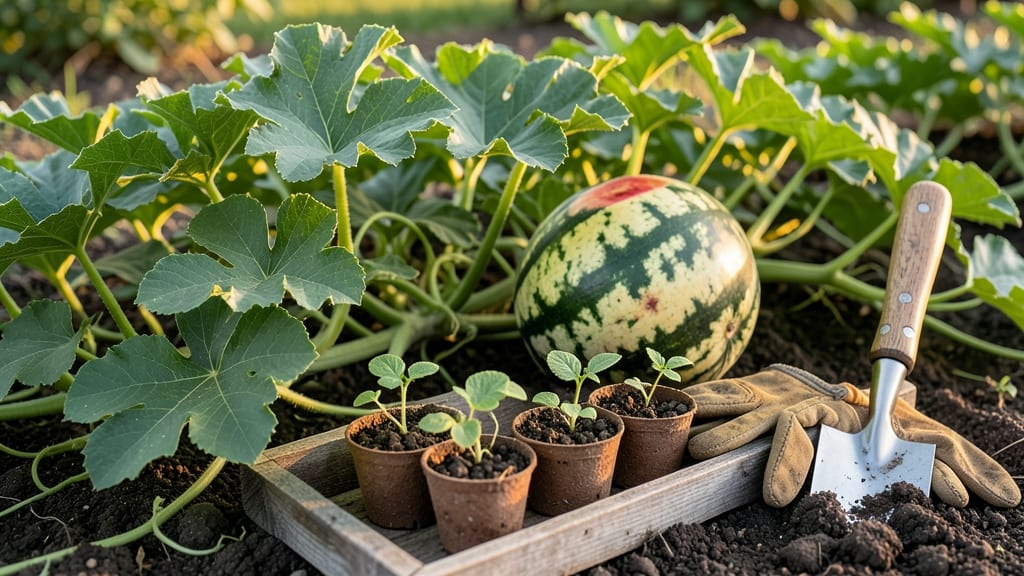
Planting watermelon in Florida at the right time means the difference between a bumper crop and a sad, withered vine.
If you’ve ever watched your 🍉 seedlings wilt in the heat or your fruit turn bitter before ripening, you know timing is everything. Florida’s long growing season gives you two chances to plant—spring and fall—but hitting the frost-free window and soil temperature sweet spot is the key to success.
In this guide, I’ll walk you through the exact planting dates for your region, how to check soil warmth (yes, it matters more than air temperature), and pro tips to stretch your harvest into late fall. No more guesswork, just juicy, vine-ripened watermelons all season.
Ready to turn your garden into a watermelon patch? Let’s dive into the perfect planting schedule for Florida’s climate and extend your harvest like a local pro.
Best planting dates for Florida watermelons by region (avoid frost zones!)
Florida’s warm climate makes it a paradise for growing watermelons, but timing is everything. Unlike northern states, Florida’s frost-free growing season stretches nearly year-round, but regional differences mean your planting dates should vary.
In North Florida, you’ll need to wait until after the last frost (usually mid-February), while South Florida gardeners can start as early as late January. Central Florida falls somewhere in between, with ideal windows from late February to early March.
The key is planting when soil temperatures hit at least 70°F—this ensures strong germination and healthy vines.
Direct sowing is the preferred method for watermelons, but if you’re using transplants, time them right to avoid shock. Seedlings should be hardened off and ready to go by mid-March in North Florida and late February in South Florida.
For direct sowing, wait until after the last frost date in your area, which can vary by 1-2 weeks depending on microclimates. Always check the Florida Climate Center for real-time updates on frost risks.
Here’s a quick breakdown of your planting windows by region, including both direct sowing and transplanting timelines:
| Region | Direct Sowing Window | Transplanting Window | Soil Temp Requirement | Notes |
|---|---|---|---|---|
| North Florida (Jacksonville, Gainesville) | Mid-February to early April | Late March to mid-April | 70°F+ (use black plastic mulch if needed) | Wait until last frost (avg. Jan 15) |
| Central Florida (Orlando, Tampa) | Late February to early May | Early March to late March | 70°F+ (soil warms faster here) | Avoid planting too early—spring heat can stress seedlings |
| South Florida (Miami, Fort Lauderdale) | Late January to early April | Mid-February to early March | 70°F+ (soil stays warm year-round) | Can plant year-round, but avoid summer for best flavor |
For a second harvest, consider a late-summer planting in August or September. This works best in South and Central Florida, where temperatures remain mild enough for seedlings to establish before cooler weather arrives.
In North Florida, stick to spring plantings—summer heat can overwhelm young vines. If you’re experimenting with fall plantings, use shade cloth to protect seedlings from intense afternoon sun.
Adjust your planting timeline based on your local microclimate. Coastal areas warm up faster than inland regions, so you might start 1-2 weeks earlier near the Gulf or Atlantic. Conversely, areas with higher elevation (like North Florida’s hills) may need to wait until soil temperatures are consistently above 75°F.
Always monitor your garden’s conditions—soil thermometers are your best friend for accurate readings.
Pro tip: If you’re in a transition zone (like Central Florida), stagger your plantings every 2 weeks to extend your harvest season. This way, you’ll have watermelons ripening continuously from June through September.
Just be sure to thin seedlings to 2-3 feet apart to give vines room to sprawl—crowded plants produce smaller, less flavorful fruit.
Finally, don’t forget that Florida’s humidity can speed up germination. Seeds may sprout in as few as 3-5 days when soil temps are ideal, so keep an eye on your planting rows.
Once seedlings emerge, thin to the strongest 2-3 plants per hill and watch for powdery mildew—a common issue in Florida’s damp climate. A preventative spray of neem oil can save your crop before it starts.
With these region-specific dates and a little patience, you’ll be feasting on homegrown watermelons all season long. Just remember: soil temperature matters more than air temperature, and Florida’s frost-free windows are your golden ticket to success. Happy planting! 🍉
Soil temperature & watermelon germination: the critical 70°F rule
If you’ve ever planted watermelon seeds only to watch them sit stubbornly in the soil for weeks, you’re not alone. The issue isn’t just air temperature—it’s soil temperature. Watermelon seeds need soil that’s warmed to at least 70°F to germinate properly.
In Florida, this means waiting for the right conditions can make or break your harvest. Cool soil delays germination, weakens seedlings, and even attracts pests like fungi. Let’s fix that with science-backed solutions.
Air temperature might feel warm, but your soil could still be too cool. For example, in North Florida, March air might hit 75°F while the soil lingers at 60°F—perfect for seed rot. Even in South Florida, early spring mornings can drop soil temps below the ideal range.
The key is testing your soil’s actual temperature before planting. Use a soil thermometer (just $10 at garden centers) to check 2 inches deep—this is where seeds will germinate.
🌱 Numbered Highlights: Soil Temp Secrets for Watermelon Success
- 1. Wait for 70°F+ soil: Germination stalls below this—seeds rot or sprout weakly.
- Test at 2" depth: Surface temps can be misleading; use a thermometer.
- Black plastic mulch: Raises soil temps by 5–10°F in 2 weeks—ideal for spring plantings.
- Avoid transplant shock: Seedlings grown in cold soil struggle; start seeds indoors if soil is <65°F.
- Morning checks: Soil cools overnight; test at 10 AM for accurate readings.
Once you’ve confirmed your soil is warm enough, keep it that way. Black plastic mulch is my top trick—it absorbs sunlight and raises soil temperatures by 5–10°F in just 2 weeks. For organic gardeners, try straw mulch (3–4 inches thick) or grass clippings, which also insulate the soil.
Avoid dark-colored mulches like bark chips; they can overheat the soil in Florida’s summer, stressing young plants.
What if your soil is still too cold after waiting? Don’t rush—planting too early leads to blossom-end rot or leggy, weak vines.
Instead, start seeds indoors under grow lights (75°F soil in pots) and transplant only when outdoor soil hits 70°F. For Florida’s fall plantings, aim for late July when soil temps naturally rise again.
Pro tip: If you’re in a shady spot, use a clear plastic tunnel to trap heat during the day.
Remember, watermelon seeds are sensitive to temperature swings. If your soil drops below 60°F at night, cover seedlings with frost blankets (even in summer, unexpected cold snaps happen). And always water in the morning—wet soil cools faster, so evening watering can drop temps too low for germination.
With these tricks, you’ll break the germination barrier and enjoy sweet watermelons all season.
🌡️✂️🍉