
Plants
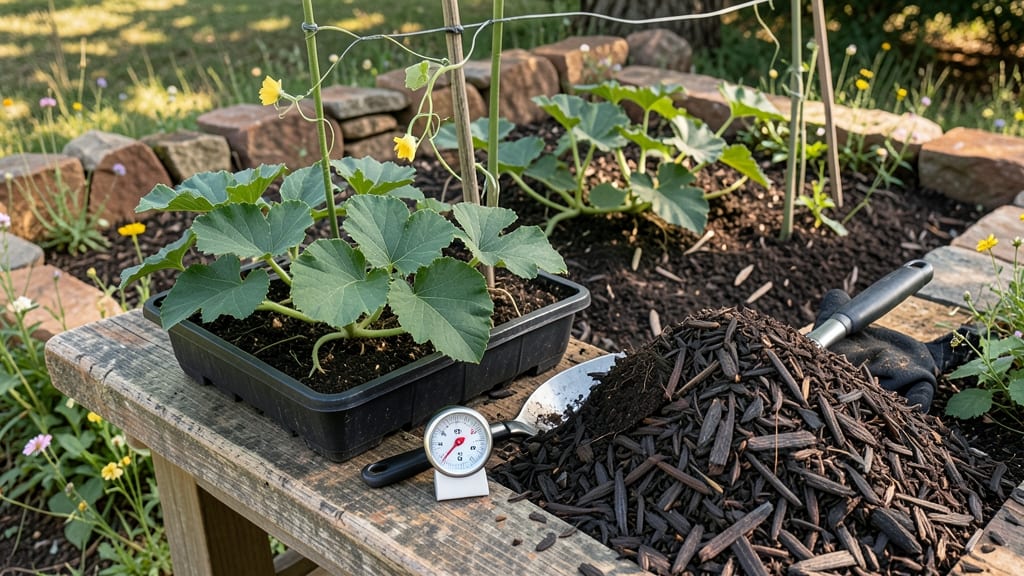
Planting watermelon in Kentucky after the last frost and when soil reaches 70°F is the key to avoiding stunted vines and frost damage.
Kentucky’s humid summers and unpredictable spring weather can make watermelon planting a guessing game—get the timing wrong, and you’ll either face frost damage or stunted growth. But with the right soil warmth and frost-free timeline, you can grow juicy, vine-ripened watermelons that thrive in Bluegrass State conditions.
In USDA Zones 6a-7a, the ideal window spans mid-April to early June, but regional microclimates (like the cooler Appalachian foothills vs. the warmer Bluegrass) shift those dates by weeks.
I’ll break down how to read your local frost data, adjust for soil temperature, and choose between starting seeds indoors or sowing directly for maximum success.
You’ll also learn the three critical prep steps Kentucky gardeners overlook—soil pH tweaks, mulching strategies, and when to fertilize—that turn a 50% failure rate into a bountiful harvest. Let’s get those 🍉 vines growing strong.
Optimal Kentucky watermelon planting dates based on soil temperature
Planting watermelons in Kentucky isn’t just about avoiding frost—it’s about waiting for the soil to warm up. Watermelon seeds need soil temperatures above 50°F (10°C) to germinate, but for strong, healthy vines, aim for 70°F (21°C) or warmer.
Cold soil delays germination and invites rot, while warm soil kickstarts growth and sets you up for a bountiful harvest by summer’s end.
Kentucky’s diverse microclimates mean planting windows vary by region. Northern areas like Lexington (Zone 6b) face later last frost dates, while southern regions like Bowling Green (Zone 7a) can plant earlier.
Even within Louisville (Zone 6a-7a), a few miles can shift your ideal planting window by 1-2 weeks. Tracking these differences ensures your watermelons thrive where you live.
Use a soil thermometer to monitor warmth—stick it 2-3 inches deep in your garden bed for the most accurate reading. In Kentucky, soil typically hits 50°F in late April, but wait until it consistently stays at 70°F+ for 3-5 days before planting.
This usually aligns with mid-May in northern Kentucky and early May in southern regions.
For maximum yield, align your planting with Kentucky’s heat zones. Watermelons thrive in USDA Zones 6a-7a, but within those zones, microclimates matter. Southern Kentucky’s warmer nights allow earlier planting, while northern areas benefit from black plastic mulch to warm soil faster.
If you’re in a cooler pocket, consider row covers after planting to accelerate soil warming.
If you’re eager to get a head start, begin indoor seeds in late March under grow lights. Transplant seedlings outdoors after last frost when soil is warm, but avoid transplant shock by hardening off seedlings for 7-10 days.
This method extends your growing season and ensures earlier harvests in shorter Kentucky summers.
Watch for false springs—those warm spells in March or early April that lull you into planting too soon. A late frost can wipe out young seedlings overnight. Always check the Kentucky State University Extension frost predictions or local Cooperative Extension Service updates for real-time adjustments.
Once planted, watermelons need 60-90 days to mature, depending on the variety. In Kentucky, this means plant by early June at the latest for a harvest before fall’s first frost (usually mid-October).
Late varieties like 'Moon and Stars' or 'Crimson Sweet' handle Kentucky’s heat well, while smaller varieties like 'Sugar Baby' mature faster for shorter seasons.
Pro tip: Use biodegradable seed starter pots to avoid disturbing roots during transplant. Place them directly in the ground to minimize root shock and encourage faster establishment. Pair this with mulch to retain soil moisture and warmth—critical for Kentucky’s unpredictable summer rains.
Timing your watermelon planting right in Kentucky isn’t just about the calendar—it’s about soil science and local conditions.
By tracking warmth, adjusting for your region, and using tools like mulch and row covers, you’ll set your vines up for successful germination and a harvest that rivals the sweetest produce at your local farmers' market. 🌱
Step-by-step guide to preparing Kentucky soil for watermelon success
Kentucky’s clay-heavy soils can be a double-edged sword for watermelon growers—too dense, and roots struggle; too loose, and nutrients wash away. The key is creating a well-aerated, nutrient-rich environment that mimics the sandy-loam watermelons love.
Start by testing your soil’s pH level, which should sit between 6.0 and 6.8 for optimal watermelon growth. If your soil tests higher or lower, amendments like sulfur (for alkaline soils) or lime (for acidic soils) will bring it into the ideal range.
Before planting, focus on organic matter—watermelons thrive in soil with at least 3-5% organic content. Kentucky’s clay soils often lack this, so mix in well-rotted compost or aged manure (like cow or horse) to a depth of 6-12 inches.
This improves water retention and root penetration, which are critical for heavy-yielding vines. Spread a 2-3 inch layer over the bed and till it in lightly to avoid compacting the soil further.
Drainage is another common issue in Kentucky’s clay-dominated soils. Watermelons hate soggy roots, so if your soil feels sticky when squeezed or water pools after rain, amend it with coarse sand or perlite to create air pockets.
For raised beds, consider a 50/50 mix of topsoil and compost to enhance drainage while retaining moisture. If you’re planting in-ground, create mounds or ridges 6-12 inches high to encourage runoff and prevent waterlogging.
🌱 Your Kentucky Watermelon Soil Prep Checklist
- Test soil pH (aim for 6.0-6.8) using a home test kit or send a sample to UK Extension.
- Amend with 3-5% organic matter via compost or aged manure (till in 6-12 inches deep).
- Improve drainage by adding coarse sand or perlite if soil feels sticky when wet.
- Raise beds or create ridges/mounds to prevent waterlogging in clay-heavy areas.
- Apply a balanced fertilizer (10-10-10) at planting (1 cup per 10 sq ft) for strong vine growth.
- Mulch with straw or black plastic to retain moisture and suppress weeds.
Once your soil is amended, it’s time to fertilize strategically. Watermelons are heavy feeders, but overdoing it leads to leafy vines with few fruits. Start with a balanced fertilizer (10-10-10) at planting, applying 1 cup per 10 square feet.
Side-dress with a low-nitrogen, high-phosphorus fertilizer (like 5-10-10) when vines begin to run to encourage fruit development. Avoid high-nitrogen fertilizers later in the season, as they promote foliage over fruit.
Don’t overlook mulching, which is especially critical in Kentucky’s hot, humid summers. Spread straw or black plastic mulch around plants to retain moisture, regulate soil temperature, and suppress weeds. Black plastic mulch also warms the soil faster, helping seedlings establish quicker in Kentucky’s cool springs.
If using organic mulch, apply it 2-3 inches thick and keep it 3-4 inches away from stems to prevent rot.
Finally, consider cover crops like clover or buckwheat in the off-season to further enrich your soil. These plants fix nitrogen and prevent erosion, making your soil even more watermelon-friendly for next year.
With these steps, your Kentucky clay soil will transform into a powerhouse for juicy, vine-ripened watermelons—no guessing game required. 🍉