
Plants
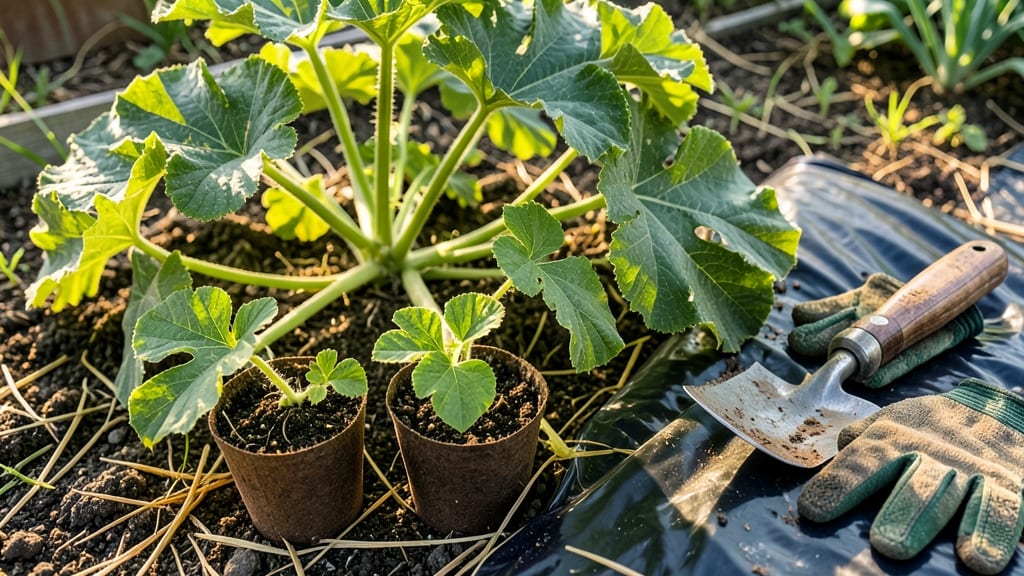
Planting watermelon in Missouri after the last frost date — typically mid-April to mid-May — sets you up for a bountiful harvest when summer heat arrives.
Missouri’s warm summers are perfect for growing juicy, homegrown watermelons—but planting them too early or late can ruin your harvest. Timing is everything, and getting it right means the difference between a thriving vine and a wasted season.
Soil temperatures must reach at least 70°F before seeds go in, and Missouri’s unpredictable late frosts can still sneak in as late as April. That’s why waiting until mid-May in cooler zones like 5b is often safer than rushing.
Below, I’ll walk you through the exact frost-free timeline for your region, soil prep tips to beat Missouri’s heavy clay, and how to extend your season with row covers or black plastic mulch.
Missouri watermelon planting timeline: frost dates & heat requirements
Missouri’s warm summers create perfect conditions for growing watermelons, but timing your planting is critical. The last frost dates vary across the state, and soil temperatures must reach at least 70°F for seeds to germinate properly.
In USDA zones 5b-6b, getting this wrong can mean stunted plants or no harvest at all.
For most of Missouri, the frost-free window spans from mid-April to mid-May, but exact dates depend on your location. St. Louis typically sees its last frost around April 15, while Kansas City and Springfield may wait until April 20-25.
Always check local forecasts to avoid planting too early and risking frost damage.
| Region | Last Frost Date | First Frost Date | Soil Temp Threshold | Ideal Planting Window |
|---|---|---|---|---|
| St. Louis | April 15 | October 15 | 70°F+ | Mid-April to May 15 |
| Kansas City | April 20 | October 10 | 70°F+ | Late April to May 10 |
| Springfield | April 25 | October 5 | 70°F+ | Late April to May 5 |
Watermelons thrive in warm soil, so never plant before the ground reaches 70°F. Use a soil thermometer to check—cold soil delays germination and weakens seedlings. In Missouri, this usually aligns with late April to early May, but early varieties like ‘Sugar Baby’ can tolerate slightly cooler soil.
For direct sowing, wait until all danger of frost has passed and soil is warm. In St. Louis, this is typically May 1-15, while Kansas City and Springfield may wait until May 10-25.
If you’re using transplants, start seeds indoors 4-6 weeks before your last frost date for an earlier harvest.
Missouri’s humidity and heat can stress watermelon plants if not managed properly. After planting, use black plastic mulch to warm the soil faster and retain moisture. This is especially helpful in northern Missouri, where soil warms slower.
Always plant in full sun—watermelons need 6-8 hours of sunlight daily to produce sweet fruit.
If you’re growing late varieties like ‘Crimson Sweet’, you can extend your planting window into early June. These varieties have longer mature days (75-90 days) and can handle Missouri’s shortened summer in northern areas.
However, avoid planting after June 15, as vines may not mature before the first frost.
One common mistake in Missouri is planting watermelons too early to avoid frost. Cold soil and chilly nights can stunt growth, leading to poor yields. Instead, use row covers or cold frames for early starts, then remove them once soil warms.
This gives you a 2-week head start without risking frost damage.
For container growing, choose dwarf varieties like ‘Tiny Tim’ and plant after the last frost. Containers warm up faster than garden soil, so you can start slightly earlier—around April 20-30 in most of Missouri.
Just ensure containers have drainage holes and are at least 12 inches deep to accommodate roots.
Finally, always monitor local weather forecasts for late frosts, especially in northern Missouri. If frost is predicted after planting, cover seedlings with frost cloth or move containers indoors temporarily. With the right timing, you’ll enjoy homegrown watermelons from July through September—just in time for summer picnics! 🍉
Soil preparation & pre-planting checklist for Missouri watermelons
Missouri’s clay-heavy soils can be a gardener’s challenge, but with the right prep, you’ll create the perfect growing conditions for watermelons. These vining plants thrive in well-draining, nutrient-rich soil with a pH between 6.0 and 6.8.
If your soil tests outside this range, don’t worry—simple amendments can make all the difference for a bountiful harvest.
Before planting, focus on organic matter enrichment and drainage improvements. Missouri’s clay tends to compact easily, which can suffocate roots and lead to poor growth. Adding compost or aged manure will loosen the soil while providing essential nutrients.
Aim for at least 2-3 inches of organic matter worked into the top 12 inches of soil.
📌 Missouri Watermelon Soil Prep Checklist
- 🔹 Test soil pH (aim for 6.0–6.8); amend with lime (pH <6.0) or sulfur (pH >6.8).
- 🔹 Till in 3–4 inches of compost or aged manure to improve drainage and fertility.
- 🔹 Break up clay clumps with a broadfork or rototiller to prevent compaction.
- 🔹 Plant in raised beds if drainage is poor or soil stays soggy after rain.
- 🔹 Add a 1-inch layer of mulch (straw or wood chips) to retain moisture and suppress weeds.
- 🔹 Choose companion plants like radishes, marigolds, or nasturtiums to deter pests and improve soil health.
Watermelons need full sun exposure (6–8+ hours daily) and warm soil temperatures (at least 70°F) to germinate. If your soil drains poorly, consider planting on mounds or raised beds to prevent root rot. This is especially important in Missouri’s humid summers, where waterlogged soil can invite fungal diseases.
For companion planting, pair watermelons with radishes or marigolds to naturally repel pests like cucumber beetles and aphids. Avoid planting near potatoes or squash, as they compete for nutrients and attract similar pests.
Marigolds, in particular, release a scent that confuses pests, making them an excellent addition to your watermelon patch.
After prepping your soil, mark planting spots with stakes or strings to give vines room to spread (they can reach 6–10 feet!). Space seeds or transplants 2–3 feet apart in rows 5–6 feet apart to ensure proper airflow and reduce disease risk.
In Missouri’s heat, drip irrigation is ideal—it delivers water directly to roots without wetting foliage, which can lead to mildew.
Finally, water deeply after planting to encourage root growth, but avoid overwatering. Watermelons need 1–2 inches of water weekly, but too much moisture can split fruits or attract pests. Mulching will help maintain even soil moisture and keep roots cool during Missouri’s scorching summers.