
Plants
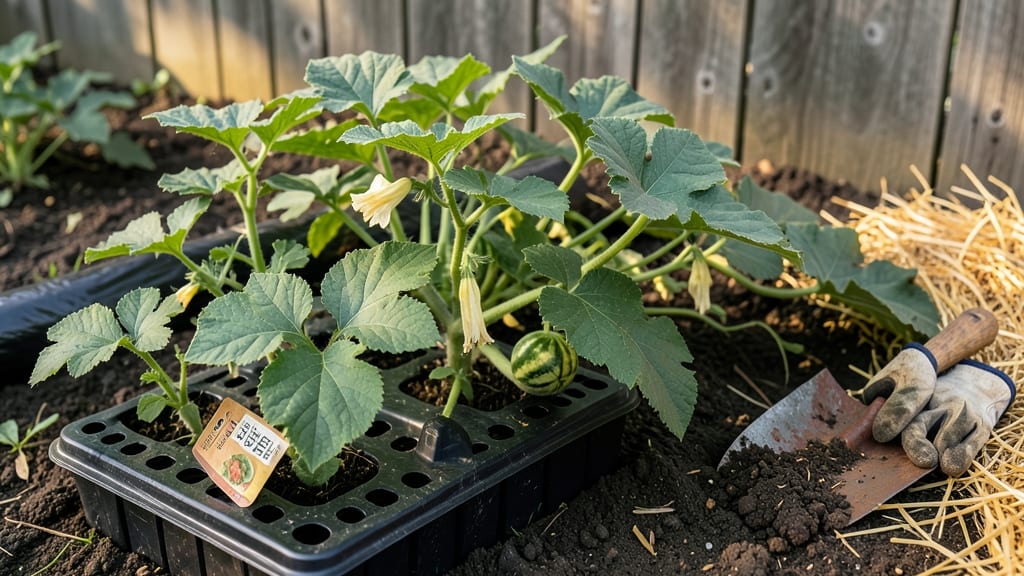
Plant watermelon in Missouri between mid-April and early June 🍉 — timing this right means the difference between a bountiful harvest and a wasted effort.
Missouri’s warm summers are perfect for growing juicy, homegrown watermelons—but timing is everything. Plant too early, and frost will kill your crop; too late, and you’ll miss the sweet harvest window.
This isn’t just about avoiding frost—it’s about soil warmth, too. Watermelon seeds need at least 70°F soil to germinate, and Missouri’s spring can be unpredictable. I’ll show you how to check soil temps, adjust planting dates by region, and even use black plastic to speed things up.
By the end, you’ll know exactly when to plant for your specific part of the state, whether you’re starting seeds indoors or sowing directly into the garden bed.
Missouri watermelon planting dates by region: frost zones & last-frost timelines
Missouri’s three distinct regions—Northern, Central, and Southern—each have unique frost timelines that dictate the best watermelon planting windows. Understanding these last-frost averages helps you avoid killing tender seedlings or missing the harvest window.
Let’s break down the ideal planting dates for each zone, including how to adjust for early or late frost years.
In Northern Missouri (USDA Zones 5b-6a), the average last frost date falls between April 15-30, but frost can linger until May 10 in colder years. This means you should wait until mid-to-late May to plant watermelon seeds directly in the ground.
For Central Missouri (Zones 6a-6b), the last frost typically occurs by April 1-15, allowing for earlier planting in early-to-mid April if soil temperatures are warm enough.
Southern Missouri (Zones 6b-7a) enjoys the earliest frost-free windows, with last frosts usually by March 15-April 1. Here, you can start planting as early as mid-March in protected microclimates or late March for direct sowing. However, always confirm soil temperatures—watermelons need at least 70°F to germinate properly.
🌱
If you’re unsure about your exact last-frost date, check local records from the National Weather Service or use a frost calendar from your county extension office.
For example, Columbia (Central MO) averages its last frost on April 5, while Kansas City (Northern MO) typically sees frost until April 20. These differences can shift your planting window by 2-4 weeks.
For gardeners in microclimates—like south-facing slopes or urban heat islands—you can plant 1-2 weeks earlier than the regional average. Conversely, low-lying areas or northern exposures may need a delayed planting schedule to avoid frost damage.
Always monitor soil temperatures with a thermometer; watermelon seeds won’t sprout below 65°F, and optimal germination occurs at 75-90°F.
Another pro tip: use black plastic mulch or row covers to warm the soil faster and extend your planting window. In Northern Missouri, this can push your start date back by 10-14 days. Just remember to remove covers once vines emerge to prevent overheating.
For Southern Missouri, where early planting is possible, focus on soil prep—watermelons thrive in well-draining, sandy loam with a pH of 6.0-6.8.
If frost threatens after planting, protect seedlings with frost cloth or a mini greenhouse. In late frost years, consider succession planting—sow a second batch in early June for a fall harvest.
This works especially well in Central and Southern Missouri, where the growing season stretches into October.
🌿
Finally, keep an eye on historical frost data for your specific area. For instance, St. Louis (Zone 6b) has seen late frosts as late as May 10 in 2002, while Springfield (Zone 7a) rarely experiences frost after April 1.
By aligning your planting with these long-term patterns, you’ll maximize your chances of a bountiful watermelon harvest.
✂️
Optimal soil temperature & watermelon germination secrets for Missouri gardens
Watermelons are heat-loving plants that refuse to germinate in cold soil, making soil temperature your biggest ally in Missouri’s unpredictable springs. While air temperatures might feel warm, your soil could still be too cold for watermelon seeds—often 10-15°F cooler than surface readings.
This mismatch is why many gardeners see slow or failed germination, even when planting at the "right" time.
For watermelon seeds to sprout, your soil must reach a minimum of 65°F, with ideal germination occurring at 75-95°F. In Missouri’s USDA Zones 5b-6b, this typically happens mid-to-late May in most regions, but northern areas like St. Louis may need to wait until early June.
Southern Missouri can sometimes plant as early as early May, but always verify with a soil thermometer.
⚠️ callout-warning
Planting watermelon seeds in soil below 65°F leads to:
- Slow germination (weeks instead of days)
- Seed rot from damp, chilly conditions
- Weak seedlings that struggle to compete with weeds
Missouri’s last frost dates (April 15 in north to May 1 in south) are not your planting cue—soil temperature is!
To test your soil temperature, use a soil thermometer (available for $10-$15 at garden centers). Insert it 2-3 inches deep—the depth where watermelon seeds will germinate—and check readings in the morning for accuracy.
If your soil is below 65°F, don’t plant yet. Instead, use these three proven methods to warm it up:
1. Black Plastic Mulch: This is my go-to trick for Missouri gardens. Lay down 1-2 mil black plastic sheeting over your planting beds 2-3 weeks before you plan to sow seeds.
The plastic absorbs sunlight and raises soil temps by 5-10°F, often bringing cold beds up to germination-friendly levels in 7-10 days. Cut small X-shaped slits in the plastic where you’ll plant seeds.
2. Straw or Grass Mulch: For a chemical-free option, spread 4-6 inches of straw or dried grass over the soil. This traps heat during the day and insulates at night.
Replenish mulch every 3-4 days to maintain warmth. This method works best in southern Missouri where springs warm up faster.
3. Row Covers or Cold Frames: If you’re planting early in northern Missouri, use floating row covers or clear plastic cold frames to create a mini greenhouse effect.
These can raise soil temps by 10-15°F and protect seedlings from late frosts. Remove covers once seeds sprout to prevent overheating.
Once your soil hits 70°F+, plant watermelon seeds 1 inch deep and 6-12 inches apart in hills. In Missouri’s heat, watermelons grow fastest when soil stays consistently warm, so avoid working the soil when it’s dry or compacted.
Add 2-3 inches of compost before planting to improve drainage and water retention—critical for vining plants that spread 6-10 feet wide.