
Companion Plants
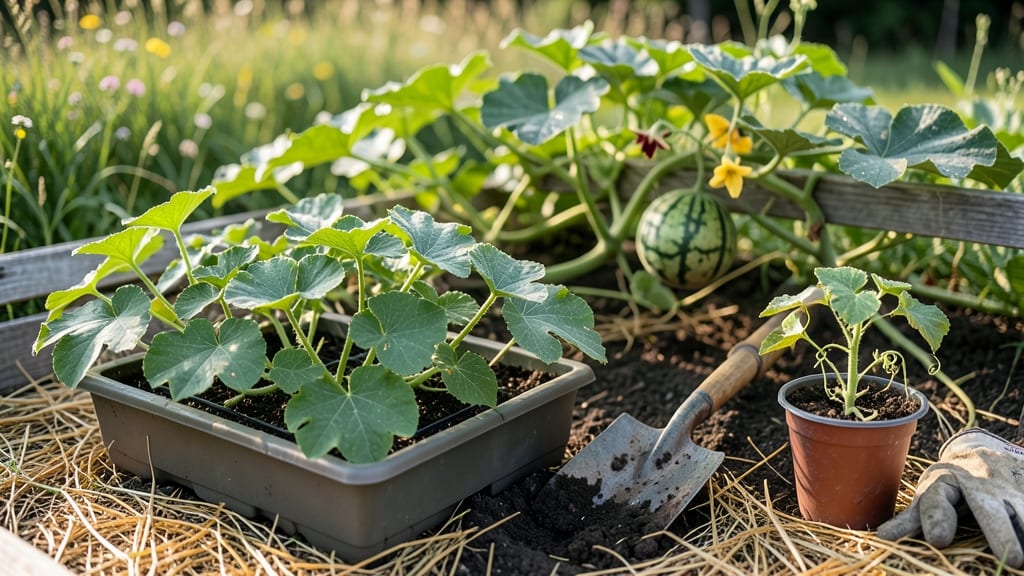
Plant watermelon in Pennsylvania after the last frost, when soil temperatures hit at least 70°F—typically late April to early May for most of the state.
Pennsylvania’s varied climate—from the cool mountains to the humid valleys—can make watermelon planting tricky, but timing is everything for sweet, bountiful harvests. Get the dates wrong, and you’ll risk frost damage or stunted growth.
Whether you’re in USDA Zone 5b or 7a, the key is waiting for warm soil and consistent daytime temperatures above 75°F. Direct sowing is the most common method, but transplants can give you a head start in shorter-season areas.
Below, I’ll break down the best planting windows by zone, soil prep tips to speed up germination, and how to protect young vines from late frosts—so you can enjoy homegrown 🍉 by July.
Pennsylvania watermelon planting dates by USDA hardiness zones
Pennsylvania’s USDA Zones 5b-8a create unique challenges for watermelon growers, where late spring frosts and short growing seasons demand precise timing. Unlike heat-loving southern states, PA’s soil temperature must reach 70°F+ before planting—often 2-3 weeks after the last frost date.
Here’s how to align your planting with your zone’s frost-free window for maximum success.
Most gardeners in PA wait until mid-May to plant watermelons, but this varies by zone. Zone 5b (northwest PA) may need to wait until late May, while Zone 8a (southeastern PA) can start as early as mid-April if soil is warm. Transplants give you a 2-week head start over direct sowing, but they must also avoid cold soil.
Use this zone-specific planting calendar as your guide, but always check a 7-day forecast before planting. A single night below 50°F can stunt young seedlings, so black plastic mulch is your best friend in cooler zones.
For Zone 6a-7a, aim for May 1-15—this gives watermelons 90-120 days to mature before frost.
🌱
| Zone | Last Frost Date | Soil Temp Ready | Direct Sow Window | Transplant Window | Harvest Window |
|---|---|---|---|---|---|
| 5b (Erie, State College) | May 5-15 | 70°F+ (late May) | May 20-June 5 | May 1-15 (start indoors) | Late July-Sept 15 |
| 6a (Pittsburgh, Harrisburg) | April 25-May 5 | 70°F+ (early May) | May 10-25 | April 15-May 1 (start indoors) | Early July-Aug 30 |
| 6b (Lancaster, Reading) | April 15-25 | 70°F+ (mid-April) | April 25-May 10 | April 1-May 1 (start indoors) | June 15-Aug 15 |
| 7a (Philadelphia, Allentown) | April 1-10 | 70°F+ (early April) | April 15-May 1 | March 15-April 1 (start indoors) | Late June-Sept 1 |
| 8a (Delaware Water Gap) | March 20-April 5 | 70°F+ (mid-March) | April 1-15 | March 1-April 1 (start indoors) | May 15-Sept 10 |
For Zone 5b gardeners, transplants are your best bet—start seeds indoors 4-6 weeks before your last frost date. Use biodegradable pots to avoid root shock when transplanting after May 15.
In Zone 6a-7a, you can direct sow as early as mid-April if you use row covers or black plastic mulch to warm the soil faster.
If you’re in Zone 8a, you can push the envelope and plant early varieties like ‘Sugar Baby’ as soon as soil warms. These 60-day varieties can mature before July’s heat peaks, giving you a second harvest in late summer.
Just be prepared to mulch heavily to retain moisture during PA’s humid summers.
Pro tip: Use a soil thermometer to confirm soil temps—70°F+ at 2 inches deep is non-negotiable. Cold soil slows germination and invites damping-off disease. If your soil is still cool, wait 1-2 weeks—rushing leads to poor germination and weak seedlings.
🌿
Watermelons need 90-120 days to mature, so calculate backward from your first frost date. For example, in Zone 6a, with a Sept 15 frost, you have <
How to adjust watermelon planting for Pennsylvania’s microclimates
Pennsylvania’s diverse landscapes—from the Pocono Mountains to Pittsburgh’s river valleys—create unique growing conditions for watermelons. Urban gardens in Philadelphia face heat islands, while high-altitude areas like State College experience cooler nights.
Adjusting your planting strategy for these microclimates can mean the difference between a thriving vine and a failed harvest.
In river valleys, warmer air pockets allow earlier planting, while mountain regions often require delayed starts to avoid late frosts. Even within cities, rooftop gardens or backyard plots may need extra protection. Understanding these variations helps you choose the right planting dates and growing techniques for your specific location.
⚠️ PA-Specific Planting Pitfalls
Don’t plant watermelons too early in Zone 5b (e.g., Poconos) before soil reaches 70°F—seeds rot in cold soil. In urban heat islands (e.g., Pittsburgh), avoid planting after June 15 unless using shade cloth to prevent bolting. Common mistakes include ignoring microclimate frost risks or skipping black plastic mulch in cooler areas.
For urban gardens with limited space, opt for compact varieties like ‘Sugar Baby’ and use containers or vertical trellises. In high-altitude areas, extend the season with row covers or hoop houses to protect young plants from unpredictable frosts.
These structures also help trap heat, speeding up soil warming in spring.
Black plastic mulch is a game-changer for PA gardeners. It warms soil 10-15°F faster than bare earth, allowing earlier planting in cooler zones. Lay it down 2-3 weeks before sowing seeds to create an ideal 70°F+ environment. Pair it with drip irrigation to maintain moisture without overwatering.
If you’re in a river valley like Pittsburgh, take advantage of the urban heat island effect by planting 2-3 weeks earlier than official frost dates suggest.
Monitor soil temperature with a probe—wait until it consistently hits 70°F before sowing. For mountain regions, delay planting until after Memorial Day to avoid late frosts.
To extend the growing season in short-season areas, use cold frames or hoop houses to start seeds indoors 4-6 weeks before the last frost. Transplant seedlings outdoors when soil is warm, then remove protective coverings once plants are established.
This method adds 30-45 extra days to your growing season, perfect for late-maturing varieties.
Regardless of your microclimate, avoid these common mistakes: planting seeds too deeply (1 inch max), skipping mulch in high-altitude areas, or overwatering. Watermelons thrive with consistent moisture but hate soggy soil.
Use drip irrigation or soaker hoses to deliver water directly to roots, reducing disease risk in PA’s humid summers.