
Plants
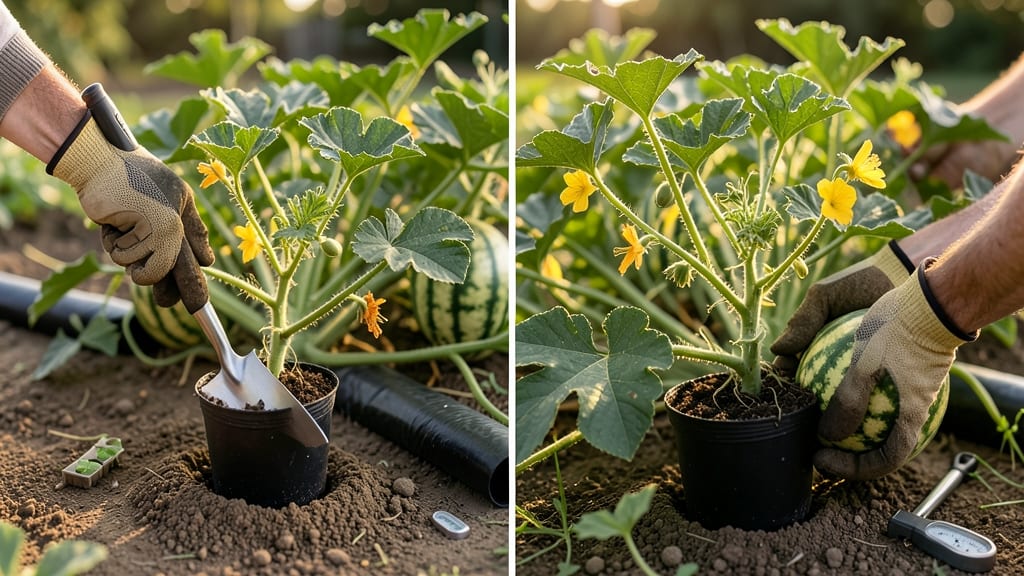
To plant watermelons in Arkansas, aim for mid-April to mid-May when soil temperatures hit 70°F+ and frost risk fades away 🍉.
Arkansas gardeners know the difference between a thriving watermelon patch and a failed harvest often comes down to timing—plant too early, and frost will strike; too late, and summer’s heat arrives too soon.
In USDA Zones 7a-8b, the last frost date typically falls around March 15, but soil warmth is the real game-changer. Watermelons need 60°F+ soil to germinate, but they’ll bolt—or worse, rot—if planted in cold, damp earth.
Here’s what you’ll learn: how to check soil temps, adjust for Arkansas’ microclimates, and avoid the 3 biggest mistakes that turn vines into sad, fruitless sprawls.
Optimal planting dates for Arkansas watermelons based on frost risk
Arkansas’s diverse climate—from the cooler Northwest to the humid Southeast—means watermelon planting dates vary by region. The key to success is aligning your schedule with soil temperatures (minimum 60°F) and frost-free dates.
Plant too early, and frost will kill tender seedlings; too late, and summer’s heat may stress young vines before fruiting.
Watermelons thrive in USDA Zones 7a-8b, but Arkansas spans Zone 6a in the Ozarks to Zone 9a in the Delta. Use the Arkansas Cooperative Extension’s frost maps to pinpoint your last spring frost date, then add 2-4 weeks before planting.
For example, Northwest Arkansas (Zone 7a) typically waits until mid-April, while Southeast Arkansas (Zone 8a) can start as early as late March.
Soil temperature is just as critical as frost dates. Watermelon seeds won’t germinate below 60°F, and vines struggle to establish in cooler soils. Use a soil thermometer (available at garden centers) to confirm readiness.
In Northwest Arkansas, wait until soil hits 70°F—often late April or early May—while Southeast Arkansas can plant earlier when soils warm faster.
For gardeners in Zone 7a (e.g., Fayetteville or Rogers), consider starting seeds indoors under grow lights 4-6 weeks before the last frost. Transplant seedlings outdoors once soil warms to 65°F and nighttime temperatures stay above 55°F.
Harden off seedlings by placing them outdoors for 2-3 hours daily the week before transplanting to avoid shock.
In humid Southeast Arkansas, where summers arrive early, prioritize black plastic mulch to warm soil faster. Lay mulch 1-2 weeks before planting to raise soil temperatures by 5-10°F.
This trick lets you plant 2-3 weeks earlier than the table suggests, giving vines a head start before Arkansas’s brutal summer heat peaks in July and August.
Watch for false springs, where warm weather lures you into planting early, only for a late frost to strike. Check the National Weather Service’s 14-day forecast and local Arkansas Agri-Weather updates.
If frost is predicted after planting, cover seedlings with frost cloth or a row cover tunnel until temperatures stabilize.
Adjust for microclimates in your yard. South-facing slopes warm faster than shaded areas, while low-lying spots may stay cooler longer. Plant heat-tolerant varieties like Crimson Sweet or Sugar Baby in cooler regions, and opt for fast-maturing types like Black Diamond in hotter zones to avoid summer stress.
Once planted, watermelons need consistent moisture to develop sweet fruit. In Arkansas’s high humidity, water deeply every 3-5 days to prevent blossom-end rot. Use drip irrigation to keep foliage dry, reducing fungal diseases like powdery mildew, which thrives in Arkansas’s muggy summers.
Plan your harvest for July through September, before the first frost (typically mid-November in most regions). Varieties like Charleston Gray mature in 75-85 days, while
How to adjust planting for Arkansas’ microclimates and heat waves
Arkansas’ humid subtropical climate creates microclimates that can shift watermelon success from thriving to struggling. In the Delta region, summer heat arrives early, while the Ozark Mountains stay cooler longer. These variations mean your planting strategy must adapt to local conditions—especially when heat waves hit before melons mature.
To combat Arkansas’ unpredictable summer heat, I’ve refined my approach over years of trials. The key is extending the growing season through smart timing, soil warming, and water management.
Even a single degree difference in soil temperature can mean the difference between a bountiful harvest and a failed crop. Let’s break down actionable strategies tailored to Arkansas’ climate quirks.
- 🔥 Use black plastic mulch to raise soil temps 10-15°F faster than bare ground—critical in northern Arkansas where cool springs delay planting.
- 🌱 Transplant hardened starts after May 1 in most zones to avoid late spring frosts while ensuring vines establish before July heat waves.
- 💧 Drip irrigation at soil level prevents leaf scorch from Arkansas’ high humidity + intense sun—water in early morning to reduce fungal risks.
- ☀️ Orient rows north-south to maximize sun exposure while minimizing shade competition between vines—essential in dense Arkansas summers.
- 🌿 Plant heat-tolerant varieties like ‘Crimson Sweet’ or ‘Sugar Baby’—they thrive in 90°F+ temps better than standard types.
One of my biggest lessons learned is that soil temperature matters more than air temperature. In Central Arkansas, I’ve seen 60°F soil stall germination even when daytime highs reach 85°F. Use a soil thermometer to confirm 70°F+ before planting—this is non-negotiable for watermelons.
For northern Arkansas gardeners, consider row covers to create a mini greenhouse effect and push your planting window 2-3 weeks earlier.
Arkansas’ humidity spikes during summer can turn watermelon leaves into fungal magnets. I’ve had entire patches fail from powdery mildew when I ignored proper spacing—watermelons need 3-4 feet between plants for airflow. Pair this with mulching (straw or grass clippings) to reduce soil splashing onto leaves.
In southern Arkansas, where humidity hovers near 80% year-round, I add a weekly copper fungicide spray as a preventive measure.
For gardeners in heat-prone areas like the Arkansas River Valley, shade cloth during peak afternoon sun (2 PM–5 PM) can protect young plants while they establish.
I’ve also had success with vertical trellising for bush varieties—this saves space and reduces heat stress on the fruit by keeping it off the scorching ground. Just remember: watermelons need sunlight, so limit shade cloth to 30-40% coverage.
Finally, harvest timing becomes critical when fall temperatures drop. In Zone 7a, I start harvesting by early September to beat the first frost, while Zone 8b gardeners can extend until mid-October.
Always check for deep rind stripes and a creamy underside—these are your harvest cues before Arkansas’ unpredictable weather turns against you.