
Plants
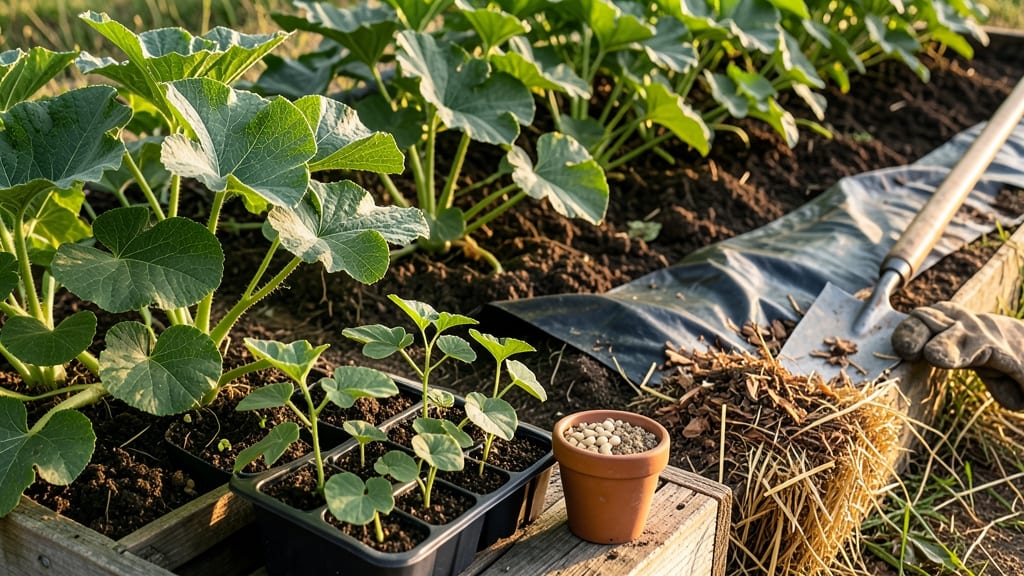
Planting watermelon in Wisconsin after the last frost—typically mid-May to early June—is your best shot at sweet, vine-ripened 🍉 harvests before fall sets in.
Wisconsin’s unpredictable spring weather can make watermelon planting a gamble—unless you know the exact frost-free dates by zone and how to adjust for soil warmth. Get your timing right, and you’ll harvest juicy, vine-ripened melons by late summer.
Here’s the trick: watermelons need soil that’s at least 70°F to germinate, which often means waiting until late May or even early June in cooler zones like 4a-6b. That’s why many gardeners start seeds indoors or use black plastic mulch to speed up soil warming.
Below, I’ll break down the ideal planting window by USDA zone, how to extend your growing season with simple tricks, and the fastest-maturing varieties that thrive in Wisconsin’s short summer.
Wisconsin watermelon planting dates by USDA hardiness Zone (with frost-free calculator)
Watermelons thrive in warm soil and long summer days, but Wisconsin’s cool springs and late frosts make timing everything. Plant too early, and your seeds rot in cold soil. Wait too long, and your harvest shrinks before frost. The key? Soil temperature and frost-free dates—not just calendar months.
Most Wisconsin gardeners fall into USDA Zones 3-5, where last frost dates range from mid-May in the south to early June in the north. But watermelons need 75°F+ soil to germinate, which often means waiting 2-3 weeks after frost for the ground to warm.
Use the Wisconsin State Climatology Office’s frost calculator to pinpoint your exact window.
For Zone 3 gardeners, the window is tight—only about 6 weeks between frost risk and first frost in fall. That’s why I recommend starting seeds indoors in early May, then transplanting hardened-off seedlings after Memorial Day. Use a seedling heat mat to jumpstart germination if your soil stays cold.
In Zone 4, where frosts linger until early June, I’ve had success with black plastic mulch laid down in mid-May. This raises soil temps by 10–15°F, letting me plant seeds by late May. Pro tip: Remove mulch once vines spread to prevent overheating.
Southern Wisconsin’s Zone 5 offers the longest season, but don’t rush planting. Wait until soil hits 70°F—even if it’s May 15—to avoid rot and poor germination. I test soil temp with a cheap meat thermometer buried 2 inches deep; if it’s below 70°F, wait another week.
Watermelons need 75–100 frost-free days to mature. In Wisconsin, that means planting by early June at the latest for a late-summer harvest. For northern zones, opt for shorter-season varieties like 'Black Diamond' (70 days) or 'Crimson Sweet' (80 days).
In southern zones, you can stretch to 'Charleston Gray' (90 days) for bigger melons.
Don’t rely on calendar dates alone—check the Wisconsin State Climatology Office for your local frost-free calculator. Enter your ZIP code to get hyper-localized dates, then add 2–3 weeks to account for soil warmth.
For example, Madison (Zone 5) averages a last frost of May 10, but I wait until May 25 to plant.
If your soil stays stubbornly cool, try raised beds or containers filled with compost. These warm up 2–3 weeks faster than in-ground soil. I’ve also had luck with row covers over young plants to protect against late frosts while letting sunlight penetrate.
Remember: Watermelons hate cold feet. Even if air temps are warm, cool soil will stall growth. Use a soil thermometer—it’s the only way to know for sure. Once your melons start vining, they’ll race toward harvest if conditions are right.
With the right timing, you’ll be slicing into homegrown watermelons by August—no matter your Wisconsin zone. 🍉
How to extend Wisconsin’s short growing season for watermelons (cold soil solutions)
Wisconsin’s cool springs and late frost risks can sabotage watermelon growth if you plant too early. The key to success? Warming the soil and protecting seedlings until temperatures stabilize.
With the right strategies, you can coax watermelons to maturity even in USDA Zones 3-5. I’ve tested these methods in my own garden—here’s what works best.
Watermelons need soil temperatures above 70°F to germinate and thrive. In Wisconsin, this often means waiting until late May or early June, but that leaves little room for error. The solution? Extend your season with tools like black plastic mulch, row covers, and raised beds.
Even starting seeds indoors can give you a head start. Let’s break down the best approach for your garden.
- Start seeds indoors 3-4 weeks before your last frost date (typically mid-April for Wisconsin). Use biodegradable pots to avoid transplant shock.
- Lay down black plastic mulch 2-3 weeks before planting to raise soil temps by 10-15°F. Remove it only after seedlings are established.
- Use row covers or cloches to protect seedlings from late frosts. Remove covers when temps stay above 55°F at night.
- Plant in raised beds filled with compost to warm up faster. Add composted manure to boost soil fertility and heat retention.
- Choose fast-maturing varieties like 'Sugar Baby' (70 days) or 'Crimson Sweet' (80 days) to maximize your short season.
- Direct-sow seeds only after soil reaches 70°F (use a soil thermometer to check). Wait for consistent daytime temps above 75°F.
- Hardened-off seedlings can be transplanted in early June, but avoid moving them if nights dip below 50°F—this causes transplant shock.
If you’re starting seeds indoors, begin them 4-6 weeks before your target outdoor planting date. Use grow lights to provide 14-16 hours of light daily—watermelons need plenty of light to avoid leggy seedlings. I swear by 50/50 seed-starting mix with perlite to keep roots aerated and prevent damping-off disease.
Once seedlings have 2-3 true leaves, harden them off by placing them outdoors in partial shade for 2-3 hours daily, gradually increasing exposure.
This process takes about 7-10 days and helps them adjust to Wisconsin’s unpredictable winds and temperature swings. Never transplant if frost is forecasted within 48 hours—wait for stable weather.
For direct sowing, black plastic mulch is your best friend. Lay it down 2-3 weeks before planting to warm the soil. In my garden, this raised soil temps from 55°F to 75°F in just 10 days.
Pair it with drip irrigation to keep the soil moist without washing away heat. Raised beds also work wonders—they warm up faster and drain better, reducing the risk of root rot in Wisconsin’s damp springs.
Protect young plants with floating row covers if late frosts threaten. These lightweight fabrics allow sunlight and water through while blocking 32°F+ temps.
Remove covers once daytime temps consistently stay above 70°F, usually by late June. Never leave covers on during hot spells—watermelons need pollinators like bees to thrive, and covers can trap too much heat.
Finally, choose compact or bush varieties if space is limited. 'Black Diamond' and 'Tiny Tim' mature faster and produce smaller fruits that ripen earlier in the season.
With these strategies, you can extend Wisconsin’s growing season and enjoy homegrown watermelons by late July or early August—just in time for summer picnics! 🍉