
Plants
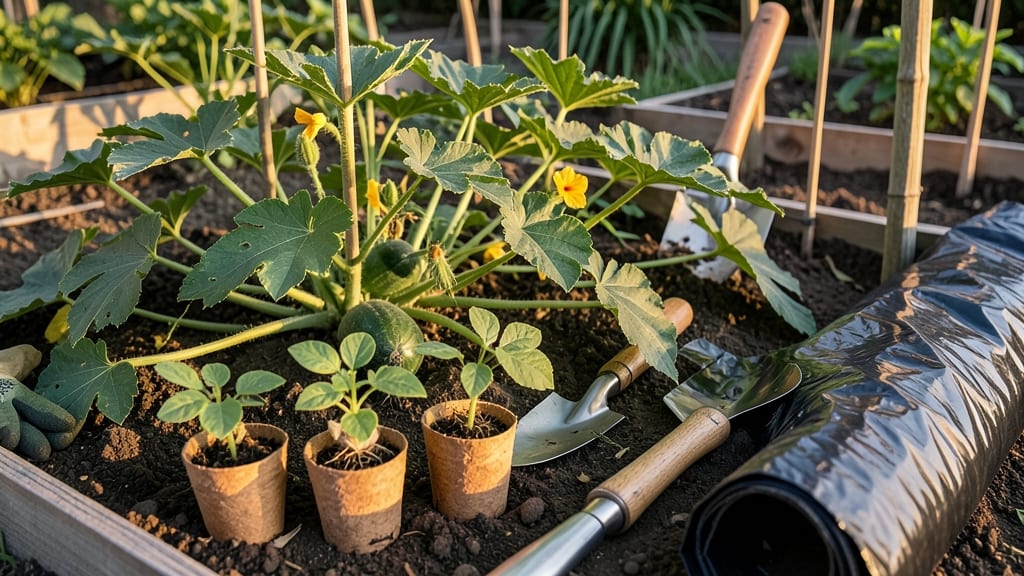
To plant watermelon in Zone 7 after the last frost and when soil hits 70°F ensures fast germination and a full summer harvest.
Watermelon lovers in Zone 7 know timing is everything—plant too early and risk frost damage, too late and your vines won’t mature before summer’s end. But with the right schedule, you can harvest juicy, ripe melons in just 75-90 days.
Most gardeners in 7a-7b wait until mid-April to early June, but soil temperature is the real game-changer. Cold soil slows germination, while heat-tolerant varieties like Sugar Baby can stretch your window if you act fast.
Below, I’ll break down the exact dates, soil prep tricks, and how to extend your harvest—so you’re not left with vines but no melons by Labor Day.
Optimal planting dates for watermelon in Zone 7 (with frost risk analysis)
In Zone 7, watermelon planting hinges on two critical factors: soil temperature and last frost dates. While the average last frost occurs around mid-April, your melons won't germinate until the soil warms to 70°F+.
This typically happens by late April to early May, but cooler springs may delay it until mid-May. Planting too soon risks frost damage or slow germination, while waiting too long may cut your harvest short.
For direct sowing, aim for April 20–May 15 in most of Zone 7. If you use transplants (which warm up faster), you can start as early as April 1–April 15, provided nighttime temperatures stay above 55°F.
Always check your local microclimate—valleys and low-lying areas frost later than hillsides.
Here’s the key: Watermelons need 75–90 days to mature. Planting after June 1 risks harvests arriving in late August or September, when nights cool and fruit quality declines. Use fast-maturing varieties (like Sugar Baby or Crimson Sweet) for late starts.
To test soil temperature, use a soil thermometer buried 2 inches deep for 3 days. If readings dip below 70°F, delay planting. In Zone 7a (cooler microclimates), wait until May 1—frost can linger until April 30.
For Zone 7b, you might squeeze in an April 25 start, but monitor weather forecasts.
Pro tip: Use black plastic mulch 2–3 weeks before planting to raise soil temperature 5–10°F. This lets you plant 10–14 days earlier safely. Pair it with row covers for early starts to protect seedlings from late frosts (which can hit Zone 7 until May 10 in some areas).
If you miss the ideal window, don’t panic. Succession planting works for watermelons! Sow a second batch June 1–15 using fast varieties like Black Diamond (70-day harvest).
Just accept smaller yields—these melons won’t reach full size. For transplants, buy 4-inch pots from nurseries in early May if your spring was slow.
Remember: Watermelons hate cold feet. Even if air temperatures are warm, cool soil stalls germination. For extra insurance, pre-warm seeds by soaking them in 80°F water for 12 hours before planting. This jump-starts growth and gives you a 5–7 day head start on seedlings.
For Zone 7 gardeners, the sweet spot is May 1–15. This gives you a 90-day window to harvest before late-September frosts (which can damage vines). Use drip irrigation to maintain consistent moisture—watermelons need 1–2 inches of water weekly but hate soggy soil.
Track your first frost date locally—some Zone 7 areas (like western NC) frost by October 15, while others (like central VA) hold off until November 1.
Plan accordingly: Harvest before temps drop below 50°F at night, or use row covers to extend the season by 2–3 weeks.
How to extend your watermelon growing season in Zone 7 (succession planting & cold protection)
Zone 7 gardeners know that watermelons need warm soil and long growing days to thrive. But with the right tricks, you can stretch your harvest well into late summer or even early fall. The key? Succession planting and protective measures to shield young vines from unexpected chills.
By using row covers, black plastic mulch, and heat-tolerant varieties, you can push your harvest timeline by 3-4 weeks. This means more time to enjoy those sweet, juicy melons before cooler weather sets in.
Let’s dive into the best strategies to make it happen in your garden.
- 📅 Staggered Planting: Sow seeds in 3 batches every 2 weeks from mid-April to early June for continuous harvests.
- 🌡️ Black Plastic Mulch: Warms soil 10-15°F faster than bare ground, speeding up germination and growth.
- 🛡️ Row Covers: Use floating row covers for early plantings to protect from late frosts (remove when flowers appear).
- 🍉 Heat-Tolerant Varieties: Choose Sugar Baby or Crimson Sweet—both mature in 70-75 days and handle heat better.
- 💧 Deep Watering: Keep soil consistently moist (1-2 inches per week) to prevent stress during hot spells.
One of my favorite methods is succession planting. Instead of planting all your seeds at once, space them out in 2-week intervals. This ensures you’ll have melons ripening at different times, giving you a continuous harvest from July through September.
For example, plant your first batch in mid-April, the second in early May, and the last in late May.
Don’t overlook the power of black plastic mulch. This simple tool can raise soil temperatures by 10-15°F, helping seeds germinate faster and vines grow stronger.
Just lay it down a few weeks before planting and create small holes for your seeds. It also suppresses weeds and retains moisture—three benefits in one!
For those late-summer harvests, consider using row covers on your earliest plantings. These lightweight fabrics protect young vines from unexpected frosts while still allowing sunlight and water to pass through.
Once your plants start flowering, you can safely remove the covers to encourage pollination. Just be sure to secure them tightly to avoid pests.
Finally, always opt for heat-tolerant varieties like Sugar Baby or Crimson Sweet. These varieties mature in 70-75 days and can handle the higher temperatures of late summer better than traditional types. Pair them with your succession planting schedule, and you’ll have melons ready to pick well into the fall.
With these strategies, you’ll turn your Zone 7 garden into a watermelon powerhouse, enjoying fresh, homegrown fruit long after your neighbors’ plants have given up. Happy growing! 🍉