
Plants
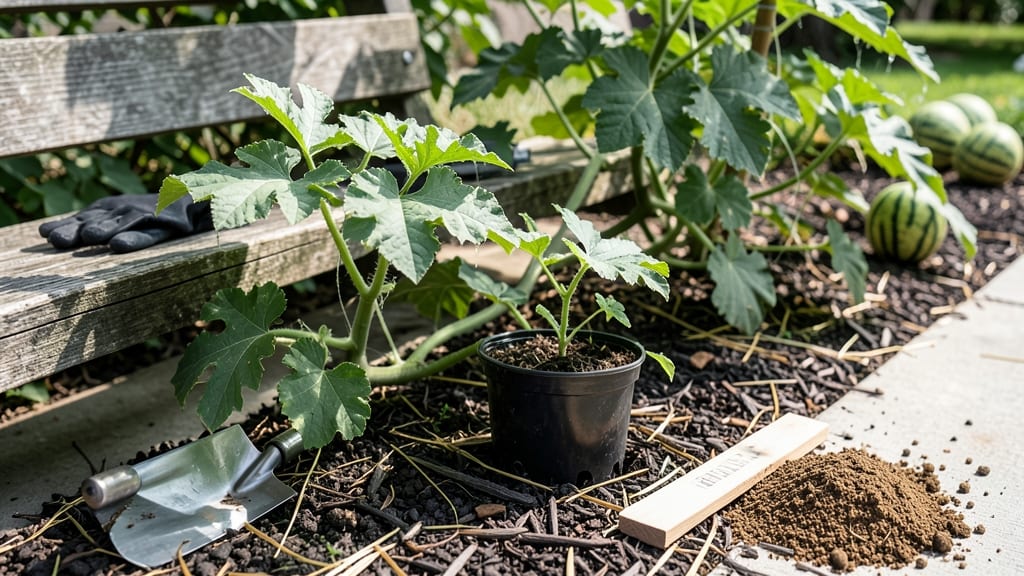
Planting watermelon in Zone 8b after your last frost date — around mid-April — is the key to unlocking faster germination and sweeter fruit.
If you've ever watched your seedlings shiver under a late frost or struggled with bitter melons because you planted too late, you know timing matters. In Zone 8b, the window is narrow: too early and frost zaps your tender sprouts; too late and the heat arrives before the vines mature.
But with the right approach, you can hit that sweet spot every time.
Here’s the secret: soil temperature matters more than calendar dates. Watermelons won’t germinate well until the ground hits 70°F, which in Zone 8b usually lands in early May. That’s why even experienced gardeners adjust their planting based on soil thermometers, not just the frost-free date.
Below, I’ll walk you through the exact dates, soil prep tricks to speed up growth, and companion plants that boost flavor — so you can go from seed to harvest in record time.
Optimal planting dates for watermelon in Zone 8b based on last frost
In Zone 8b, where the last frost typically occurs around March 15, timing your watermelon planting correctly is the key to avoiding frost damage while maximizing sweetness. Watermelons thrive in warm soil—70°F (21°C) or higher—and need 90-120 frost-free days to mature.
Planting too early risks stunted growth, while waiting too long can shorten your harvest window.
For direct sowing, aim for mid-April to early May once soil temperatures consistently stay above 70°F. If you prefer transplanting seedlings, start them indoors 4-6 weeks before your target outdoor date. This gives you flexibility to adjust based on unpredictable spring weather patterns common in Zone 8b.
Here’s a quick comparison of your planting options to help you decide which method aligns best with your schedule and climate:
If you’re planting directly in the garden, use a soil thermometer to confirm temperatures are stable at 70°F or higher. Cold soil delays germination and can lead to weak seedlings. For transplants, harden off seedlings gradually over 7-10 days before moving them outdoors to prevent shock.
Zone 8b gardeners can also take advantage of succession planting for a prolonged harvest. After your first planting in mid-April, add a second batch in early June to enjoy watermelons into late September.
This works best with shorter-maturing varieties like 'Sugar Baby' (70 days) or 'Crimson Sweet' (80 days).
Don’t forget to choose a sunny location with at least 6-8 hours of direct sunlight daily. Watermelons are heavy feeders, so amend your soil with compost or aged manure before planting. A slightly acidic to neutral pH (6.0-6.8) ensures optimal nutrient uptake for faster vine growth and sweeter fruit.
For those in cooler microclimates within Zone 8b, consider using black plastic mulch to warm the soil faster. This method can push your planting window 1-2 weeks earlier and improve germination rates. Just be sure to remove the mulch once vines start spreading to prevent overheating.
Pro tip: Mark your last frost date on your calendar and count backward 90 days to determine your ideal planting window. For Zone 8b, this lands you squarely in mid-April to early May.
Adjust slightly later if you experience unseasonably cool springs, which are becoming more common due to climate shifts.
Finally, monitor your local extended weather forecasts in late March. If a late frost warning appears, cover young seedlings with frost cloth or a row cover until temperatures stabilize. This extra precaution can save your crop and extend your growing season by 10-14 days.
How to adjust planting for faster germination and sweeter fruit in Zone 8b
Watermelons in Zone 8b thrive when you give them a head start—literally! By adjusting your planting strategy, you can shave weeks off germination time and boost sweetness. The key lies in three proven techniques: soil warming, seed pretreatment, and companion planting.
These methods work together to create ideal conditions for your vines to take off quickly and produce fruit with deeper flavor.
First, let's tackle the biggest bottleneck: cold soil. Watermelon seeds need soil temperatures of at least 70°F (21°C) to germinate properly. In Zone 8b, early spring soils often linger in the 50s°F (10-15°C), which can delay sprouting by 2-3 weeks.
That's where soil warming comes into play—it's the secret weapon for impatient gardeners who want to harvest sooner.
- 🔥 1. Soil Warming: Use black plastic mulch or row covers to raise soil temps by 10-15°F in just days
- 💧 2. Seed Soaking: Pre-soak seeds in warm water for 8-12 hours before planting to kickstart germination
- 🌿 3. Stratification: Chill seeds for 3-5 days in damp paper towels to break dormancy
- 🌱 4. Companion Planting: Pair with bush beans or radishes to improve soil structure and deter pests
- ☀️ 5. Transplant Timing: Move seedlings when they have 2-3 true leaves and soil is consistently 70°F+
Let's start with soil warming, which is the foundation for everything else. I've had my best results using black plastic mulch laid down 2-3 weeks before planting. This simple technique can raise soil temperatures by 10-15°F in just a few days.
For even faster warming, try clear plastic tunnels or electric soil warming cables—both work wonders in Zone 8b's unpredictable early springs.
Once your soil is properly warmed, focus on seed pretreatment. I swear by the soaking method for watermelon seeds: simply place them in a bowl of warm water (80°F/27°C) for 8-12 hours before planting. This hydrates the seeds and jumpstarts the germination process.
For even better results, combine soaking with stratification—place the soaked seeds between damp paper towels in a sealed bag in your fridge for 3-5 days before planting.
The final piece of the puzzle is companion planting, which not only speeds up growth but also enhances flavor. I've found that planting bush beans alongside watermelons creates a mutually beneficial relationship.
The beans fix nitrogen in the soil, which watermelons love, while the watermelon vines provide shade that helps retain soil moisture. Another great companion is radishes, which act as natural pest deterrents and improve soil structure with their deep roots.
Remember, these techniques work best when combined. Start with soil warming to create the ideal temperature environment, then give your seeds a head start with pretreatment, and finally optimize growing conditions with companion plants.
When done right, you'll see germination in as little as 3-5 days instead of the usual 7-10 days, and your fruit will develop 20-30% more sugar due to accelerated growth and improved soil conditions.
Pro tip: Keep a soil thermometer handy to monitor temperatures throughout the growing season. Watermelons prefer soil temps between 70-95°F (21-35°C)—any cooler and growth slows dramatically. With these adjustments, you'll be enjoying homegrown watermelons that rival store-bought sweetness by mid-summer instead of late summer. 🍉