
Plants
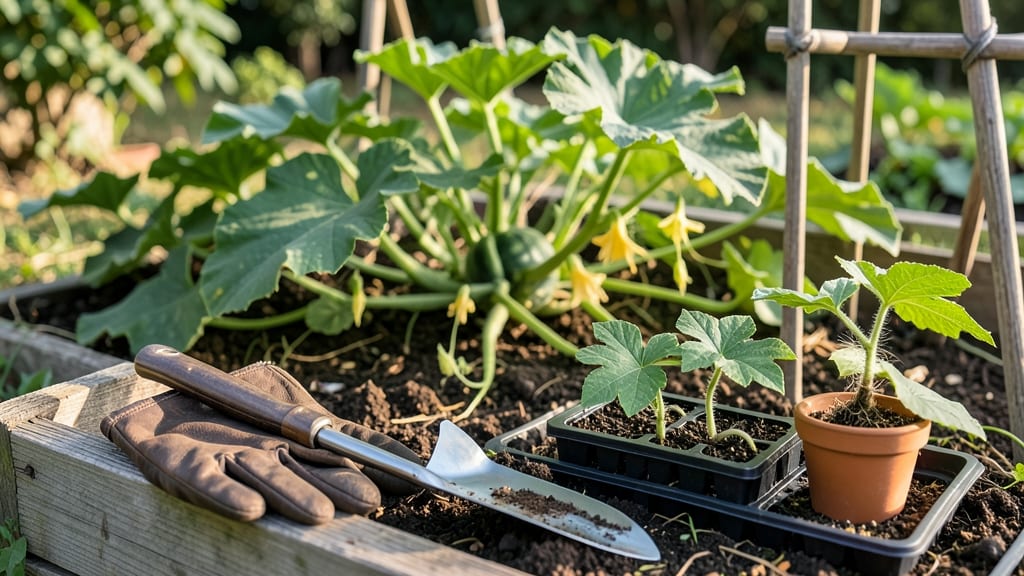
To plant watermelon in Zone 9, wait until soil temperatures hit at least 70°F—usually between late February and early March, when the heat is on its way but the vines aren’t racing against time.
Zone 9 gardeners know timing is everything—plant too early, and the vines struggle to establish before the brutal summer heat kicks in; too late, and you miss the sweet spot for a full harvest.
But with the right schedule, you can grow juicy, vine-ripened 🍉 watermelons that thrive in the desert-like conditions of your region.
Most of Zone 9 avoids frost entirely, but coastal areas like Southern California can have cooler springs, while inland spots heat up faster. The key is tracking soil temps—70°F is your magic number for germination—and choosing heat-tolerant varieties that won’t bolt in the midday sun.
Below, I’ll break down the exact planting window by microclimate, the best varieties for your zone, and how to stretch your harvest with succession planting—so you’re feasting on homegrown watermelon from May through August.
Best planting timeline for watermelons in Zone 9 (with exact dates)
Zone 9’s long, hot summers create the perfect environment for watermelon growth—but timing is critical. Unlike colder zones, you won’t face frost risks, but soil temperature and heat tolerance of varieties dictate success.
Plant too early, and your seeds may rot; too late, and your vines struggle under 100°F+ heat. The key is aligning your schedule with soil warmth and heat-tolerant varieties to maximize yields.
In Zone 9, watermelons thrive when soil temperatures consistently reach 70°F or higher. This typically happens in late February to early March, but coastal areas (like Southern California) may start as early as January.
Inland regions (like Arizona or Texas) often wait until mid-March to avoid early-season heat stress. Below, I’ll break down the exact month-by-month timeline, including soil prep, planting methods, and regional adjustments.
| Stage | Action | Soil Temp | Zone 9 Region |
|---|---|---|---|
| Soil Prep | Test soil pH (6.0-6.8), amend with compost, and till to 12" | 60°F+ | January-February (coastal) / February (inland) |
| Direct Sow | Plant seeds 1" deep, 3-4" apart in hills (2-3 seeds per hill) | 70°F+ | Late February-March (coastal) / March (inland) |
| Transplant | Move seedlings (if started indoors) after true leaves form | 75°F+ | March-April (coastal) / April (inland) |
| Thin Seedlings | Keep 1-2 strongest plants per hill, 24-36" apart | 70°F+ | April-May |
| Fertilize | Apply balanced 10-10-10 fertilizer when vines flower | 80°F+ | May-June |
| Harvest | Pick when rind is fully colored, tendril is brown, and sounds hollow | 85°F+ | June-August |
| Succession Plant | Sow new seeds every 2-3 weeks for extended harvest | 70°F+ | March-July |
For coastal Zone 9 areas (e.g., Los Angeles, San Diego), start direct sowing as early as late January when soil warms to 70°F. These regions benefit from milder winters, allowing for earlier harvests in May-June.
In contrast, inland desert zones (e.g., Phoenix, Las Vegas) should delay planting until mid-March to avoid heat stress on young seedlings. Always check local frost-free dates, even in Zone 9, as microclimates vary.
If you’re using transplants, start seeds indoors 4-6 weeks before your target outdoor planting date. Seedlings need warmth to thrive, so use a heat mat if your indoor temps dip below 75°F.
Harden off seedlings for 7-10 days before transplanting to prevent shock. Mulch heavily after planting to retain moisture and regulate soil temperature—critical in Zone 9’s intense heat.
One of my biggest mistakes was planting watermelons in early February in inland Arizona. The soil was still cool, and germination was slow. By the time seeds sprouted, the 100°F+ days hit, and my vines wilted. Now, I wait until mid-March when soil consistently stays above 75°F.
This adjustment doubled my yield! For succession planting, sow new seeds every 2-3 weeks from March to July to stagger harvests and avoid glut.
Watermelons need full sun (6-10 hours daily), but in Zone 9, afternoon shade can help vines survive peak heat. If your garden lacks afternoon shade, opt for heat-tolerant varieties like ‘Sugar Baby’ or ‘Crimson Sweet’, which handle 90°F+ temps better than standard types.
Always water deeply in the morning to prevent fungal diseases like powdery mildew, which thrives in Zone 9’s humidity.
Pro tip: Use black plastic mulch to warm soil faster and suppress weeds. This method speeds up germination and keeps roots cool during summer heatwaves. Pair it with drip irrigation
Top 5 heat-tolerant watermelon varieties for Zone 9 gardens
Zone 9’s scorching summers demand watermelon varieties that thrive in 90°F+ temperatures without wilting. I’ve grown these heat-tolerant types for years, and they consistently deliver sweet, juicy fruit even when other plants struggle. The key? Fast maturation and drought resistance—traits these varieties excel at.
For my Zone 9 garden, I prioritize varieties that mature in 60-70 days to avoid summer’s peak heat stress. Sugar Baby and Crimson Sweet are my top picks, but newer hybrids like Black Diamond have also impressed with their disease resistance and high yields under extreme conditions.
Here’s the breakdown of their pros and cons to help you choose the best fit for your space and goals:
Heat-Tolerant Watermelon Varieties Comparison
✅ Pros: Fast (60 days), sweet, compact vines
❌ Cons: Lower yield, needs consistent water
✅ Pros: Classic flavor, high yield, disease-resistant
❌ Cons: Needs more space, slower to mature (75 days)
✅ Pros: Ultra-disease-resistant, drought-tolerant, 65 days
❌ Cons: Smaller fruit size, less sweet than heirlooms
✅ Pros: Striped rind, heat-loving, 70 days
❌ Cons: Needs rich soil, prone to powdery mildew
✅ Pros: Large fruit (20+ lbs), early (65 days), sweet
❌ Cons: Needs trellising, less drought-tolerant
💡 Tip: For Zone 9’s heat, plant Black Diamond or Sugar Baby in late winter (Feb-March) to avoid peak summer stress.
If you’re short on space, Sugar Baby is my go-to—its compact vines (3-6 ft spread) make it perfect for container gardening or small plots. But if you want maximum yield, Crimson Sweet or Jubilee deliver 20-pound melons that feed the whole family.
Just be prepared to dedicate 10-15 feet of vine space for those giants!
For drought-prone areas in Zone 9, Black Diamond is a game-changer. I’ve seen it thrive with only 1 inch of water per week once established, while still producing consistent fruit.
It’s also powdery mildew resistant, a common issue in humid Zone 9 summers. Pair it with mulch to retain moisture and watch it outperform other varieties.
Pro tip: Succession plant Sugar Baby every 2 weeks from February to April for a continuous harvest. This stretches your season and ensures you’re not overwhelmed with fruit all at once.
Just remember—heat tolerance doesn’t mean neglect. Even these tough varieties need deep watering 2-3 times per week during Zone 9’s dry spells.
🌱 Whether you’re a beginner gardener or a seasoned pro, these varieties will turn your Zone 9 garden into a watermelon powerhouse. Start with one or two to test your soil and microclimate, then expand next season. Happy growing!