
Plants
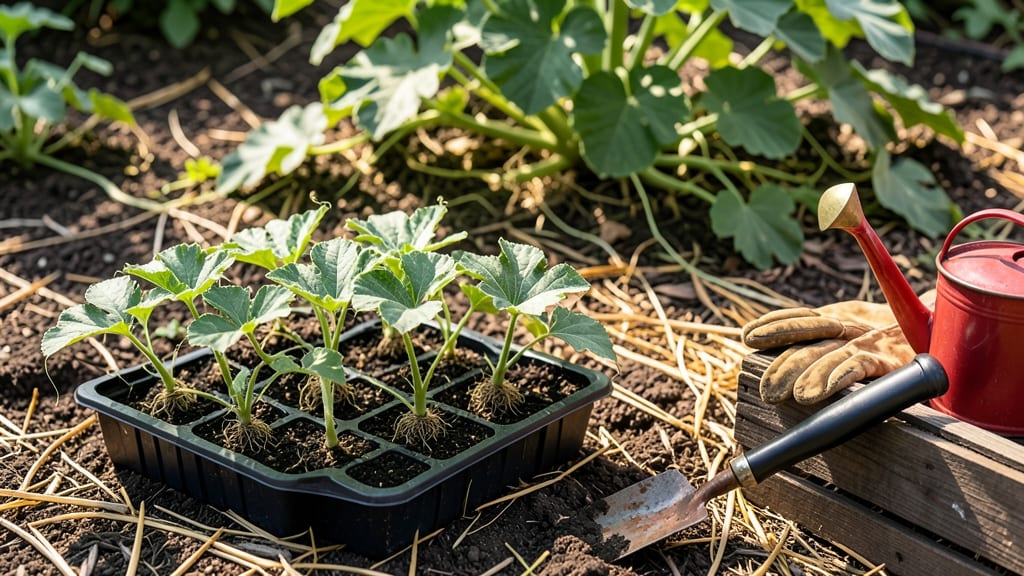
Plant watermelon in Zone 9b when soil temperatures hit 70°F (21°C), typically in late February or early March, to avoid the brutal summer heat that stunts growth.
Struggling to grow juicy, ripe watermelons in Zone 9b’s long, hot summers? Timing your planting right is the secret to avoiding bitter fruit and maximizing yield—here’s exactly when and how to plant for success.
Unlike cooler climates, Zone 9b’s year-round warmth means no frost to wait out, but the key is getting seeds in the ground before the 100°F+ heat arrives. Direct sowing is best, but if you start indoors, harden off seedlings carefully to survive the transition.
Below, I’ll break down the ideal planting window, soil prep tips, and the top 3 heat-resistant varieties that thrive in Phoenix and Southern California’s desert conditions—so you can go from seed to sweet slice in just 75 days.
Best planting timeline for watermelons in Zone 9b’s hot climate
Growing watermelons in Zone 9b means working with a climate where summer temperatures can soar above 100°F (38°C). The key to success? Planting at the right time to avoid heat stress during germination and fruiting.
Unlike cooler zones, you won’t need to worry about frost, but soil temperature and heat tolerance become critical factors. I’ve grown watermelons in Phoenix for years, and the difference between a thriving patch and a failed crop often comes down to timing.
Watermelons thrive in warm soil (70°F/21°C or higher), which is why I recommend starting seeds or transplanting in late winter to early spring. This gives your vines time to establish roots before the peak summer heat arrives.
In Zone 9b, the ideal window is between February and April, depending on your specific microclimate. For example, coastal areas like San Diego may handle slightly later plantings, while inland deserts like Phoenix benefit from earlier starts.
Direct sowing vs. transplanting is another key decision. In Zone 9b, I almost always recommend direct sowing because watermelon seedlings are heat-sensitive and can struggle with transplant shock. However, if you’re dealing with limited space or want to extend your season, starting seeds indoors under grow lights 3-4 weeks before your target planting date can work—just be prepared for a smoother transition outdoors.
Here’s a quick comparison of your planting options in Zone 9b:
For direct sowing, I wait until the soil temperature consistently stays above 70°F (21°C). You can check this with a soil thermometer or use the back-of-the-hand test: if the soil feels warm to your skin, it’s ready.
In Phoenix, this usually aligns with mid-February, but in cooler coastal areas, you might delay until early March. Plant seeds 1 inch deep and 6 inches apart in hills, with hills spaced 3-4 feet apart to give vines room to sprawl.
If you choose to transplant seedlings, start them indoors 3-4 weeks before your target outdoor date. Use biodegradable pots to avoid root disturbance, and harden them off by placing them outside for 2-3 hours daily the week before transplanting.
In Zone 9b, mid-March to early April is ideal for transplanting, as temperatures are warming but not yet extreme. Be prepared to provide afternoon shade for the first week to help seedlings acclimate.
One common mistake I see in Zone 9b is planting too late. If you wait until May or June, your watermelons will struggle with heat stress during flowering and fruiting, leading to bitter, underdeveloped fruit.
Instead, aim to have your plants established and flowering by late April, so they can produce fruit before the hottest months (June-August). This timing also ensures you’ll harvest before monsoon season, which can bring excessive humidity and fungal risks.
To maximize success, pair your planting timeline with mulching and drip irrigation. A 3-inch layer of straw mulch keeps soil cool and retains moisture, while drip lines deliver water directly to roots without wetting foliage.
I also recommend choosing heat-tolerant varieties like ‘Sugar Baby’ or ‘Crimson Sweet’, which mature faster and handle Zone 9b’s heat better than standard types.
With the right timing and care, you’ll be enjoying sweet, juicy watermelons by late spring or early summer—just in time to beat the worst of the heat!
🌱
How to adjust planting for Zone 9b’s microclimates and heat spikes
Zone 9b’s diverse microclimates—from urban heat islands to coastal breezes—can drastically affect your watermelon’s success. In Phoenix, daytime temps can hit 110°F, while San Diego stays cooler near the coast. Your planting strategy must adapt to these extremes to avoid bitter fruit or wilting vines.
Start by choosing planting spots that balance sun exposure with heat relief, especially during those early heatwaves that strike by March.
If you’re in a desert-like microclimate, prioritize afternoon shade for seedlings. Use row covers or lightweight shade cloth (30%) to protect tender leaves from intense afternoon sun. For coastal areas, watch for fog or wind, which can delay germination.
Harden off seedlings gradually by exposing them to outdoor conditions for 2-3 hours daily, increasing time by 1 hour each day once soil temps hit 70°F (21°C).
⚠️ callout-warning ⚠️
Planting too early in urban heat islands (like downtown Phoenix) can fry seedlings before they sprout. Wait until soil temps are consistently 70°F+—use a soil thermometer to check. If temps spike above 95°F, provide drip irrigation and mulch to keep roots cool. Never plant before February 15th unless you’re in a coastal microclimate with milder afternoon breezes.
Mulching is your best defense against heat stress. Apply a 4-inch layer of straw or wood chips to retain moisture and regulate soil temperature. For container-grown watermelons, use black plastic mulch to absorb heat and warm roots faster. Avoid dark mulches in shady spots, as they can overheat soil. Pair mulch with drip irrigation to deliver water directly to roots, reducing evaporation and fungal risks from overhead watering.
Adjust your watering schedule based on microclimate. In desert areas, water deeply every 2-3 days at dawn to prevent fungal diseases. Coastal gardens may need daily watering if winds dry soil quickly.
Monitor leaf color: Yellowing leaves signal overwatering, while crispy edges mean underwatering. Drip systems are ideal—they deliver 1-2 inches of water per week without wetting foliage, which is critical in humid microclimates like San Diego.
For urban heat islands, consider vertical trellising to lift vines away from scorching pavement. Use strong trellis netting and prune side shoots to focus energy on fruit production.
If you’re in a windy coastal area, stake plants or use windbreaks to prevent root exposure and vine damage. Fast-maturing varieties (like ‘Sugar Baby’) are your best bet—they’ll fruit before June heatwaves peak.
Finally, soil prep makes all the difference. Amend heavy clay soils with compost and perlite to improve drainage, while sandy soils benefit from organic matter to retain moisture. Test your soil’s pH (6.0-6.8 is ideal)—watermelons hate alkaline soils, which can cause nutrient lockout.
If your microclimate has salty air (common near coasts), flush soil with rainwater before planting to reduce salt buildup.