
Plants
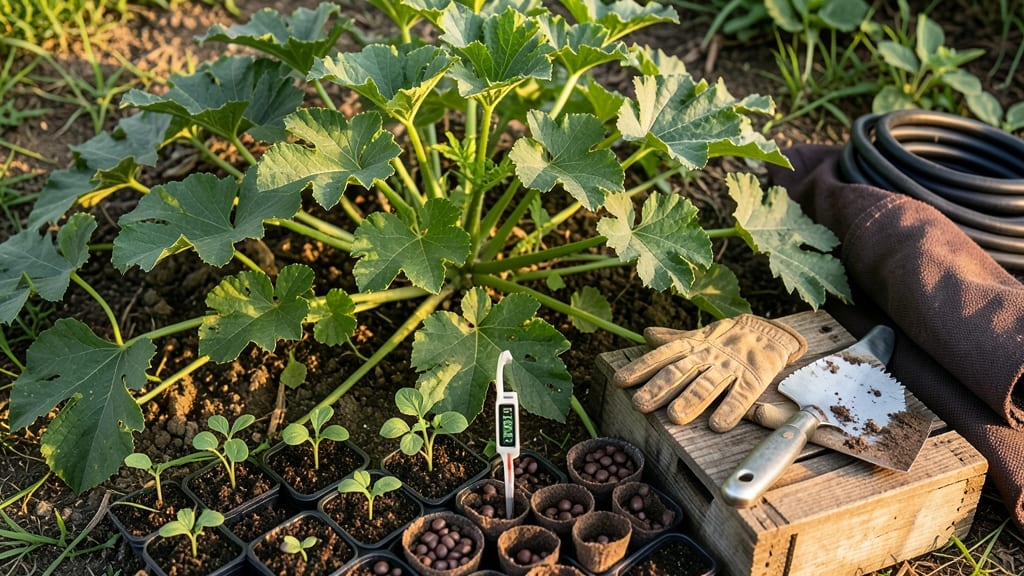
Plant watermelon seeds in Texas when soil temperatures hit 70°F—usually late March to early April in most zones, but earlier in South Texas where frost is rare.
Texas gardeners know timing is everything—plant too early, and frost will wipe out your crop; too late, and the scorching summer heat will stunt growth. Get it right, and you’ll enjoy juicy, vine-ripened watermelons straight from your backyard.
Soil warmth is the key—watermelons won’t sprout below 65°F, so wait for daytime temps to stay above that mark. In North Texas, that might mean holding off until mid-April, while coastal areas can start as early as February.
Below, I’ll break down the best planting windows by USDA zone, pro tips for faster germination, and how to avoid common mistakes that shrink yields—so you can grow watermelons like a Texas pro.
Texas watermelon planting calendar: frost-free dates by USDA zones 8-10
Texas gardeners enjoy one of the longest growing seasons in the country, but even our warm climate has critical frost-free windows for planting watermelons. Zone 8a faces occasional light frosts, while Zones 9-10 rarely see frost—but heat stress becomes the bigger threat.
The key is planting when soil temperatures hit 70°F+ consistently, ensuring fast germination and vigorous growth before summer's peak.
For most Texas gardeners, this means starting seeds indoors 4-6 weeks before the last expected frost date, then transplanting after May 1 in northern zones or as early as March 15 in southern areas. Direct sowing is also common once soil warms, but timing varies dramatically between North and South Texas.
Let's break down the exact frost-free windows by zone to maximize your watermelon yield.
In Zone 8a, where late frosts are common, I recommend starting seeds indoors in mid-March for transplanting by April 15.
The soil needs to stay consistently above 70°F for at least 10 days before planting—use a soil thermometer to check. Black plastic mulch can warm the soil by 10-15°F, giving you a 2-week head start on germination.
For Zones 9a and 9b, you can plant as early as January if you provide some shade during extreme heat events. I've had success with Sugar Baby and Crimson Sweet varieties when planted in late January, but be prepared to provide drip irrigation during dry spells.
The real challenge in these zones is avoiding heat stress once temperatures exceed 95°F—this is when watermelons bolt or develop poor fruit quality.
Gardeners in Zone 10a enjoy the luxury of planting watermelons year-round, but I still recommend focusing on January through March for the best yields. Summer planting is possible but requires afternoon shade cloth and extra irrigation.
I've experimented with trellising in these zones to save space and improve air circulation, which helps prevent fungal diseases during our humid summers.
One strategy I've used in Zone 8b is succession planting: plant a second batch in early June for a fall harvest. This works because watermelons have a 75-90 day maturity period, so June plantings can still produce fruit before the first hard frost in
Pro tips to extend your Texas watermelon growing season
Texas summers are brutal, but with the right tricks, you can coax watermelons to thrive earlier or later than the typical planting window. I’ve learned that soil temperature and protective barriers make all the difference—especially in USDA Zones 8-10 where heat stress is a real threat.
One of my favorite methods is using black plastic mulch, which warms the soil faster and suppresses weeds. This simple trick can shave 2-3 weeks off your planting timeline, giving you a head start before the real heat arrives.
Pair it with row covers, and you’ll push those frost-free dates even further.
- Use black plastic mulch to raise soil temps 10-15°F faster than bare soil. Lay it down 2-3 weeks before planting for best results.
- Row covers let you plant 3-4 weeks earlier in spring or 2 weeks later in fall. Remove them once vines start running to avoid overheating.
- Trellis small varieties like 'Sugar Baby' to save space and improve air circulation. This cuts heat stress and makes harvesting easier.
- Test soil temperature with a thermometer—watermelons need 70°F+ soil to germinate. If it’s cooler, use a seedling heat mat for faster sprouts.
- Mulch heavily with straw or wood chips to retain moisture and keep roots cool during 100°F+ heatwaves.
Don’t overlook soil temperature tricks—this is where most Texas gardeners trip up. I’ve found that a seedling heat mat ($15 at garden centers) can jumpstart germination by 5-7 days when soil temps hover around 65°F. For even better results, combine it with black plastic mulch.
If you’re aiming for a fall harvest, try succession planting every 2 weeks from July to August. The key is keeping vines healthy with drip irrigation—this prevents blossom-end rot and ensures steady fruit set.
I’ve had success with this method in Zone 9b, where late-season melons ripen just before frost.
For heat-loving varieties like 'Crimson Sweet', let vines sprawl across the ground and use shade cloth (30%) during peak afternoon heat. This balances sun exposure while protecting young fruits from sunscald. Pair it with weekly foliar sprays of seaweed extract to boost heat tolerance.
Remember: Patience is key. Rushing watermelons to maturity in Texas’s extreme climate often backfires. With these tricks, I’ve stretched my harvest from June to October—and you can too!
Start small, experiment with one method at a time, and soon you’ll be the neighbor with the longest watermelon season. 🌞