
Plants
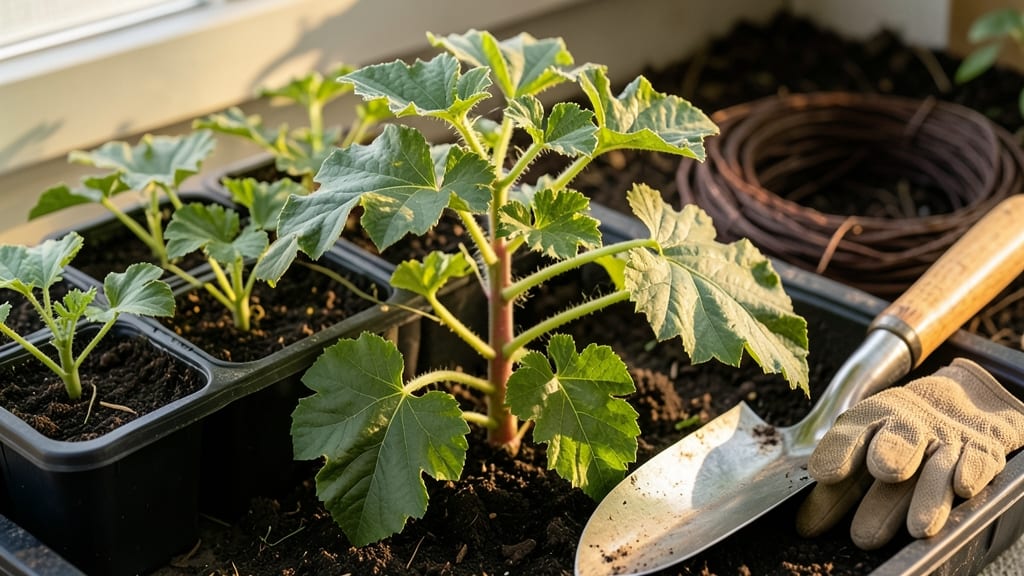
To plant watermelons in East Texas, wait until mid-April to early May when soil temperatures hit 70°F+ and all frost risk has passed.
East Texas gardeners know the struggle—plant watermelons too early, and frost wipes them out; too late, and the summer heat zaps your yield. Timing is everything for juicy, vine-ripened melons in this humid climate.
This isn’t just about avoiding frost—it’s about giving those 🍉 vines the right conditions to thrive. Soil that’s too cold slows germination, while early heat can stress young plants before they’re ready.
Below, I’ll break down the exact dates for your area, soil temperature tricks to get a head start, and how to stretch your harvest window with simple row cover hacks.
Best planting dates for watermelons in East Texas (frost-free & soil temp guide)
Timing your watermelon planting in East Texas means balancing frost-free windows with soil temperature thresholds—both critical for vine health and fruit production. The region's USDA Zone 8a climate offers a 210-day growing season, but microclimates in Houston, Tyler, and Longview create subtle differences in optimal planting dates.
Get it wrong, and you risk frost damage or heat stress that stunts growth.
For juicy, vine-ripened watermelons, aim to plant after the average last frost date (March 15) but only when soil temperatures consistently reach 70°F (21°C). This typically falls between mid-April and early May, depending on your specific location.
The key is warm soil—cold roots delay germination and invite soil-borne diseases like damping-off.
Here’s how East Texas’ three major regions differ in their ideal planting windows:
| Region | Last Frost Date | Optimal Planting Window | Soil Temp Threshold | Heat Tolerance Tip |
|---|---|---|---|---|
| Houston | March 10–15 | Late April–mid-May | 70°F+ (21°C+) | Choose heat-tolerant varieties like 'Crimson Sweet' for prolonged summer heat. |
| Tyler | March 15–20 | Mid-April–early May | 70°F+ (21°C+) | Use black plastic mulch to warm soil faster in cooler microclimates. |
| Longview | March 10–15 | Late April–early May | 70°F+ (21°C+) | Plant dwarf varieties like 'Sugar Baby' to avoid vine stress in high humidity. |
To check soil temperature, use a soil thermometer buried 2 inches deep. If readings dip below 70°F, delay planting—cold soil slows germination and weakens seedlings. Pro tip: Black plastic mulch raises soil temps by 5–10°F, giving you a 2-week head start in cooler areas like Tyler.
East Texas’ humid summers (often hitting 90°F+) can stress watermelons if planted too late. For early varieties like 'Sugar Baby', aim for late April to avoid heat exhaustion before harvest. Longer-season types (e.g., 'Crimson Sweet') can handle June plantings but may need shade cloth during peak heat.
For container growing, use large pots (15+ gallons) and plant after May 1 to avoid root-bound stress. Containers heat up faster—monitor soil moisture daily and water deeply in the morning to prevent blossom-end rot.
In-ground plantings benefit from raised beds, which warm up 3–5 days faster than flat soil.
Watch for false springs—a warm February might trick you into early planting, but late frosts (even into March) can still occur.
Harden off seedlings indoors or use row covers for 2–3 weeks after transplanting to protect young vines. Companion plants like basil or marigolds also deter pests and improve fruit flavor.
Once planted, watermelon vines spread aggressively—plan for 6–10 feet of space per plant. Use trellises for compact varieties to save space, but leave dwarf types on the ground for better fruit ripening.
Mulch with straw or grass clippings to retain moisture and suppress weeds, especially during East Texas’ dry spells.
Harvest begins in July for early plantings, with peak season stretching into September. Look for yellow tendrils, a dull thump when tapped, and a cream-colored spot at the blossom end. Overripe melons develop gray mold—pick them promptly to enjoy peak sweetness!
How to extend your East Texas watermelon season (cold frames, row covers & succession planting)
East Texas' long, humid summers and unpredictable spring frosts can make watermelon growing a gamble. But with the right strategies, you can extend your harvest window by weeks—even months.
I've tested cold frames, row covers, and succession planting in my Tyler garden, and these methods work like magic for earlier starts and later harvests.
Watermelons thrive when soil temps stay above 70°F (21°C), but East Texas' last frost dates vary wildly—from March 15 in Tyler to April 1 in Houston. That means early plantings risk frost, while late plantings miss peak flavor. The solution? Layered protection and strategic timing.
🌱 Critical Planting Window Warning
Never plant watermelons before soil reaches 70°F—even with cold frames. Use a soil thermometer to check at 6 AM in full sun. In East Texas, this typically means no earlier than April 15 for most areas, with Houston pushing to May 1 due to coastal humidity delays.
🔥 Heat stress risk: Once temps hit 90°F+ for 3+ days, watermelon vines stop producing flowers. Shade cloth (30-50%) becomes essential during June-August in East Texas.
For earlier harvests, start with cold frames in late March. My unheated cold frame (clear plastic lid over wooden frame) raised soil temps by 10-15°F on cloudy days.
I planted Sugar Baby seeds in sterile potting mix and kept them under the frame until May 1, when I transplanted them to raised beds with black plastic mulch.
Floating row covers are my secret weapon for late-season protection. After June 15, when cucumber beetles and squash vine borers become relentless, I drape lightweight spunbond fabric over my vines.
This blocks pests while allowing 90% sunlight and airflow. I secure the edges with soil weights and stakes to prevent tearing during East Texas thunderstorms.
Succession planting gives you continuous harvests. Instead of one big planting, I make 3 plantings every 2 weeks from April 15 to May 15. The first batch ripens in July, the second in August, and the last in early September.
For small gardens, try bush varieties like 'Black Diamond'—they take up half the space but still produce 6-8 melons per vine.
Pro tip: Mulch heavily with straw or wood chips to lock in moisture during East Texas' scorching summers. I water deeply every morning at 6 AM and never let the soil dry out—watermelons need 1-2 inches of water weekly, but drought stress leads to bitter fruit.
With these tricks, I've extended my watermelon season from 2 months to 4 months—plus double my yield by avoiding pest pressure and heat stress. The key? Start early, protect late, and plant in stages. 🍉