
Plants
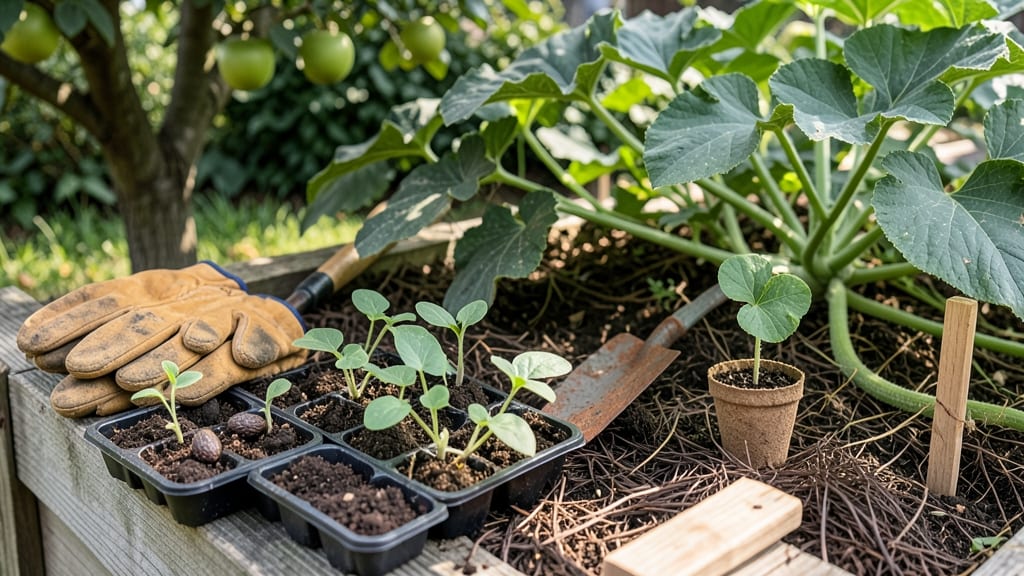
Plant watermelons in Georgia when soil temperatures hit 70°F or warmer—typically between mid-April and early June, after the last frost date for your region.
Miss that window, and you risk frost damage or a harvest that never sweetens. Georgia’s climate is forgiving, but timing is the key to avoiding wilted vines or underripe fruit.
Whether you’re in the cooler 7b zones of North Georgia or the warmer 8b South, knowing the right moment to plant ensures a bountiful harvest from July to September.
This guide breaks down the exact frost-date calculator steps for your area, soil prep tricks to speed up germination, and how to adjust for Georgia’s unpredictable late-spring heat spikes.
You’ll also discover the best companion plants to boost yields, common mistakes that kill watermelon crops, and how to stretch your growing season with mulch and shade cloth.
Georgia watermelon planting dates by region: frost-date calculator guide
Georgia’s diverse climate zones mean your watermelon planting dates should vary depending on whether you’re in North Georgia’s cooler hills, Central Georgia’s transition zone, or South Georgia’s warmer lowlands.
The key is aligning your schedule with last frost dates and soil temperature thresholds—watermelons need 70°F+ soil to germinate properly. Let’s break down the best windows for each region, plus how to adjust for early, mid-, and late-season varieties.
Start by checking your USDA frost zone (Georgia ranges from 7b to 8b) and local weather averages. The University of Georgia Extension provides county-specific frost maps—bookmark their frost calculator tool for real-time adjustments.
For example, North Georgia (like Athens or Dahlonega) typically sees its last frost around April 15, while South Georgia (like Savannah or Valdosta) rarely faces frost after February 15. Central Georgia (like Macon or Columbus) falls in between, with last frost dates around March 31.
Here’s how to use this data to pinpoint your optimal planting window. For direct-sown seeds, wait until 2 weeks after your last frost date—this gives soil time to warm.
If you’re starting seeds indoors (4–6 weeks before transplanting), begin them in March for North Georgia, February for Central Georgia, and January for South Georgia. Always pair this with a soil thermometer—plant only when readings hit 70°F+ for 3+ days.
Pro Tip: Use black plastic mulch to raise soil temperatures by 5–10°F, letting you plant 1–2 weeks earlier in cooler zones. This is especially useful for North Georgia gardeners who want to grow early-season varieties like ‘Sugar Baby’ or ‘Crimson Sweet’.
For North Georgia gardeners, focus on early-maturing varieties like ‘Sugar Baby’ (65 days) to avoid late-summer heat stress. Plant seeds after May 1 and use row covers for extra warmth if needed. In Central Georgia, you’ve got flexibility—mid-season varieties like ‘Charleston Gray’ thrive with April 15
Soil and climate checklist: preparing Georgia soil for watermelon success
Before planting watermelons in Georgia, your soil must meet three critical conditions: the right pH balance, proper drainage, and consistent moisture retention. Georgia’s humid climate and variable rainfall make these factors even more important for preventing root rot and blossom-end rot.
Start by testing your soil’s pH level—watermelons thrive in slightly acidic to neutral soil between 6.0 and 6.8.
Use a simple soil test kit (available at garden centers) or send a sample to the University of Georgia Extension Service for professional analysis. If your soil is too acidic (<6.0), amend it with lime; if it’s alkaline (>6.8), add sulfur or peat moss.
Organic matter like compost or well-rotted manure improves soil structure and nutrient retention, which is especially helpful in Georgia’s clay-heavy soils.
🌱 Key Takeaway: Georgia Watermelon Soil Prep Checklist
- Test pH: Aim for 6.0–6.8 (use lime/sulfur to adjust)
- Amend soil: Mix in 2–3 inches of compost before planting
- Check drainage: Plant in raised beds or mounds if soil stays soggy
- Warm soil: Wait until soil hits 70°F+ (use black plastic mulch to speed this up)
- Mulch: Use straw or black plastic to retain moisture and suppress weeds
⏰ Pro Tip: Monitor soil temperature with a soil thermometer—watermelon seeds won’t germinate below 70°F.
Georgia’s soil temperature is just as critical as pH. Watermelon seeds require soil that’s at least 70°F to germinate, and vines grow best when soil stays above 65°F. Use a soil thermometer to check temperatures at a depth of 2 inches.
In cooler regions like North Georgia, use black plastic mulch to absorb sunlight and warm the soil faster. This trick can shave weeks off your growing season!
Once your soil is prepped, focus on mulching to conserve moisture and regulate temperature. Organic mulches like straw or grass clippings work well in home gardens, while black plastic mulch is ideal for commercial plots.
Apply mulch after the soil warms up to prevent soil-borne diseases and reduce weed competition. In Georgia’s heat, mulch also helps prevent fruit rot by keeping melons off damp soil.
Don’t overlook drainage, especially in low-lying areas where water pools after rain. Watermelons hate soggy roots, which can lead to root rot or powdery mildew. If your garden has poor drainage, plant watermelons on raised beds or mounds.
Add coarse sand or perlite to heavy clay soils to improve aeration. A quick drainage test: Dig a hole, fill it with water, and time how long it takes to drain—ideal is 4–6 hours.
Finally, consider your microclimate. Even within Georgia, temperatures can vary dramatically. South Georgia’s warmer zones may allow for earlier planting, while North Georgia’s cooler springs might require starting seeds indoors or using row covers to protect young plants.
Always align your planting with your local last frost date (typically mid-April in most of Georgia) and monitor weather forecasts for unexpected cold snaps.