
Watering
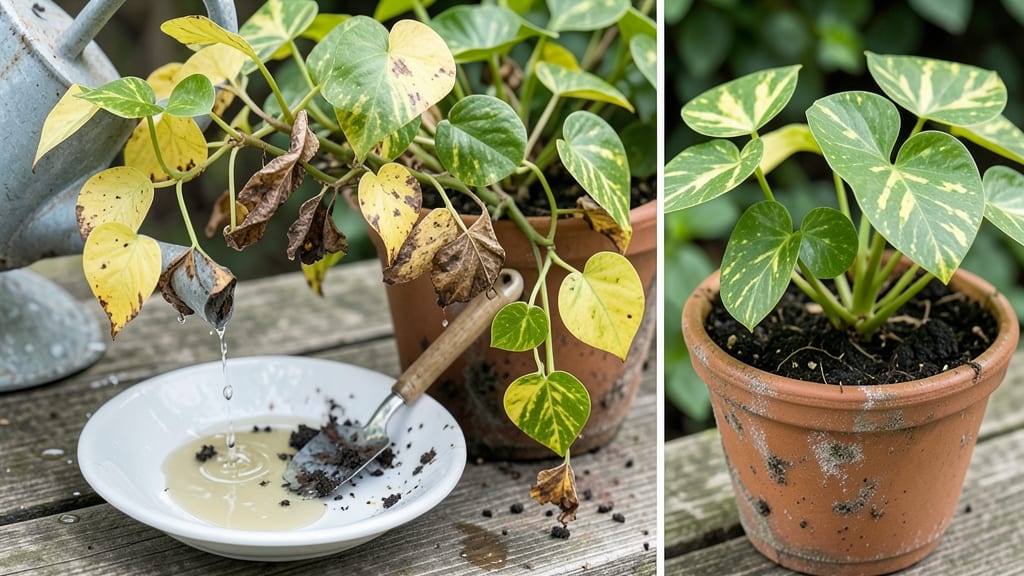
Plants often turn yellow when overwatered because excess moisture suffocates roots, starving them of oxygen and triggering rot. This disrupts nutrient uptake, leading to leaf discoloration—particularly in delicate houseplants like ferns or pothos. Act fast to save your plants by adjusting watering habits and improving drainage.
Overwatering creates a double whammy for plants: roots drown in saturated soil, cutting off oxygen, while excess water leaches essential nutrients like nitrogen right out of the soil. 🌱 This nutrient starvation forces leaves to break down chlorophyll, turning them yellow—a classic sign called chlorosis.
Worse yet, waterlogged conditions invite harmful bacteria and fungi that attack roots, making recovery even harder. I’ve seen this happen most often with container plants, where poor drainage traps moisture and accelerates the problem.
What’s interesting is that different plants react at different rates. Succulents and cacti, for example, show yellowing within days, while tropical plants like monstera might take weeks to show signs. The key is always checking soil moisture before watering—stick your finger an inch deep.
If it’s damp, wait. If it’s bone-dry, it’s likely been too long since your last watering. Pro tip: repotting with fresh, well-draining soil can work wonders for plants already showing stress.
💡 In This Article
- Why Overwatering Causes Yellow Leaves in Plants
- How to Revive Overwatered Plants: Step-by-Step Recovery Guide
Why overwatering causes yellow leaves in plants
When soil stays too wet for too long, roots suffocate because oxygen can't reach them—water fills the spaces between soil particles that normally hold air.
This triggers anaerobic conditions where harmful bacteria like Pseudomonas and fungi such as Phytophthora thrive, breaking down root tissue and blocking nutrient uptake. 🌱 The plant's response? It prioritizes survival by breaking down chlorophyll in older leaves first, turning them yellow—a process called chlorosis.
Think of it like your body diverting energy to vital organs when you're sick.
Nutrient leaching accelerates this process. Excess water washes away essential minerals like nitrogen, magnesium, and iron that leaves need to stay green. Without these, chlorophyll production grinds to a halt.
For example, a pothos plant might show yellowing within 3-5 days of constant soggy soil, while a drought-tolerant snake plant could take 2-3 weeks to show similar signs. The difference? Pothos has delicate roots that rot faster in anaerobic conditions.
Root rot creates a vicious cycle: damaged roots can't absorb water efficiently, so the plant actually becomes dehydrated even when sitting in wet soil. This stress triggers ethylene gas production, which signals leaves to yellow and drop.
The worst offenders are plants with shallow root systems like ferns or impatiens—their roots sit right at the soil surface where water pools most easily. 💧 Even a single overwatered week can set these plants back months.
Visual clues help identify the problem. Look for leaves that yellow between veins first (a sign of nutrient deficiency) or develop brown, mushy spots (root rot spreading). The soil may smell sour or like rotten eggs—a clear sign of anaerobic bacteria at work.
In containers, check the drainage holes: if water sits there for more than 24 hours, your plant is at serious risk.
Temperature plays a hidden role too. Cooler weather slows root damage because microbial activity decreases, but warm conditions (above 75°F) accelerate rot by speeding up bacterial growth.
That's why tropical plants often show yellowing faster in summer—even with the same watering habits. The science behind this is simple: heat + moisture = bacterial party.
What most gardeners miss is that overwatering isn't just about too much water—it's about poor drainage. Even if you water lightly, if your pots lack drainage holes or your garden soil is clay-heavy, water will pool and create the same suffocating conditions.
This is why terracotta pots (which wick moisture) and raised beds (with amended soil) often save plants that struggle in plastic containers.