
Lawn
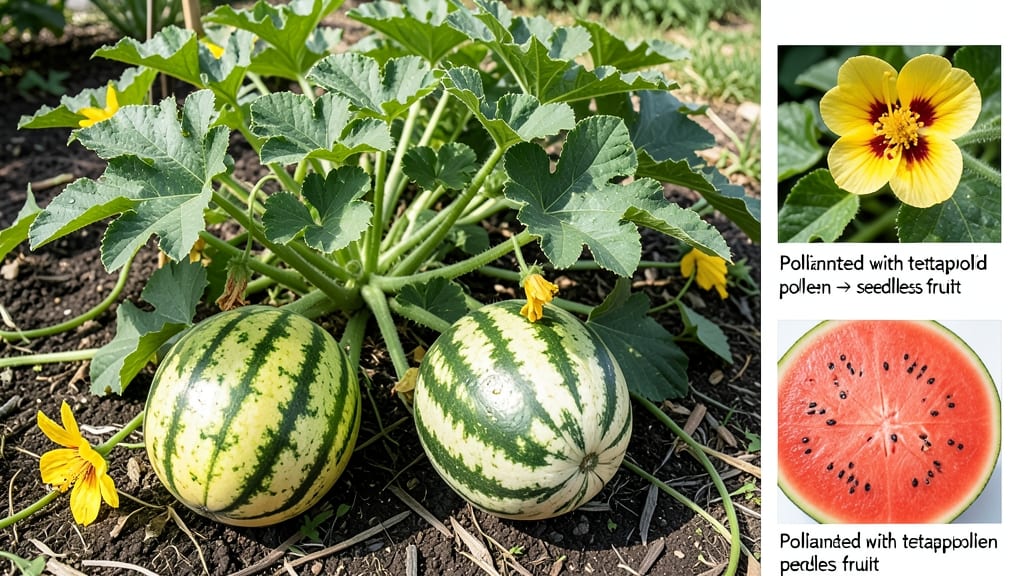
Seedless watermelons are created through triploid pollination, where a sterile watermelon plant with four sets of chromosomes (tetraploid) is cross-pollinated with a regular two-chromosome (diploid) plant. This hybrid process produces fruit without viable seeds, resulting in sweeter flesh and a more uniform texture.
This clever breeding technique relies on chromosome manipulation to produce sterile seeds. 🔥 The tetraploid parent contributes double the usual chromosomes, while the diploid parent provides the standard set—when combined, the offspring inherits three sets (triploid), making seed development impossible.
The result isn't just seedless convenience, but also fruit that's typically 20% sweeter and less fibrous than seeded varieties. Commercial growers often use this method to create consistent, high-quality watermelons for markets.
What's fascinating is how this process mirrors nature's own shortcuts—some wild plants naturally produce seedless fruit through similar genetic quirks. However, achieving this in cultivated watermelons requires careful selection of parent plants and controlled pollination, often using specialized equipment to ensure the right pollen reaches the right flowers.
For home gardeners, this means you'll need to source specific seedless varieties or work with a supplier who specializes in tetraploid/diploid combinations.
💡 In This Article
- The Genetics Behind Triploid Watermelon Production
- Growing Seedless Watermelons: Key Techniques and Tips
The genetics behind triploid watermelon production
At the heart of seedless watermelon creation lies a fascinating genetic trick involving chromosome numbers. Most plants, including regular watermelons, are diploid, meaning each cell contains two sets of chromosomes (one from each parent). However, seedless watermelons require a triploid plant—one with three sets of chromosomes.
This is achieved by cross-pollinating a tetraploid watermelon (with four chromosome sets) with a normal diploid variety. The tetraploid parent's extra chromosomes prevent proper seed development in the offspring, resulting in sterile seeds that never mature.
The chromosome doubling process begins with treating diploid watermelon seeds with colchicine, a chemical that prevents cell division from completing properly. This forces the cells to double their chromosomes, creating tetraploid plants.
When these tetraploid plants are then pollinated with pollen from a regular diploid watermelon, the resulting seeds produce triploid offspring. 💫 The triploid condition disrupts meiosis—the cell division process that creates gametes—so seeds can't form properly, making the fruit seedless.
Interestingly, this same triploid mechanism is used in other seedless fruits like pineapples and some citrus varieties.
Why does this genetic manipulation also produce sweeter fruit? The triploid condition alters the watermelon's metabolic pathways, concentrating more sugars in the flesh. Studies show seedless varieties can have 20-30% more sugar content than seeded watermelons, thanks to this genetic tweaking.
The fruit also tends to be more uniform in shape and texture, as the absence of seeds allows the watermelon to allocate more energy toward flesh development rather than seed production. This explains why commercial seedless watermelons often command higher prices—they deliver both convenience and superior eating quality.
One critical factor in this process is timing. The tetraploid parent plant must be flowering simultaneously with the diploid pollinator, and growers often use specialized equipment like pollen brushes or controlled pollination chambers to ensure precise cross-pollination.
In nature, this level of genetic control doesn't occur—it's a human-engineered solution that mimics how some wild plants naturally produce seedless fruit through polyploidy. The result is a watermelon that's not just seedless, but also more predictable in its growth patterns and flavor consistency.
For those curious about the sensory differences, triploid watermelons often have a thicker rind (about 0.5-1 inch thick) and flesh that's 10-15% denser than seeded varieties. This density contributes to their sweeter taste, as the concentrated sugars have less space to dilute.
The texture is also more uniform, with fewer fibrous strands that sometimes develop around seeds in regular watermelons. This genetic engineering isn't about creating something unnatural—it's about refining what nature already attempts in its own way.