
Watering
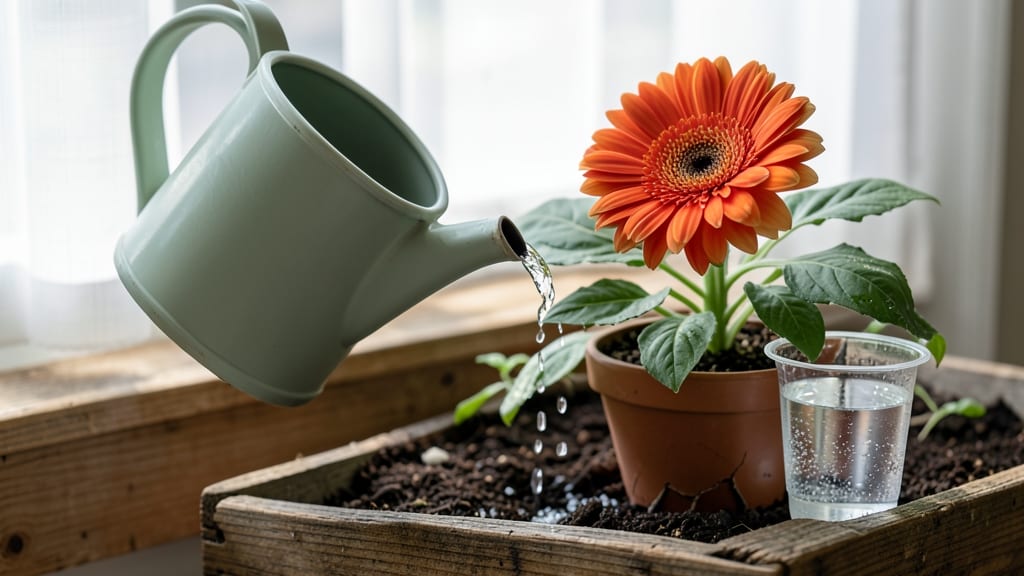
Watering a daisy plant the right way keeps those cheerful blooms popping up all season long 🌼 — but getting the frequency wrong means droopy petals or wasted effort.
Struggling to keep your daisy plants vibrant and blooming? The secret isn’t just in the soil—it’s in the watering routine, which changes dramatically with seasons, climate, and plant type.
Too much water and you risk root rot; too little, and your daisies wilt faster than a summer rainstorm fades. Here’s how to strike the perfect balance, whether you’re growing Shasta daisies in your garden or Gerbera daisies in pots.
I’ll break down the exact schedule by season, plus how to tell when your daisy needs a drink—and when to hold back. No more guesswork, just lush, happy blooms.
Daisy watering schedule by season: when and how much to give
Watering your daisy plants correctly is the key to those bright, cheerful blooms you love. Unlike some finicky flowers, daisies are surprisingly forgiving—but they still need a consistent watering routine that shifts with the seasons.
Whether you're growing Shasta daisies, Gerbera daisies, or Oxeye daisies, understanding when and how much to water will keep your plants thriving. Too little water, and they’ll wilt; too much, and you risk root rot.
Let’s break it down by season so you can give your daisies just the right amount.
Daisies generally prefer moderate moisture, meaning the soil should stay evenly damp but never soggy. The best time to water is early morning, between 6 and 10 AM, when evaporation rates are low and the plants can absorb water before the heat of the day.
Avoid watering at night, as damp foliage can encourage fungal diseases. Now, let’s dive into the seasonal schedule that will keep your daisies looking their best all year round.
| Season | Frequency | Depth | Best Time | Notes |
|---|---|---|---|---|
| Spring | Every 3-4 days | 1-2 inches | Morning | Increase if soil dries quickly |
| Summer | Every 2-3 days | 2-3 inches | Early morning | Water deeply during heatwaves |
| Fall | Weekly | 1 inch | Morning | Reduce as temps drop |
| Winter | Bi-weekly | ½ inch | Mid-morning | Only if soil is dry |
In spring, your daisies are waking up from dormancy and need a steady supply of water to establish strong roots. Aim to water every 3-4 days, providing about 1-2 inches of water each time.
This is also the perfect time to check your soil type—sandy soil drains faster and may need more frequent watering, while clay soil holds moisture longer. If you notice the top inch of soil feeling dry, it’s time to water again.
When summer heat rolls in, your daisies will need more frequent watering to combat evaporation and thirst. Water every 2-3 days, ensuring the water penetrates 2-3 inches deep into the soil.
A simple trick is to use a soil moisture meter or stick your finger about an inch into the soil—if it feels dry, it’s time to water.
Mulching around the base of your plants can help retain moisture and keep roots cool, reducing stress on your daisies during the hottest part of the day.
As fall arrives, the watering schedule can ease up a bit. Your daisies are preparing for dormancy, so watering once a week with about 1 inch of water should suffice. Pay attention to rainfall—if you’ve had a wet week, you might skip watering altogether.
This is also a great time to remove deadheaded blooms and add a light layer of organic mulch to protect the roots from temperature fluctuations.
During winter, most daisies enter a dormant phase, and watering needs drop significantly. Only water bi-weekly if the soil feels dry, and limit it to about ½ inch of water.
Overwatering in winter can lead to root rot, especially if the ground is frozen or water isn’t draining properly. If you’re in a region with mild winters, you might not need to water at all—just monitor the soil and adjust as needed.
One of the easiest ways to avoid overwatering or underwatering is to perform the finger test. Simply insert your finger about an inch into the soil. If it feels dry, it’s time to water. If it’s damp, hold off for another day or two.
Another tip is to water at the base of the plant rather than overhead, which helps prevent fungal diseases and ensures water reaches the roots where it’s needed most. For container-grown daisies, check the soil daily during hot weather, as pots dry out much faster than garden beds.
Watch for early signs of stress like wilting leaves or yellowing foliage, which can indicate either too much or too little water. If your daisies are wilting despite recent watering, it could be a sign of overwatering or poor drainage.
On the other hand, crispy edges on the leaves often mean the soil is too dry. Adjust your watering schedule based on these cues, and don’t hesitate to move potted daisies to a shadier spot during extreme heat to reduce water loss
Signs your daisy plants need water (or too much!): Visual cues to adjust care
Your daisy plants communicate water needs through subtle (and not-so-subtle) visual cues. Wilting leaves by midday or yellowing foliage are classic red flags, but even drooping blooms can signal dehydration or overwatering. The key is learning to read these signs before they escalate into root rot or stunted growth.
Start by checking the soil moisture—stick your finger 1-2 inches deep. If it feels dry, your daisies crave hydration. But if the soil stays soggy for days, you’re overdoing it. Brown leaf edges or mushy stems often mean excess water, while crispy leaves or curled petals scream thirst.
Let’s decode these clues to perfect your watering rhythm.
⚠️ Watering Warning: Daisy Care Mistakes
How often to water daisy plants depends on soil type and climate, but most need 1-1.5 inches weekly in summer. Container daisies dry faster—check soil daily! Overwatering causes root rot (yellow leaves, foul smell), while underwatering leads to crispy edges and drooping blooms. Adjust based on these visual cues, not a rigid schedule.
When your daisy leaves start curling or feel leathery to the touch, it’s a cry for water. Gerbera daisies, in particular, wilt dramatically when thirsty—often by late afternoon. For Shasta daisies, look for drooping petals that don’t bounce back after a drink.
Pro tip: Water at the base of the plant (not overhead) to keep foliage dry and prevent fungal issues.
Yellowing leaves can mean overwatering, but check the pattern: Lower leaves yellowing first? Likely root stress from soggy soil. Upper leaves yellowing may signal nutrient deficiency or heat stress. If the stem feels mushy when pressed, you’ve got root rot—act fast by trimming affected roots and repotting in drier soil.
For brown leaf tips, blame underwatering or hard water minerals. Try rainwater or distilled water if your tap water is alkaline. If blooms open but immediately droop, your daisies are wilting from heat stress—water deeply in the early morning to revive them.
Mulch around the base to retain moisture and keep roots cool during hot afternoons.
Adjust your routine seasonally: Summer heat demands daily checks, while winter dormancy needs bi-weekly watering. Use a moisture meter for accuracy, and always water until water drains from the bottom of containers. With these cues, your daisies will thrive—no more guesswork, just lush blooms all season!