
Plants
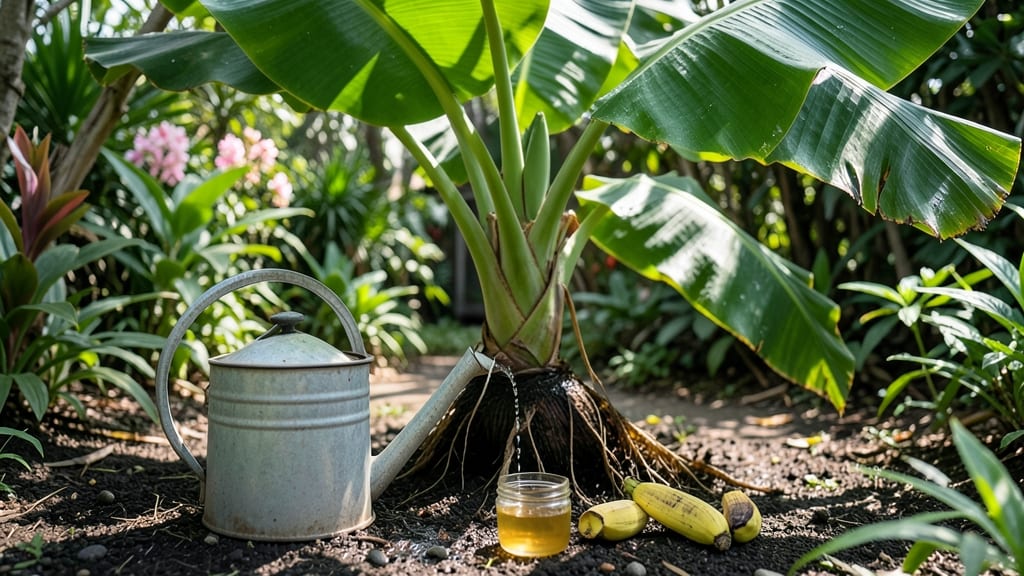
Banana water is good for plants because it contains natural potassium, magnesium, and calcium, which support root growth and nutrient absorption, though it should be diluted and used sparingly to avoid over-fertilizing or altering soil pH imbalance.
Banana water's nutrient profile makes it a natural plant tonic, especially for nutrient-deficient soils.
The potassium boosts flowering and fruiting, while magnesium helps chlorophyll production for vibrant green leaves. 🌱 However, the real magic happens when you dilute it—using undiluted banana water can over-saturate roots, leading to salt buildup that actually harms plants.
I've seen houseplants like pothos and spider plants thrive when given a monthly diluted spray, but vegetable gardens need even more caution to prevent soil acidity shifts.
What's fascinating is how banana water mimics the effects of commercial fertilizers but without the synthetic additives. The calcium strengthens cell walls, making plants more resistant to diseases and pests.
For best results, I recommend mixing 1 part banana water with 4 parts water and applying it to soil or leaves in early morning. Always monitor your plants' response—yellowing leaves or wilting could signal overuse rather than nourishment.
💡 In This Article
- Key Nutrients in Banana Water and Their Plant Benefits
- How to Use Banana Water Safely for Houseplants and Gardens
Key nutrients in banana water and their plant benefits
Banana water—technically called "banana peel leachate"—contains three powerhouse nutrients that directly impact plant health. The potassium levels (about 100-150 mg per liter) rival commercial fertilizers like potassium nitrate, which typically provide 13% potassium by weight.
This mineral is crucial for regulating water movement in plants and activating over 60 enzymes involved in photosynthesis, fruit development, and disease resistance. 🌿 For example, tomatoes and peppers, which are heavy potassium feeders, show noticeable improvements in fruit yield when given diluted banana water.
Magnesium, another key component, plays a starring role in chlorophyll production—the green pigment that captures sunlight for energy. A single liter of banana water contains roughly 20-30 mg of magnesium, which helps prevent yellowing between leaf veins (a classic magnesium deficiency symptom).
This is particularly valuable for leafy greens like spinach and kale, where vibrant color equals optimal photosynthesis. The calcium content (around 50-80 mg per liter) strengthens cell walls, making plants more resilient to fungal infections and environmental stress—similar to how calcium chloride is used in commercial soil amendments.
What makes banana water unique is how these nutrients work synergistically. Unlike synthetic fertilizers that deliver isolated nutrients, banana water provides a balanced blend that plants can absorb more efficiently. For instance, potassium enhances magnesium uptake, while calcium helps maintain proper cell structure.
This natural synergy explains why houseplants like snake plants and peace lilies show improved vigor after just 4-6 weeks of regular banana water treatments. The organic compounds in banana water also improve soil microbial activity, creating a healthier root zone.
However, there's a critical difference between banana water and commercial fertilizers: the nutrient concentration. While a balanced synthetic fertilizer might contain 10-12% potassium, banana water's potassium is more diluted—typically 0.01-0.015% by volume.
This lower concentration means it's safer for regular use but requires more frequent applications to achieve similar results. For container gardens, where nutrient leaching is rapid, banana water can be especially beneficial when used weekly during the growing season.
The pH factor is where banana water requires extra attention. Fresh banana water has a slightly acidic pH (around 5.5-6.0), which can lower soil pH over time if used excessively.
Most plants prefer a neutral pH (6.0-7.0), so diluting banana water and using it as a supplement rather than a primary fertilizer helps maintain soil chemistry.
Acid-loving plants like blueberries and azaleas may actually benefit from the slightly acidic nature, but for most vegetables and ornamental plants, moderation is key.
To put this into perspective, imagine comparing banana water to a slow-release organic fertilizer. While commercial products might deliver a 3-4 month nutrient supply, banana water provides a more immediate but gentler boost.
This makes it ideal for reviving stressed plants or giving a quick nutrient kick during active growth phases. The real advantage? You're not introducing synthetic chemicals that can accumulate in the soil over time. 🌱