
Plants
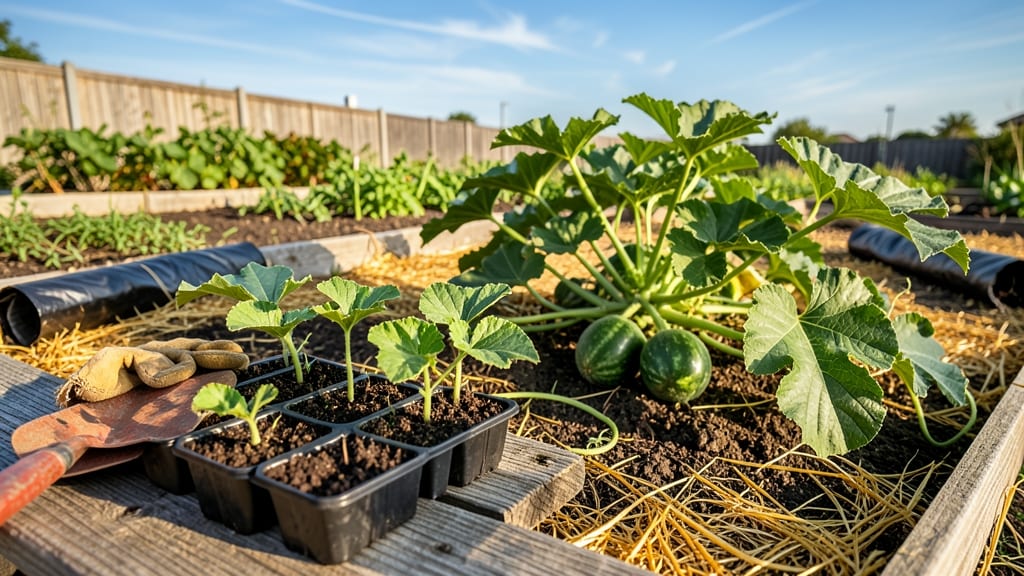
Plant watermelons in Texas when soil temperatures hit 70°F—typically late March to early April in North Texas, but as early as February in South Texas’s heat.
Texas gardeners know timing is everything—plant watermelons too early, and they’ll bolt in the heat; too late, and frost will ruin your harvest. Mastering the perfect planting window ensures juicy, vine-ripened fruit by summer’s end.
This fast-growing melon 🌱 thrives in Texas’s long summers, but the key is starting them early enough to beat the heat while avoiding spring’s unpredictable cold snaps. Whether you’re direct-sowing seeds or transplanting seedlings, the right timing makes all the difference.
Below, I break down the exact planting windows by region, soil temperature tips, and how to adjust for Texas’s extreme heat zones—so you can enjoy homegrown watermelons faster than you think.
Texas heat-zone planting calendar for watermelons (by region)
Texas's diverse climate means North Texas gardeners face late spring frosts, while South Texas battling early summer heatwaves. The key to watermelon success lies in planting when soil temps hit 70°F+ and frost risks fade.
Below, I break down the perfect planting windows for each region, including transplanting tips and soil prep to maximize your harvest.
Watermelons thrive in warm soil and long growing seasons. In North Texas, aim for mid-April to early May after the last frost (average March 15).
Central Texas gardeners should plant late March to early April, while South Texas can start as early as February—but watch for heat stress if temps exceed 90°F before vines establish.
Use this comparison-table to find your ideal planting dates, soil temperature requirements, and transplanting windows based on your Texas heat zone. Pro tip: Direct sowing works best in all regions, but transplants give you a 2-week head start in cooler areas.
| Region | Last Frost Date | Ideal Planting Window | Soil Temp for Planting | Transplant Window | Harvest Window |
|---|---|---|---|---|---|
| North Texas (USDA 7b-8a) | March 15 | Mid-April to early May | 70°F+ | Late April (after frost risk) | July to September |
| Central Texas (USDA 8a-8b) | February 15 | Late March to early April | 70°F+ | Early April | June to August |
| South Texas (USDA 9a-9b) | January 15 | February to early March | 75°F+ (earlier start) | Late February (soil must be warm) | May to July |
| All Regions (Summer Planting) | N/A | Late June to early July | 80°F+ (heat-tolerant varieties) | Early July (transplants only) | September to October |
🌱 Note: South Texas can attempt winter watermelons (November sowing) for holiday harvests, but yields are lower.
For North Texas gardeners, soil temperature is critical—wait until mid-April when nighttime temps stay above 55°F. Use a soil thermometer to confirm 70°F+ at 2-inch depth. If planting transplants, harden them off for 7-10 days before setting out after May 1 to avoid heat shock.
Central Texas offers a longer growing season, so late March is ideal for direct sowing. Choose fast-maturing varieties like Sugar Baby (70 days) to beat the summer heat.
In South Texas, February planting lets you harvest before August’s brutal heat causes fruit cracking. Always mulch heavily to retain moisture and shade young plants during 100°F+ days.
Don’t overlook summer planting—it’s a game-changer for fall harvests. In all regions, late June to early July works if you use heat-tolerant varieties like Crimson Sweet
How to time watermelon planting for Texas’s unpredictable weather
Texas’s unpredictable weather can turn a watermelon patch into a gamble if you’re not strategic. Early heatwaves can scorch seedlings, while sudden droughts cause fruit to crack. The key is adjusting your planting timeline based on soil temperature, rainfall patterns, and your specific Texas region.
I’ve learned that flexibility is just as important as the calendar.
Start by checking soil temperatures—watermelons thrive when the ground stays above 70°F (21°C). In North Texas, this usually means waiting until late April or early May, while South Texas gardeners can plant as early as mid-March.
But don’t rely solely on dates; use a soil thermometer to confirm readiness. Cold soil slows germination and weakens young plants.
⚠️ CALL OUT: WARNING ⚠️
- ⚠️ Plant too early → Seedlings bolt or rot in 50°F (10°C) soil.
- ⚠️ Skip mulching → Soil dries out fast, causing fruit cracking.
- ⚠️ Ignore rainfall forecasts → Overwatering leads to blossom-end rot.
Pro tip: Use black plastic mulch to warm soil faster and retain 20% more moisture.
If your area faces early heatwaves (common in West Texas), opt for shade cloth during the first 2 weeks. This buys time for seedlings to establish roots before the sun intensifies.
I’ve seen Sugar Baby varieties thrive with this method, even in 100°F (38°C) conditions. Pair this with drip irrigation to avoid wetting leaves, which reduces fungal risks.
Another trick? Adjust planting dates by 2-3 weeks if forecasts predict below-average rainfall. Watermelons need 1-2 inches of water weekly, but Texas summers can deliver zero rain for months.
Amend your soil with compost to improve water retention, and consider container growing if your yard drains poorly. Containers heat up faster but give you control over moisture levels.
For late-summer plantings (August-September), choose fast-maturing varieties like Crimson Sweet (70 days) to harvest before first frost. In East Texas, this might work, but in West Texas, even late plantings risk heat stress.
Always monitor humidity levels—low humidity increases fruit cracking risks. A simple humidity tray near plants can help maintain moisture.
Finally, don’t underestimate the power of microclimates. A spot near a stone wall or south-facing fence can be 5-10°F warmer than open ground. Use these warm pockets for earlier plantings or to extend your harvest season.
And remember: patience pays off. Watermelons planted at the optimal time with consistent care reward you with sweeter, larger fruit by late summer.