
Watering
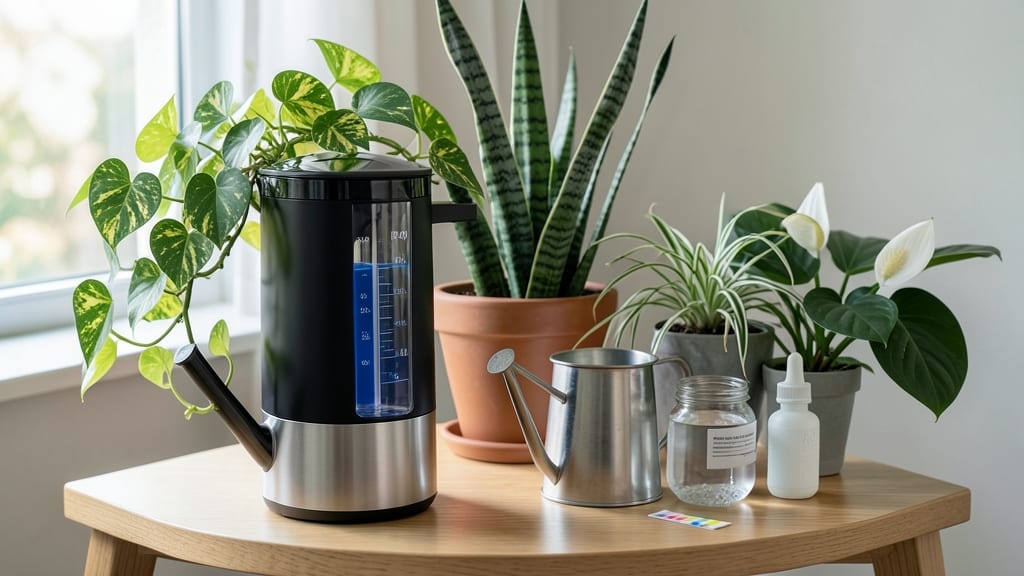
Using RO water for plants can harm growth because it lacks essential minerals like calcium, magnesium, and potassium that plants need to thrive. Mixing it with a small amount of tap water or fertilizer helps prevent nutrient deficiencies.
Reverse osmosis (RO) water strips away minerals that plants rely on for healthy development.
Without these key nutrients, roots struggle to absorb moisture efficiently, leading to stunted growth or yellowing leaves. 🌱 For container plants or hydroponic setups, I recommend diluting RO water with a mineral supplement or rainwater to recreate a more balanced environment.
Even a 10% mix with tap water can make a noticeable difference in plant vitality.
What's surprising is how quickly plants adapt—or fail—to their water source. Some tropical varieties like ferns actually prefer softer water, while citrus trees may show signs of distress within weeks if deprived of calcium. Always monitor your plants' response and adjust their watering routine accordingly.
💡 In This Article
- How RO Water Affects Plant pH and Mineral Balance
- Safe Ways to Use RO Water for Houseplants and Gardens
How RO water affects plant pH and mineral balance
Reverse osmosis water is essentially demineralized, meaning it lacks the calcium, magnesium, and potassium that plants naturally absorb from tap water. These minerals aren't just passive elements—they play critical roles in plant physiology. Calcium, for example, strengthens cell walls, while magnesium is essential for chlorophyll production.
When RO water is used exclusively, plants often exhibit signs of deficiency within 4-6 weeks, such as yellowing between leaf veins (a classic magnesium deficiency symptom) or stunted growth due to poor root development.
The pH of RO water typically sits around 7.0 (neutral), but its lack of dissolved minerals disrupts soil chemistry over time. In natural soil, minerals act as buffers, helping maintain a stable pH range (usually 6.0-7.5 for most plants).
Without these buffers, RO water can leach nutrients from the soil, making them unavailable to roots.
This is especially problematic for container-grown plants, where nutrient reserves are limited. 🌱 For instance, a potted tomato plant may show blossom-end rot—a calcium deficiency—if consistently watered with RO water, even if the soil appears moist.
What makes this tricky is that plants can't tell the difference between "good" and "bad" water—they simply react to what's available. Without essential minerals, roots struggle to maintain proper osmotic pressure, which affects their ability to absorb water and nutrients.
This creates a vicious cycle: the plant becomes thirsty, you water it more, but the excess water flushes out remaining nutrients faster. Over time, even the hardiest plants like succulents or herbs can show signs of distress, such as brittle stems or curled leaves.
One surprising factor is how RO water interacts with different soil types. Sandy soils, which drain quickly, lose nutrients faster than clay soils when watered with RO water. This is because clay particles hold onto minerals through electrostatic charges, while sand offers little resistance.
For gardeners using raised beds or containers, this means monitoring soil composition becomes just as important as water quality. A simple soil test can reveal whether your plants are getting the minerals they need—or if you're accidentally creating a nutrient desert.
Even plants that thrive in acidic conditions, like blueberries or hydrangeas, can suffer if their water lacks trace minerals. While these plants prefer lower pH levels, they still require micronutrients like iron and zinc for metabolic processes.
RO water won't raise the pH, but its lack of minerals can limit the plant's ability to utilize whatever acidity is present in the soil. This is why many gardeners who switch to RO water find their acid-loving plants suddenly need more frequent fertilizing to maintain vigor.
For those who rely on RO water due to hard water issues at home, the key is understanding that plants don't just need water—they need a balanced solution. The mineral content in tap water isn't just beneficial; it's often essential for long-term plant health.
Without it, even the most careful watering routine can lead to hidden deficiencies that manifest slowly but surely. 💧