
Plants
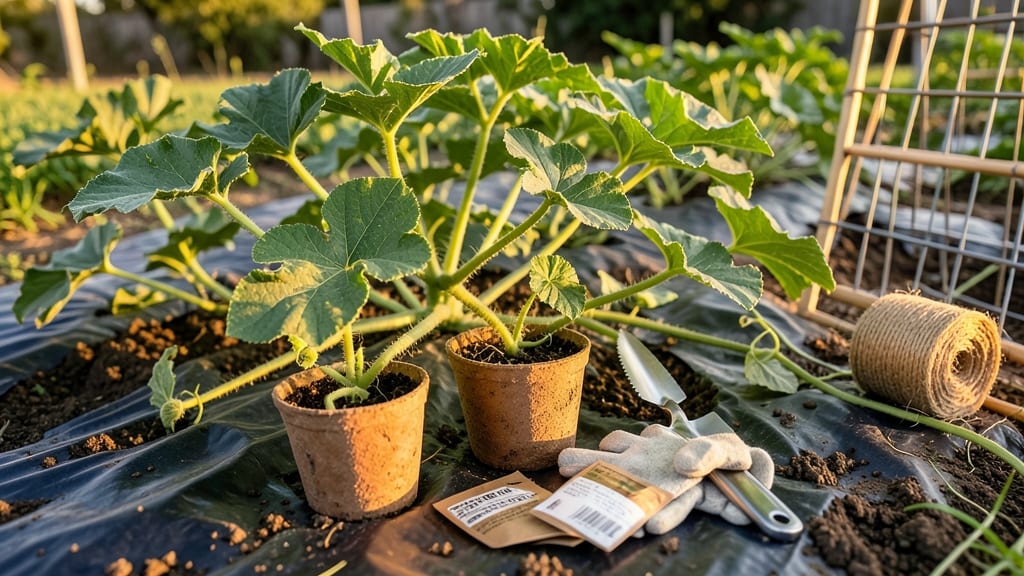
Watermelon in Florida thrives when planted after the last frost date, typically between mid-March and early April for most regions, but timing varies by county.
Picture this: you’ve prepped your soil, chosen the sweetest seed variety, and then—BAM—a late frost or a heatwave ruins your crop. Florida’s warm climate tricks many into planting too early, only to watch their vines struggle or bolt. The key? Soil temperature matters more than the calendar.
In North Florida (Zones 7b-8a), wait until soil hits 70°F—usually late March—while South Florida (Zones 9b-11) can start as early as February. Transplants give you a head start, but seeds sown directly after warming ensure stronger roots.
Below, I’ll break down the exact frost-free dates by county, the best varieties for Florida’s heat, and how to stretch your harvest from summer through fall without risking frost or storms.
Florida watermelon planting calendar: frost-free dates by county for optimal growth
Florida’s USDA hardiness zones 8-11 create ideal conditions for watermelon, but timing varies dramatically by region. In North Florida (zones 8A-8B), frost risk lingers until mid-March, while South Florida (zone 11) enjoys frost-free winters.
The key? Planting when soil temperatures hit 70°F+—critical for germination and vine growth. Without this, seeds rot, and your crop stalls.
Most Florida gardeners focus on spring and fall plantings, but staggered sowing every 2-3 weeks extends harvests. Early varieties like 'Sugar Baby' mature in 70 days, while heat-tolerant types like 'Charleston Gray' thrive in 90+°F summers.
Below, I’ve mapped out county-specific windows based on 30-year frost averages—because even Florida gets chilly!
| Region | USDA Zone | Last Frost Avg. | Ideal Planting Window | Soil Temp. Requirement | Notes |
|---|---|---|---|---|---|
| North Florida (e.g., Jacksonville, Gainesville) | 8A-8B | Mid-March | Early April–May 15 | 70°F+ | Use black plastic mulch for warmth |
| Central Florida (e.g., Orlando, Tampa) | 9A-9B | Late February | March 1–April 30 | 65°F+ | Fall planting possible until Sept 1 |
| South Florida (e.g., Miami, Fort Lauderdale) | 10A-11 | None | Year-round (peak: Jan–June) | 60°F+ | Watch for hurricane season (June–Nov) |
| Panhandle (e.g., Pensacola, Tallahassee) | 8A-8B | Late March | April 15–June 1 | 75°F+ | Drought-prone; mulch heavily |
For North Florida, I recommend starting seeds indoors in late February under grow lights, then transplanting after the last frost.
In Central Florida, direct-sow seeds in March for summer harvests or September for fall crops. South Florida gardeners can plant anytime, but aim for January–April to avoid hurricane season disruptions.
Soil temperature is non-negotiable: watermelon seeds won’t germinate below 60°F, and vines stunt under 70°F. Use a soil thermometer—planting too early is a common mistake.
In cooler zones, warm soil with black plastic mulch or row covers to speed up germination. Pro tip: Stagger plantings every 2 weeks for a continuous harvest.
Adjust for early vs. late varieties: 'Black Diamond' (80 days) thrives in spring, while 'Crimson Sweet' (85 days) handles summer heat. In South Florida, 'Sugar Baby' (70 days) is perfect for winter plantings.
Always check your county’s frost history—some years, North Florida sees frost as late as April!
Watch for hurricane season (June–November) in coastal areas. If a storm hits, harvest ripe melons immediately—vines can’t handle wind damage. In drought-prone regions like the Panhandle, mulch heavily to retain moisture. And remember: Watermelons need space—plant 3–4 feet apart for optimal vine growth.
For container gardening, use 5-gallon pots and plant one vine per container. In raised beds, ensure 6+ inches of soil depth and full sun exposure.
Always test soil pH (ideal: 6.0–6.8) and amend with compost for nutrient-rich growth. With the right timing, Florida watermelons can yield 20–30 pounds per vine!
Need a quick reference? Bookmark this schedule: North Florida = April, Central Florida = March–April, South Florida = Year-round. Happy planting—your sweet, juicy rewards are worth the wait! 🌱
5 Pro tips to extend your Florida watermelon season without risking frost damage
Florida’s warm climate lets us grow watermelons almost year-round, but even here, unexpected frosts can strike—especially in North Florida or during hurricane season. The key to a continuous harvest?
Smart planning. I’ve grown watermelons in Central Florida for years, and these 5 pro tips will help you avoid frost damage while maximizing your yield.
First, choose cold-hardy varieties like 'Crimson Sweet' or 'Sugar Baby', which tolerate cooler soils better than heat-sensitive types. Pair this with staggered planting—sow seeds every 2-3 weeks from mid-February to June—to ensure a steady supply. This way, even if one batch struggles, others thrive.
Black plastic mulch is my secret weapon for warming soil quickly. Lay it down 2-3 weeks before planting to raise soil temps by 10-15°F, giving seeds a head start. For extra protection, use floating row covers in early spring or late fall. Just remember to remove them during pollination (when flowers appear) to avoid interfering with bees.
- 1 Plant 'Crimson Sweet' in February—its 70-day maturity avoids summer heat while escaping early frosts. Soil temp must reach 70°F+ for germination.
- 2 Avoid Memorial Day planting—hurricane risks spike then. Instead, plant late June for fall harvests to miss storm season while still beating winter chills.
- 3 Use black plastic mulch to warm soil 10-15°F faster. Remove it when vines spread to prevent overheating roots.
- 4 Stagger plantings every 2 weeks from February to June. This ensures continuous harvests even if one batch fails.
- 5 Monitor weather alerts—use row covers for North Florida in March/April when temps dip below 50°F.
Timing is critical—plant too early, and you risk soil-borne diseases from lingering moisture. Plant too late, and you’ll miss the sweetest harvests before summer heat sets in.
I’ve seen 'Sugar Baby' melons thrive when planted in late February, yielding ripe fruit by May, while 'Charleston Gray' planted in June produces through October.
Finally, mulch heavily with straw or grass clippings to retain moisture and suppress weeds. This is especially important during Florida’s dry spells, which can stress young plants. Pair this with drip irrigation to deliver water directly to roots, reducing fungal risks from overhead watering.
With these strategies, you’ll enjoy watermelons from spring to fall—no frost worries! Just remember: soil temperature > air temperature for watermelon success. Use a soil thermometer to confirm it’s 70°F+ before planting.