
Plants
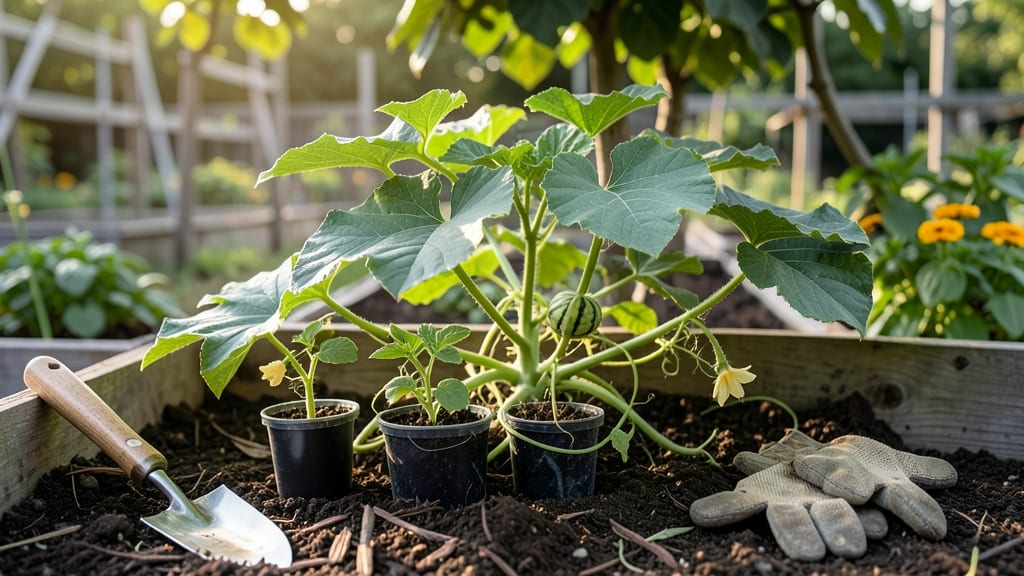
Plant watermelon in Texas between mid-March and mid-June for spring harvests, or late July to early August for fall crops—timing this right means the difference between sweet, juicy 🍉 fruit and bitter, stunted vines.
If you’ve ever watched your watermelon vines wilt under a late frost or bolt in the sweltering Texas heat, you know how critical the planting window is. The key?
Waiting until the soil hits 70°F and all frost risk has passed—especially in North Texas’s 8a-10b zones, where a single cold snap can ruin weeks of work.
This guide breaks down the exact dates by region, from the Gulf Coast’s early starts to the Hill Country’s delayed springs, plus tricks to speed up growth in Texas’s brutal summer heat.
You’ll learn which varieties thrive fastest in your zone, how to prep soil for 60-90 days to harvest, and when to mulch or shade your plants to keep them productive—no more guessing, just proven results.
Best planting dates for watermelon in Texas by USDA zone
Texas spans USDA Zones 8a to 10b, meaning your last frost dates can vary wildly—from mid-February in North Texas to January in South Texas. Watermelons thrive in warm soil (70°F+) and need 120-140 frost-free days to mature.
Planting too early risks frost damage, while waiting too late may lead to bolting or poor fruit quality in extreme heat.
For North Texas (Zones 8a-8b), aim for mid-April to early May after soil warms. In Central Texas (Zones 8b-9a), you can start as early as late March, while South Texas (Zones 9b-10b) gardeners enjoy a longer window from February to early June.
Fall plantings are also possible in cooler regions (late July–early August).
🌱
| Region | USDA Zone | Last Frost Date | Best Planting Window | Soil Temp Requirement | Notes |
|---|---|---|---|---|---|
| North Texas | 8a-8b | Mid-February | Mid-April to early May | 70°F+ | Use black plastic mulch to warm soil faster |
| Central Texas | 8b-9a | Late January | Late March to early June | 70°F+ | Fall planting possible in late July |
| South Texas | 9b-10b | January 1 | February to early June | 65°F+ (earlier starts) | Longer growing season; shade cloth helps in peak summer |
In North Texas, where last frosts average mid-February, wait until mid-April to plant watermelon seeds directly into the garden. Use black plastic mulch to raise soil temperatures quickly—this can shave off 2-3 weeks of waiting time.
For Central Texas, where winters are milder, you can start as early as late March, but avoid planting before soil reaches 70°F to prevent stunted growth.
South Texas gardeners have the advantage of earlier starts (as early as February) and longer harvest windows. However, peak summer heat (above 95°F) can stress plants, so consider shade cloth or drip irrigation to maintain moisture.
For fall plantings in North and Central Texas, aim for late July to early August to ensure harvest before the first frost.
🌡️
Always check local microclimates—areas near lakes or urban heat islands may have earlier last frosts or warmer soil than average. For example, Austin’s urban areas can be 5-10°F warmer than rural zones, allowing for earlier planting. Use a soil thermometer to confirm readiness—70°F+ is non-negotiable for germination.
Pro tip: Start seeds indoors 2-3 weeks before your outdoor planting window if using transplants. Seedlings thrive in biodegradable pots and can be moved outside once soil is warm. Harden them off for 5-7 days before transplanting to avoid shock.
✂️
If you’re in a transition zone (like East Texas), consider row covers for early plantings to protect against late frosts. Watermelons are heat-loving but can suffer from blossom drop if temperatures exceed 90°F for extended periods.
Choose heat-tolerant varieties like ‘Sugar Baby’ or ‘Crimson Sweet’ for better success in hotter regions.
Finally, remember that Texas’ unpredictable weather means flexibility is key. Keep an eye on 10-day forecasts and adjust your planting schedule if unseasonable cold snaps are predicted.
How to adjust planting time for faster growth in Texas heat
Texas’ intense summer heat can turn your watermelon plants into stressed, bitter-producing vines if you don’t adjust your planting strategy. The key to faster growth lies in timing—plant too early, and frost or slow soil warming stalls development; too late, and heat stress reduces yields.
Here’s how to fine-tune your schedule for maximum success in Texas’ USDA Zones 8a-10b.
Start by transplanting seedlings instead of direct-sowing in cooler regions like North Texas. Seedlings thrive when soil temperatures hit 70°F (21°C), which typically occurs by mid-April in most areas.
For South Texas, where heat arrives early, you can direct-sow as soon as March 15—but use black plastic mulch to warm the soil faster and prevent bolting (premature flowering).
numbered-highlights
- 1
- 2
- 3
- 4
One of the biggest mistakes gardeners make is ignoring soil temperature. Watermelons won’t germinate below 60°F (15°C), and slow starts lead to smaller fruits. Use a soil thermometer to confirm readiness—wait until temps consistently hit 75°F (24°C) before planting.
In Central Texas, this usually aligns with late April to early May.
Avoid planting watermelons in June or July unless you’re in South Texas’ Zone 10b. The 100°F+ heat causes bitter fruit and stunted vines. Instead, opt for shade cloth (30-50%) during the hottest afternoons if you must plant late.
Pair this with drip irrigation to keep roots cool and moisture consistent.
For extended growing seasons, try fall planting in North Texas. Sow seeds by July 15 for a harvest before first frost (typically December 1). Use row covers in late September to protect young plants from unexpected cold snaps, which can delay maturity.
This strategy works best with fast-maturing varieties like ‘Black Diamond’ (65 days).
Finally, prune excess vines to focus energy on fruit production. Remove side shoots (suckers) that form below the first 6 inches of the main vine—this speeds up ripening by reducing competition for nutrients. Pair this with weekly fertilization (10-10-10) during flowering to boost sweetness and size.
With these adjustments, you’ll double your yield and enjoy sweeter, larger watermelons—even in Texas’ brutal heat. Start small, monitor soil temps, and don’t hesitate to experiment with fall plantings for a second harvest! 🌱🍉