I spent my childhood summers digging in my grandfather’s vegetable garden in upstate New York, learning that patience and a little dirt under your nails were the real ingredients for a good harvest. Now, I’m here to share the lessons I’ve picked up over the years—whether it’s the best time to water your tomatoes, how to coax life from stubborn seeds, or why some plants just refuse to behave. This site is for anyone who’s ever wondered how to make their green thumb a little greener, with practical tips and a healthy dose of humor for the inevitable plant disasters along the way.
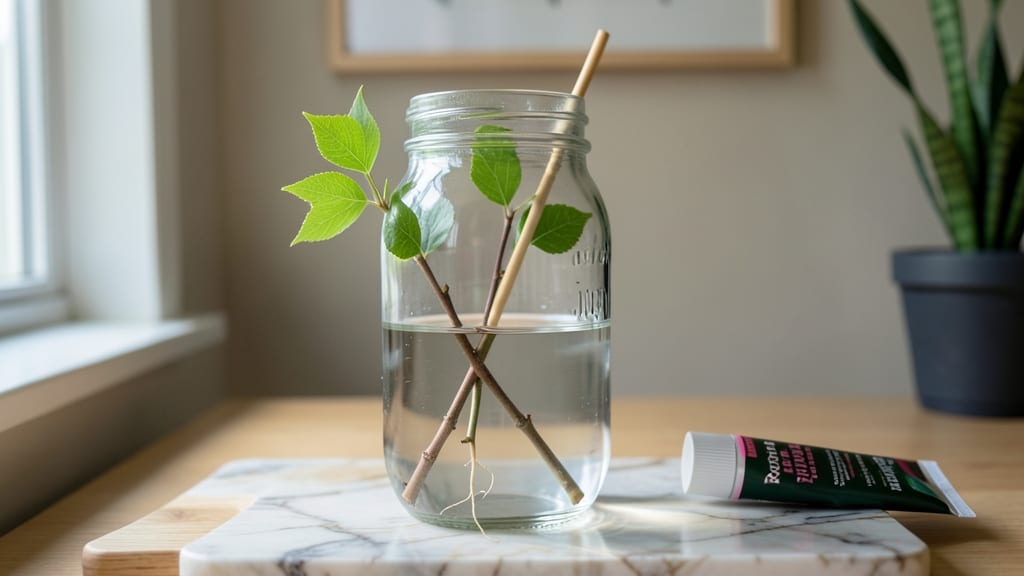
💥 Quick Answer Yes, dogwood cuttings can root in water with a 50-70% success rate, though slower than in soil. Use 4-6 inch semi-hardwood stems, change water every 2-3 days, and place in bright, indirect light for best…
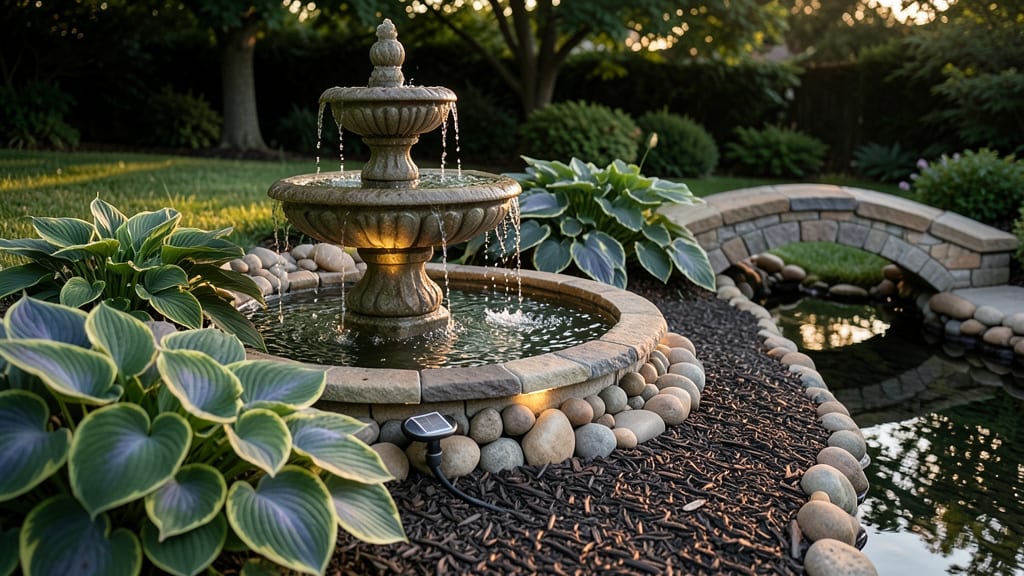
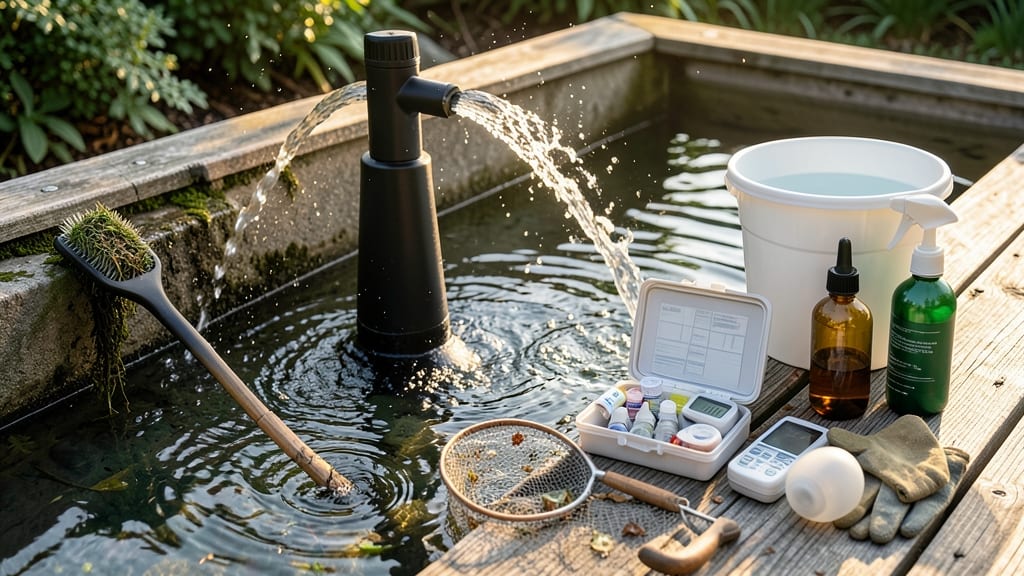
💥 Quick Answer To maintain clean garden fountain water, perform daily debris removal, change the water weekly, and use fountain-safe algaecide or diluted hydrogen peroxide to prevent cloudiness. Limit plant density in…
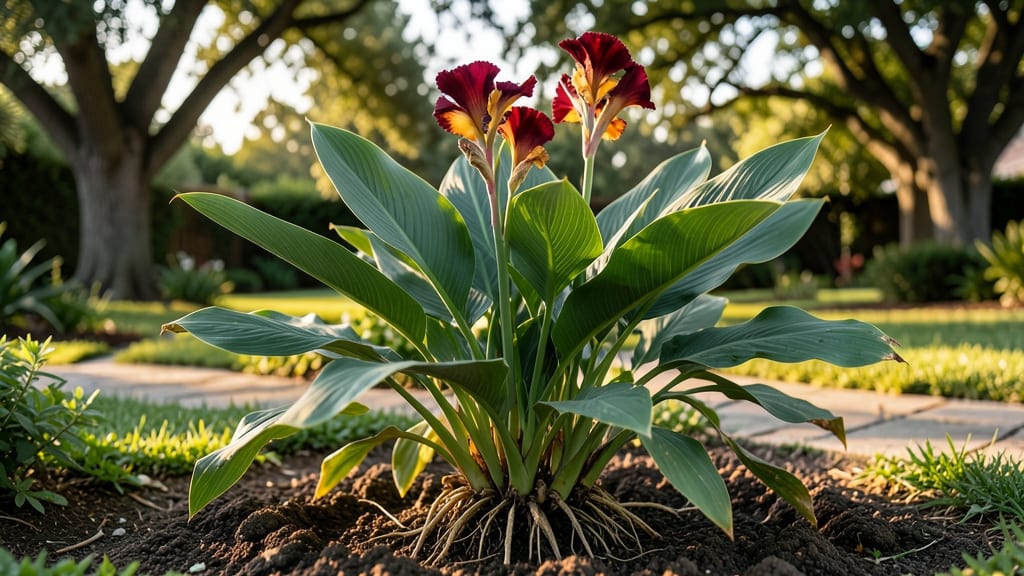
💥 Quick Answer Growing cannas in water requires large, shallow containers with clean water and proper rhizome placement, combined with bright indirect light and weekly water changes to prevent bacterial growth. This…
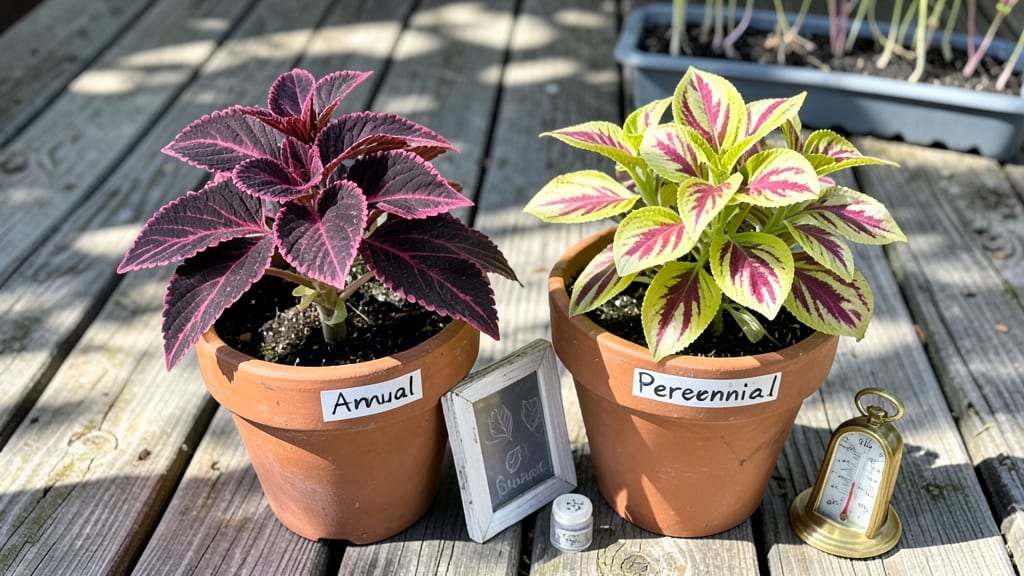
💥 Quick Answer Whether coleus is annual or perennial depends on your climate: it dies back completely in cold winters but regrows from roots in frost-free zones. This frost-tender plant acts like a perennial only when…
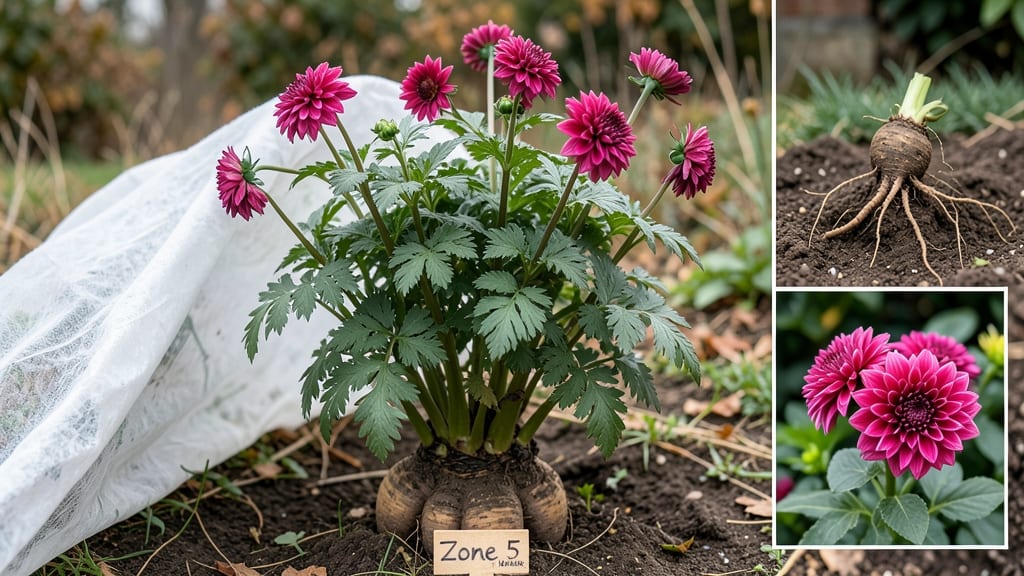
💥 Quick Answer Dahlias aren't true perennials in Zone 5—they die back to the ground each winter but require careful overwintering to survive and regrow annually. Their tubers must be dug up, stored, and replanted each…
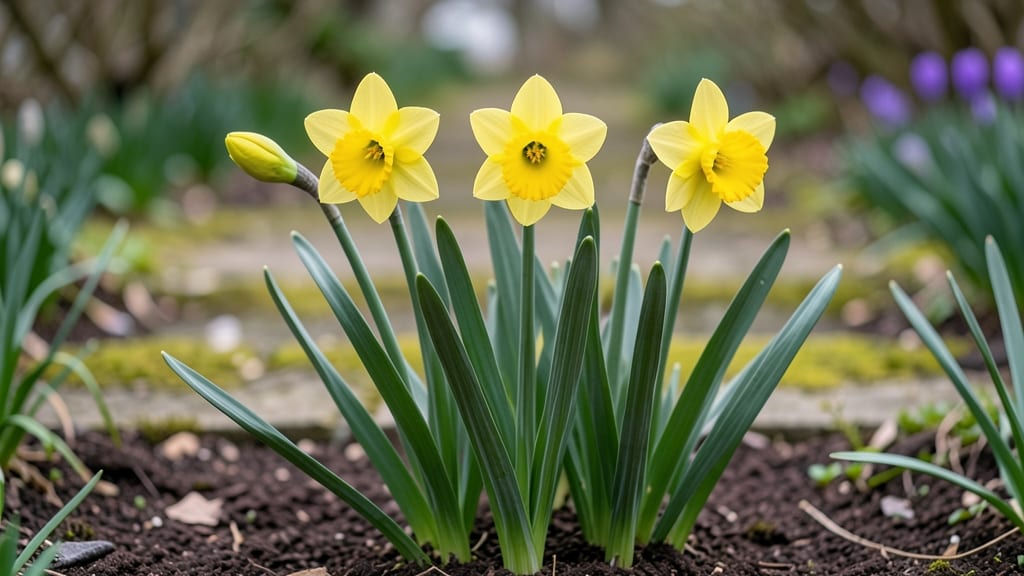
💥 Quick Answer Daffodils are perennials that return yearly, dying back to the ground in summer but storing energy in their bulbs for spring regrowth. Their hardy nature ensures they thrive across multiple seasons with…
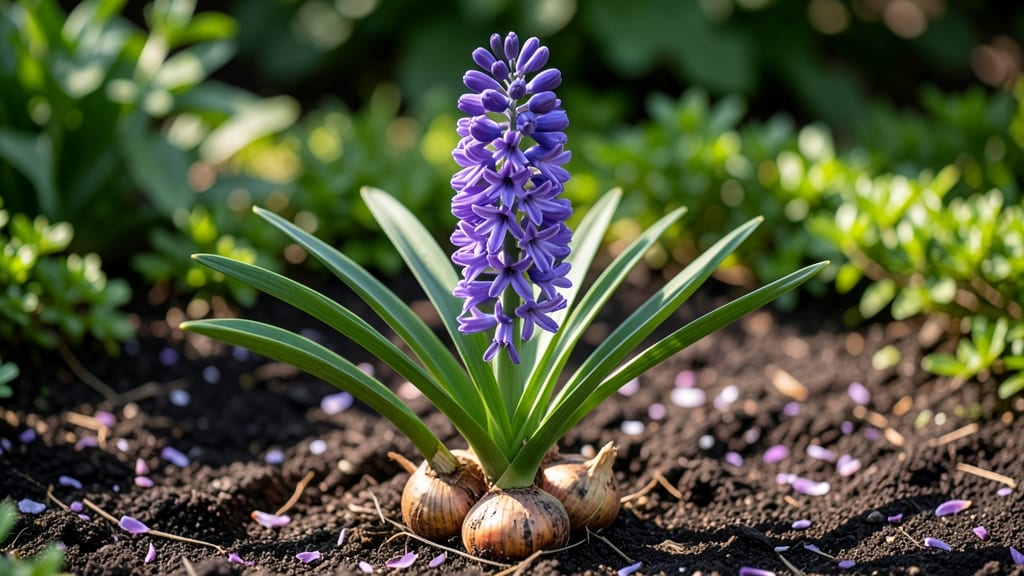
💥 Quick Answer Yes, hyacinths are perennials that return each spring from the same underground bulb, provided they receive proper care and winter protection in zones 3-9. Hyacinths aren't like annuals that sprout…
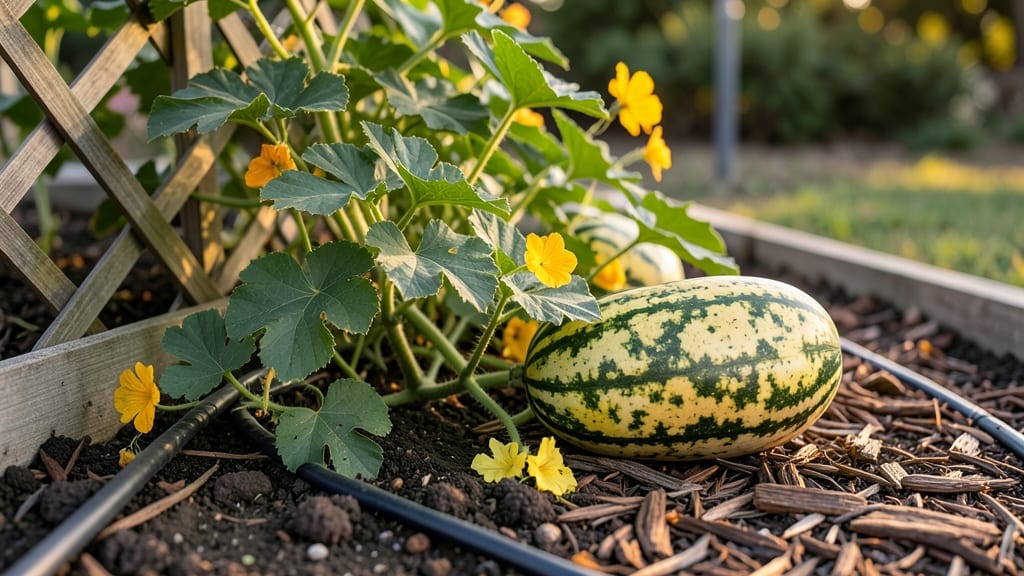
💥 Quick Answer To grow seedless watermelons, farmers use triploid seeds created by pollinating diploid watermelon plants with pollen from specialized hybrid varieties, producing fruit without viable seeds while…
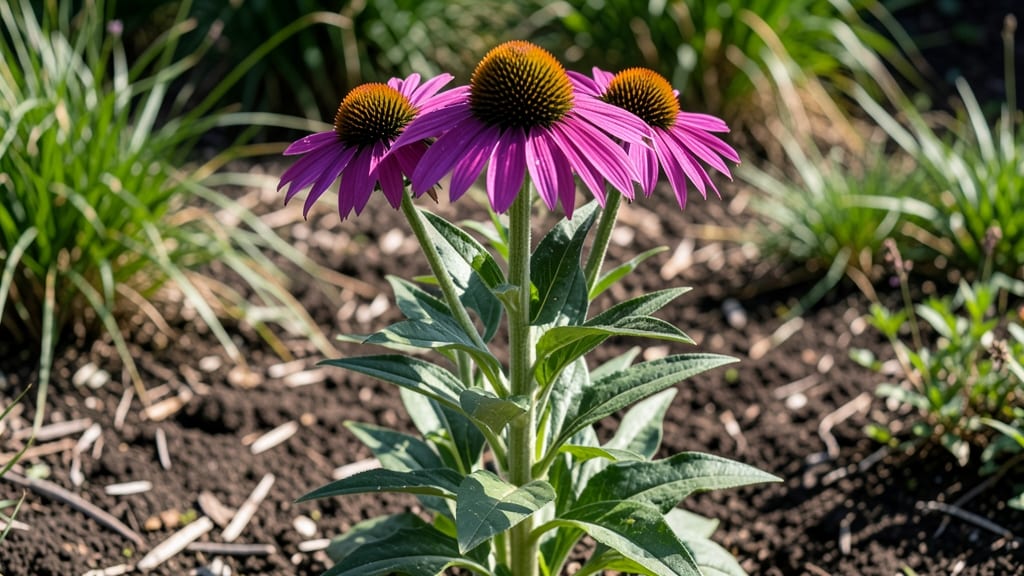
💥 Quick Answer Yes, echinacea is a perennial plant that thrives year after year with minimal care, growing best in USDA hardiness zones 3-9. Its deep taproot system and winter hardiness allow it to regrow each spring…
💥 Quick Answer To keep fountain water clean, perform weekly maintenance by removing debris with a net, applying water clarifiers or hydrogen peroxide to prevent algae growth, and replacing 25% of the water monthly while…